
As the Georgia growing season enters its late stages, the spotlight remains on crop performance and the logistical capacity of the state's transportation network. Following reports of significant yield markers in recent soybean trials, growers across the region are focusing on final crop management strategies. These developments in yield potential are occurring alongside a broader trend of increased trade activity, with Georgia ports recently hitting nearly $50 billion in trade volume, underscoring the vital role of the state's export infrastructure for regional grain buyers and sellers.
Infrastructure and Export Momentum
Efficient movement of goods remains a priority for agribusinesses as harvest activities begin to ramp up in parts of the state. The continued strength of Georgia's port operations provides a reliable exit point for agricultural commodities, which is essential for maintaining liquidity in local markets. While global economic factors like inflation influence the purchasing power of the dollar, the physical flow of grain through highway corridors and toward maritime terminals continues to define the pace of regional trade.
Focus on Crop Innovation and Efficiency
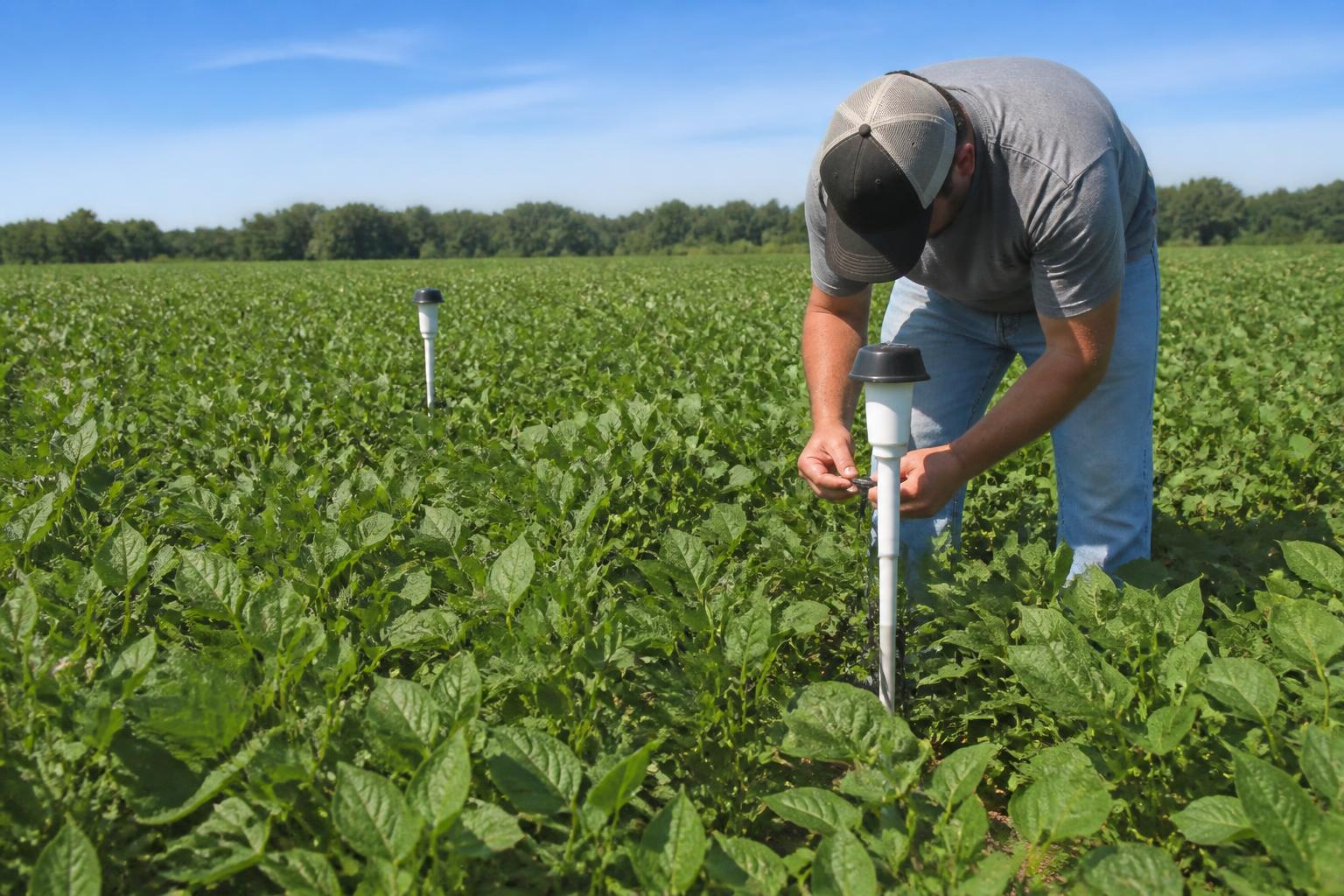
Beyond logistics, technological advancements are playing an increasing role in farm-level productivity. From the adoption of indeterminate soybean varieties that expand the footprint of Southeast production to the implementation of precision water management tools like soil-moisture sensors in nursery and field operations, Georgia producers are actively seeking ways to stabilize output. Furthermore, ongoing research into leaf spot-resistant peanut varieties and sustained efforts in regional pest management programs reflect a long-term commitment to crop health, which navigating infrastructure and seasonal flux requires as part of a successful annual strategy.
What it means for the market
For grain handlers and input buyers, the current environment suggests a high-stakes period of balancing record-breaking agronomic potential with the realities of transport logistics. As harvest nears, monitoring local elevator capacity and maintaining open communication with freight carriers will be critical for managing the anticipated volume. Market participants should stay alert to shifting trade route demands and the continued integration of yield-enhancing technology as these factors collectively set the tone for the upcoming market cycle.
Comments
No comments yet - be the first to share your take.