
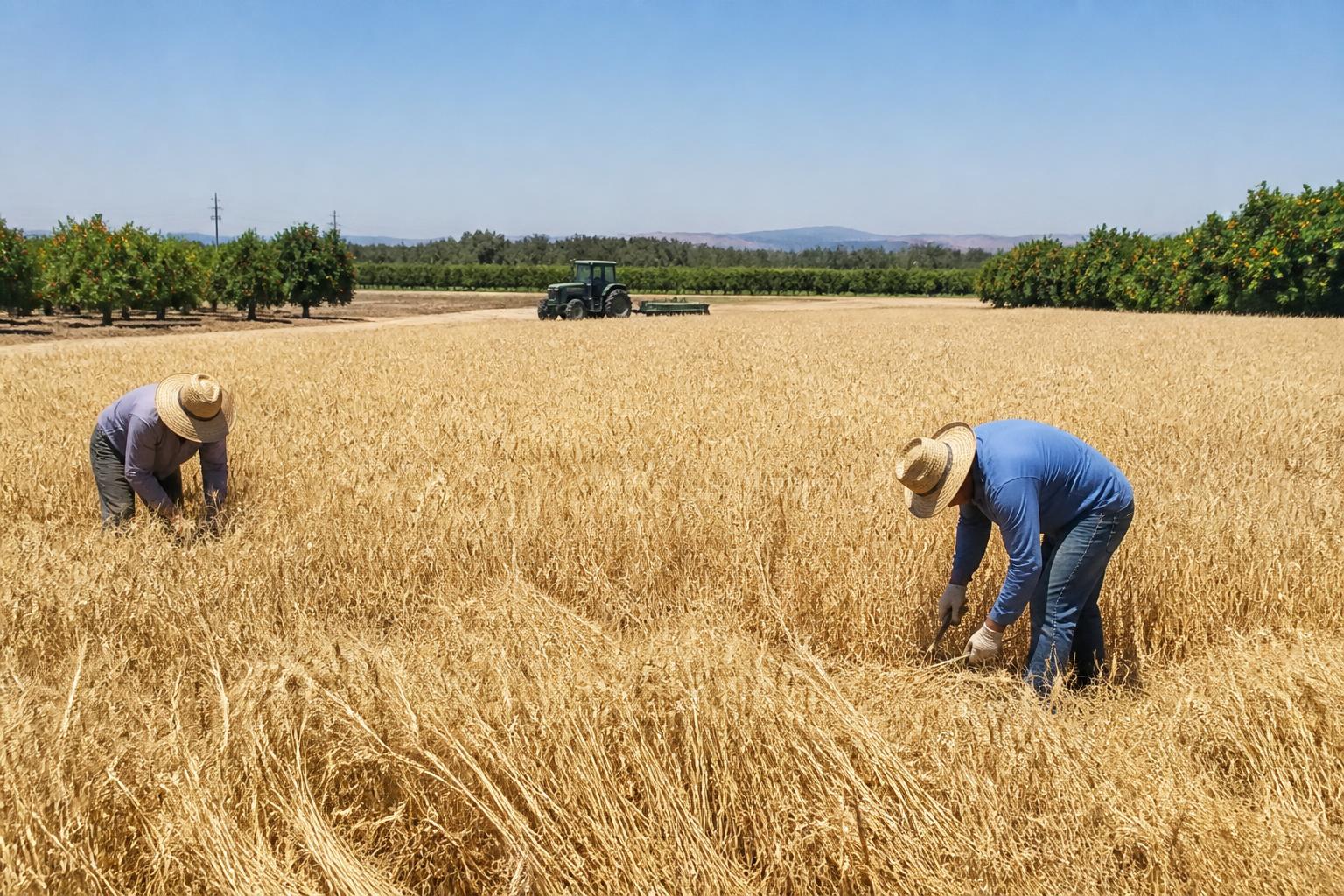
California's agribusiness landscape is entering a transformative period, defined by both technological advancement and the pressure to maintain operational efficiency. For growers, the focus on soil health innovation and input management has become central to long-term profitability. As the state grapples with evolving environmental standards, the adoption of specialized soil additives and precision application techniques is becoming a common strategy to mitigate volatility in input costs.
Market participants are observing that shifting regulatory frameworks may impact the availability and cost-structure of various crop inputs. Producers who are exploring supply constraints and market volatility are increasingly relying on long-term procurement planning. This proactive stance is particularly relevant as the industry assesses how to maintain productivity while balancing rising overheads and the logistical hurdles inherent in regional distribution.
The Role of Innovation in Input Management
Beyond traditional fertilizer application, the integration of new biostimulants and organic-aligned products is gaining traction. These tools, often supported by updated registration processes, provide producers with more options to address nutrient uptake efficiency. Understanding the shifts in the fertilizer market is essential for farm managers who must balance the immediate need for crop nutrition with the long-term goal of operational resilience.
What it means for the market
For California growers and agribusinesses, the current climate demands a shift toward precision and foresight. While the regulatory environment remains fluid, those prioritizing soil health and strategic input sourcing may find themselves better positioned to weather price fluctuations. As the industry evolves, keeping a close watch on product availability and emerging agricultural technologies will be key to sustaining harvest potential in major growing regions across the state.
Comments
No comments yet - be the first to share your take.