
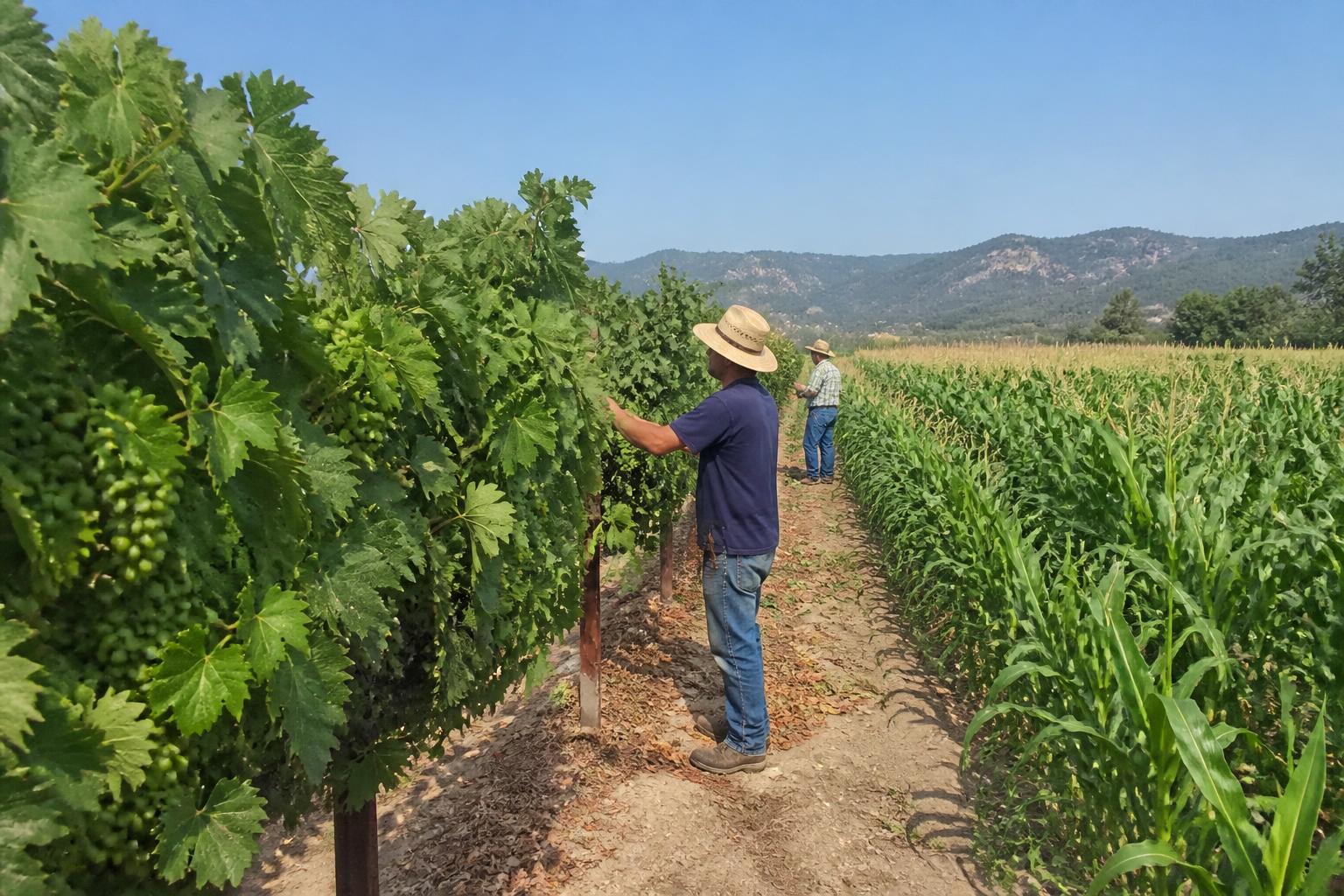
As California enters the peak of the summer season, producers are keeping a close eye on input markets. The agricultural landscape in the state remains sensitive to shifting supply chains, with recent developments in domestic fertilizer production and organic certification standards beginning to shape long-term procurement strategies.
For growers across the Central Valley and coastal regions, navigating these fluctuations is becoming a core part of operational management. As highlighted in our recent outlook on California producer cost management, the ability to adapt to pricing shifts is essential for maintaining margins amidst ongoing regional pressures.
Domestic Innovation and Fertilizer Sourcing
Investment in domestic fertilizer infrastructure continues to be a point of interest for U.S. agribusiness. In California, startups focused on localized, sustainable nitrogen production are gaining visibility, reflecting a broader trend toward regional resilience in input supply. These technological shifts are aimed at creating more predictable supply chains, potentially insulating producers from the volatility often seen in global chemical markets.
Simultaneously, the organic sector is seeing movement in product availability. Recent certifications for alternative soil health inputs, such as those granted to polyhalite-based fertilizers, offer growers new options for maintaining nutrient density without compromising organic compliance. This expansion is particularly relevant for high-value specialty crops where certification standards remain stringent.
Managing Input Challenges
Beyond material availability, the logistical reality of moving inputs through California transport corridors remains a persistent theme. Whether dealing with rail constraints or the timing of regional deliveries, understanding these bottlenecks is critical. Similar to the complexities noted in California's mid-summer harvest logistics, successful input management requires early communication with regional distributors and a clear understanding of current road and transit capacity.
As producers evaluate their needs for the next planting cycle, balancing new biological or organic-certified options with traditional inputs is a priority. Many agribusinesses are now prioritizing partnerships that offer technical support and consistent availability, moving away from reactive purchasing to proactive, seasonal planning.
For more on managing the intersection of operational needs and field health, see our latest coverage on crop protection and operational budgeting.
What it means for the market
The California fertilizer market is currently defined by a transition toward localized supply solutions and a deeper integration of organic-compliant inputs. While global supply chain risks remain a factor, the emergence of domestic production and refined product certifications provides producers with more diversified avenues for soil management. Growers should continue to prioritize early procurement and remain engaged with regional distributors to mitigate the impact of seasonal transportation bottlenecks and price volatility as the summer concludes.
Comments
No comments yet - be the first to share your take.