
Operational Adjustments in Alabama's Logistics Landscape
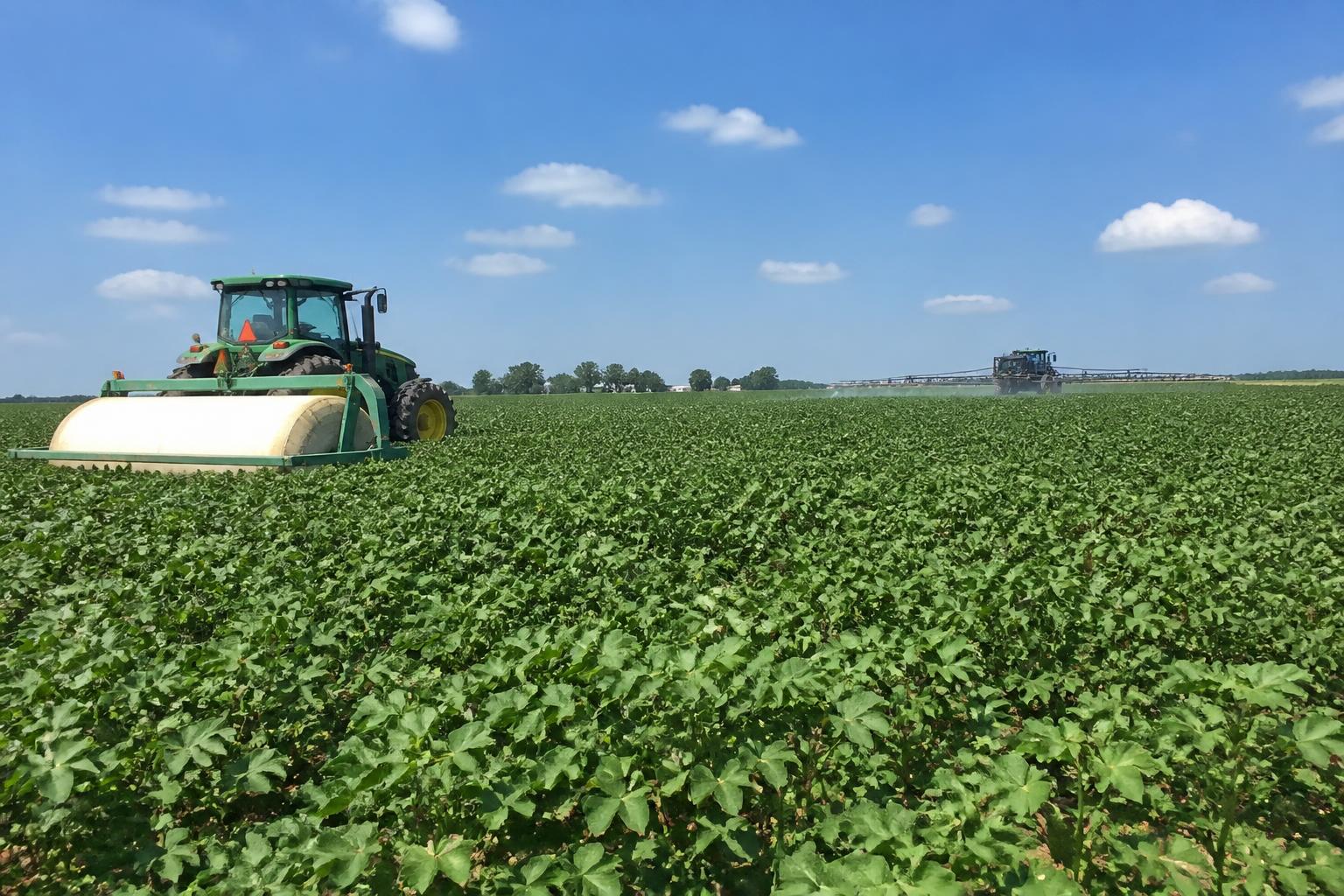
As we move through the heat of late August, Alabama's agricultural sector remains focused on optimizing field productivity while navigating a changing logistics environment. For many producers, the current season often necessitates a strategic approach to managing field traffic and equipment movement. Whether you are prepping for the final stages of the season or coordinating transport to local elevators, maintaining clear communication with your freight partners remains essential to mitigate potential delays in the supply chain.
Understanding the interplay between local operations and regional infrastructure is vital. Producers often find that monitoring local transportation corridors and seasonal weight restrictions can provide a competitive edge in getting goods to market efficiently. As regional dynamics continue to evolve, staying informed on field challenges and crop management strategies helps ensure that farm-to-market workflows remain fluid even when unexpected operational pressures arise.
Managing Market Uncertainty and Efficiency
The current agricultural climate requires a proactive stance, particularly when it comes to balancing input costs with fluctuating output demand. Research and data-driven insights from the Alabama agricultural community underscore that efficiency is the primary driver of profitability this season. Small shifts in facility operations or regional transportation capacity can have ripple effects throughout the local supply chain, emphasizing the need for contingency planning among grain handlers and transport carriers alike.
While global market factors sometimes grab headlines, the reality for Alabama growers is often determined by the logistics directly outside the gate. Streamlining your load-out schedule during these high-activity months can help you avoid bottlenecks at regional hubs, allowing for a more predictable and controlled harvest season.
What it means for the market
For Alabama farmers, the takeaway is clear: prioritize logistical agility this summer. By focusing on efficient field-to-storage cycles and maintaining strong relationships with local transport providers, agribusinesses can better shield themselves from broader market volatility. Keeping a close eye on regional traffic and facility updates will remain a critical component of successful season management throughout the coming weeks.
Comments
No comments yet - be the first to share your take.