
Protecting Yield Potential in the Heat of Summer
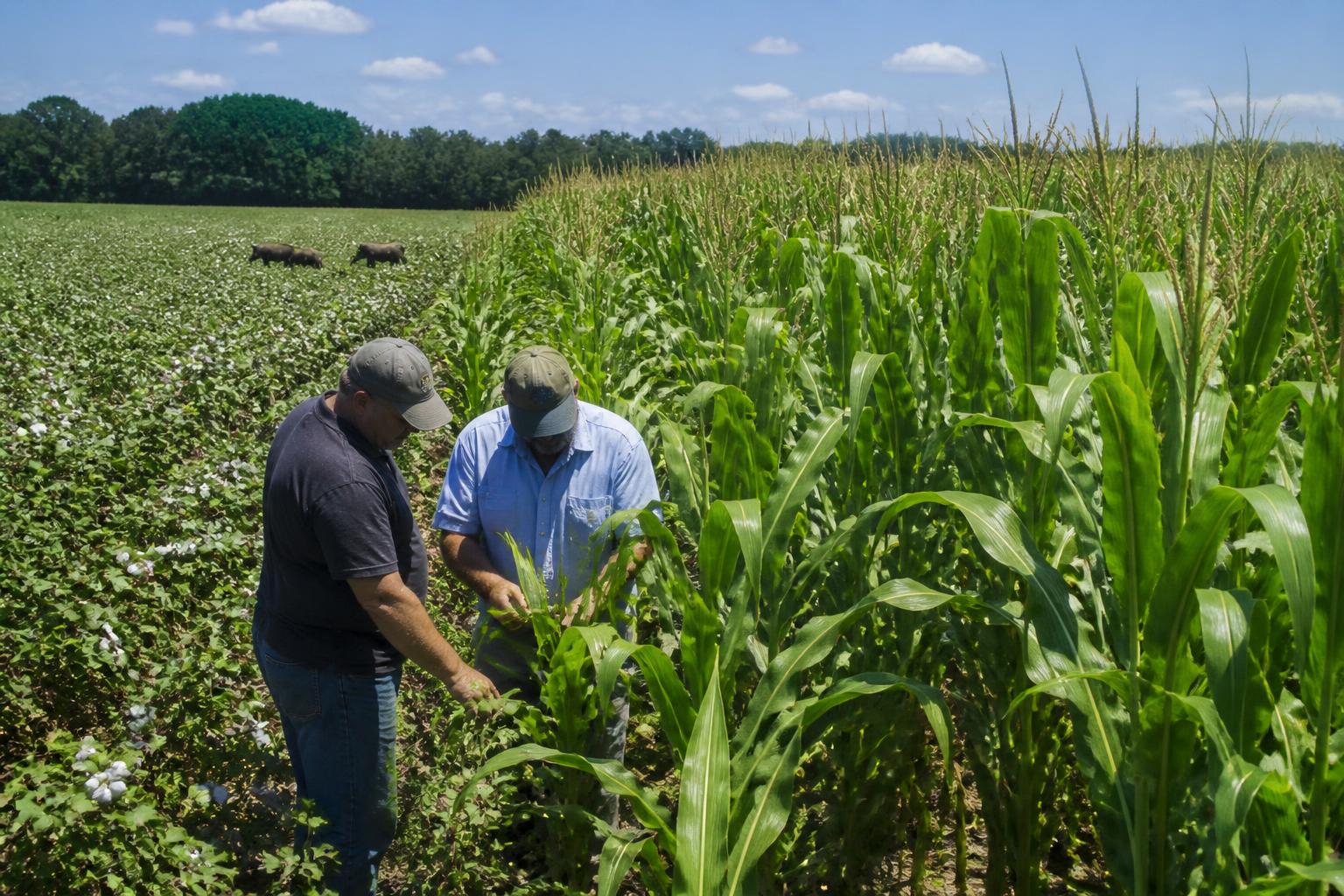
As Alabama producers move through the peak of the summer season, the focus remains on protecting crop potential from environmental and biological stressors. For corn and cotton growers, managing variables like plant population and timing has been critical in setting the stage for harvest. In many regions, excessive moisture remains a concern that can impact crop health, requiring close monitoring of field conditions to mitigate long-term damage to potential yields.
Mitigating Field Threats
Beyond weather-related challenges, farmers are finding it necessary to address the ongoing pressure from feral hogs. These pests present a consistent threat to local fields, potentially disrupting production cycles and lowering harvest efficiency. Recent USDA initiatives have provided additional funding to assist in these mitigation efforts, offering a much-needed tool for growers to protect their acreage during these vital summer months. Effectively controlling these populations is increasingly viewed as an essential component of maintaining overall farm-level profitability.
Logistics and Market Connectivity
Looking toward the logistics side of the business, agricultural leaders in Alabama continue to emphasize the importance of competitive and reliable transportation networks. The efficiency of grain movement relies heavily on fair market access for rail services, which remains a core issue for those handling grain and commodity distribution. Ensuring that producers have affordable, reliable options to transport their goods to processing facilities or ports is a recurring priority for the state's Alabama grain market operations and broader regional agribusiness interests.
What it means for the market
For the Alabama producer, the current landscape requires a dual strategy of immediate field management and long-term planning. By focusing on site-specific mitigation for pests and keeping a close eye on supply chain stability, growers can better navigate the volatility that defines the mid-summer season. As harvest approaches, maintaining pressure on logistically sound shipping solutions will remain vital to ensuring that local yields reach their intended markets without significant disruption.
Comments
No comments yet - be the first to share your take.