
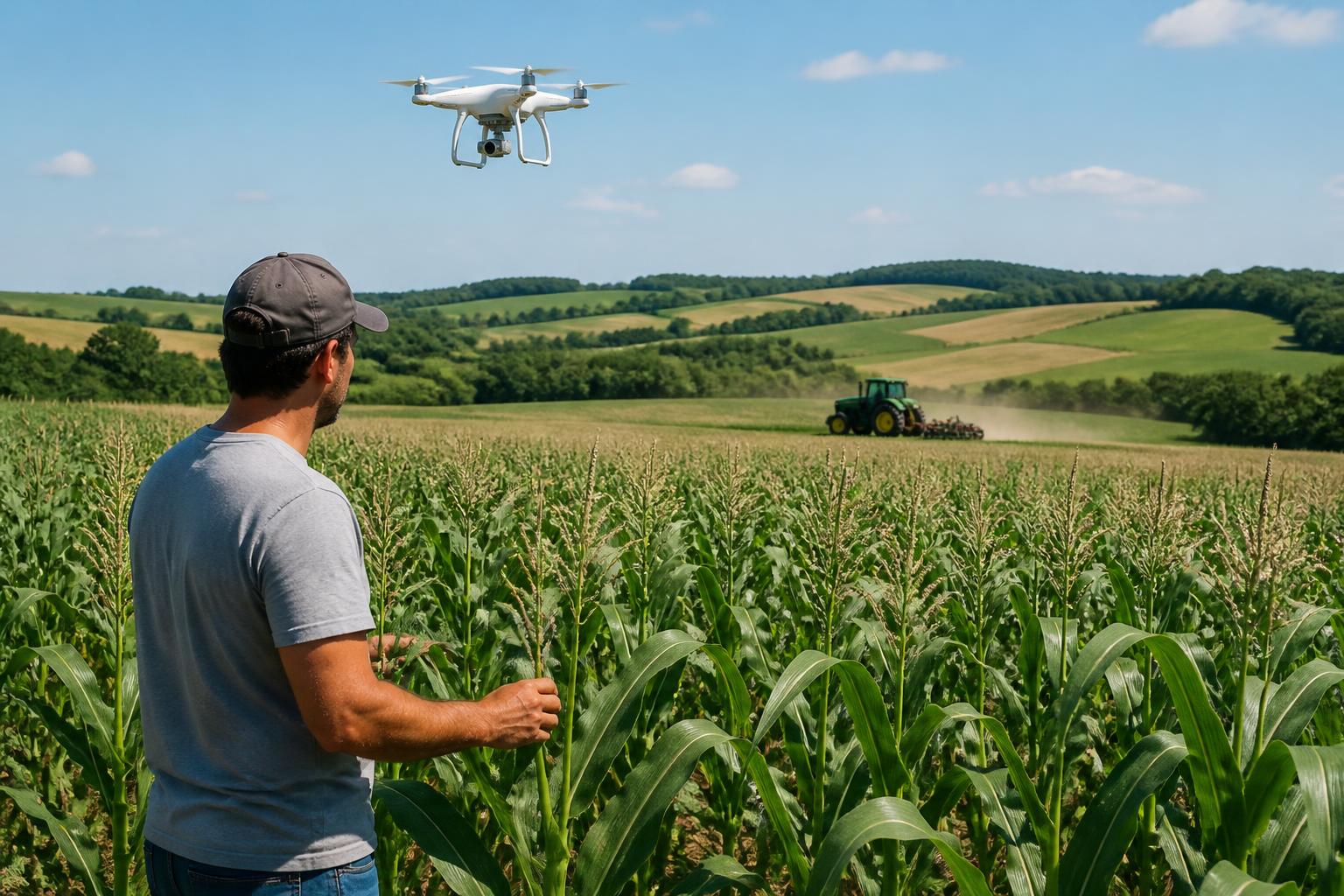
As we navigate the peak of late-summer agricultural activity in New Hampshire, the intersection of harvest demands and transportation logistics remains a focal point for the regional supply chain. With crops moving from farm gates to local processing hubs and retail outlets, the pressure on rural road networks often intensifies during this period. For producers throughout the Granite State, effectively managing these flows is essential to maintaining margins as transport costs and labor availability fluctuate.
Understanding the logistical nuances inherent to New Hampshire's late-summer harvest window requires a proactive approach to scheduling and route planning. Whether utilizing state corridors or navigating local municipal roads, agribusinesses are increasingly prioritizing efficiency to offset broader market variables. These operational strategies are particularly critical as the industry faces sustained pressures related to workforce stability and the logistical overhead of regional distribution.
Managing Resource Constraints
For many operators, the focus has shifted toward maximizing asset utilization. This is often driven by a need to mitigate the impact of labor shortages, which continue to affect various sectors within the state. While many agricultural businesses continue to work through these bottlenecks, the reliance on streamlined transit becomes even more pronounced when dealing with perishable goods that require timely movement from fields to end markets.
Infrastructure and Strategic Resilience
Beyond daily transport, long-term resilience remains a key consideration for New Hampshire’s agricultural community. Efforts to preserve farmland and improve infrastructure connectivity are viewed by many as vital steps toward insulating the local market against external shocks. As producers engage with conservation initiatives and regional development plans, the long-term goal is to build a more robust framework that can support consistent growth despite evolving environmental and economic pressures.
What it means for the market
For farmers and agribusinesses, the current environment underscores the importance of local supply chain agility. By optimizing transport routes and planning for seasonal labor variability, operators can better shield their bottom lines from the volatility currently impacting broader agricultural markets. Maintaining a focus on operational efficiency and infrastructure awareness will remain a strategic priority for stakeholders across New Hampshire through the remainder of the season.
Comments
No comments yet - be the first to share your take.