
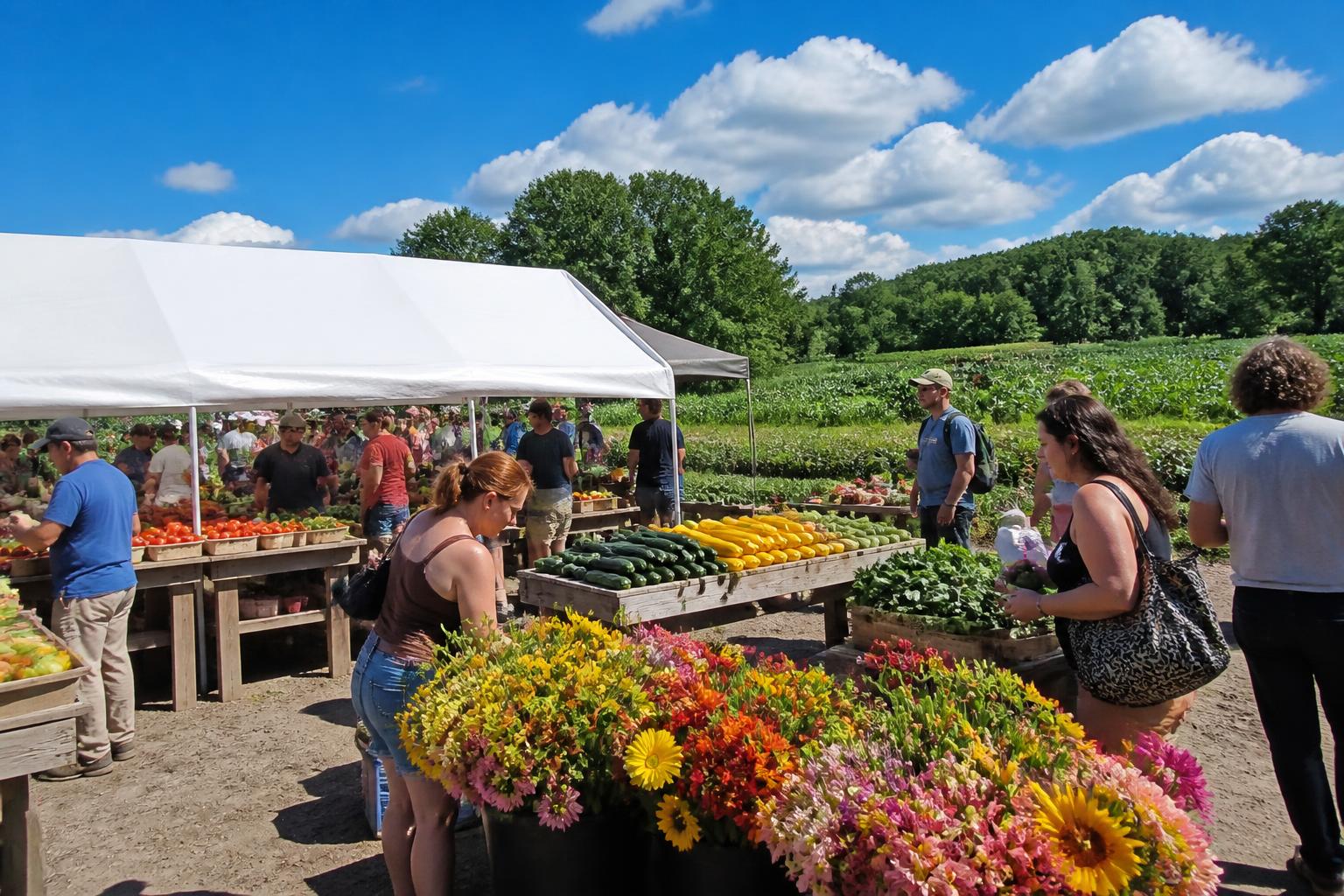
As we move through the heat of August, New Hampshire producers are deep into the rhythm of a busy summer harvest season. For many farm operations, especially those moving fresh produce from field to farm stands and regional distributors, this period is critical for maintaining product quality while managing the logistics of increased local traffic. Whether you are navigating the winding corridors toward Holderness or managing inventory distribution near the coastal hubs in Hampton Falls, the pressure to keep goods moving efficiently remains a top priority.
Refining Supply Chain Efficiency
Logistical fluidity in New Hampshire often depends on proactive communication between farmers, processors, and transport carriers. With the peak of summer activity putting increased pressure on regional road infrastructure, local agribusinesses are finding that small adjustments to routing and load management can lead to significant time savings. Maintaining a resilient local food supply often requires navigating these distribution challenges while keeping an eye on broader operational stability.
Managing Resource Constraints
Agribusinesses across the state continue to grapple with varying input costs and resource availability. As transport demands spike during harvest, many operators are re-evaluating their partnerships to ensure that fuel-intensive logistics do not compromise thin margins. Similar to broader efforts in addressing infrastructure and resource constraints, successful producers are increasingly relying on flexible local networks and collaborative transport solutions to keep their goods reaching markets promptly.
Key Takeaways for Producers
- Route Planning: Account for seasonal tourist traffic on rural arteries during late summer to minimize delays in product transit.
- Load Optimization: Prioritize full-truckload shipments where possible to reduce the per-unit cost of transportation.
- Network Cooperation: Engage with local cooperatives or neighboring farms to share transport resources and mitigate rising logistics expenses.
What it means for the market: For New Hampshire’s agricultural sector, the path forward remains tied to the efficiency of the supply chain. By prioritizing transparent communication with logistics partners and staying flexible with routing, producers can help insulate their operations from the seasonal volatility that often characterizes this busy time of year in the Granite State.
Comments
No comments yet - be the first to share your take.