
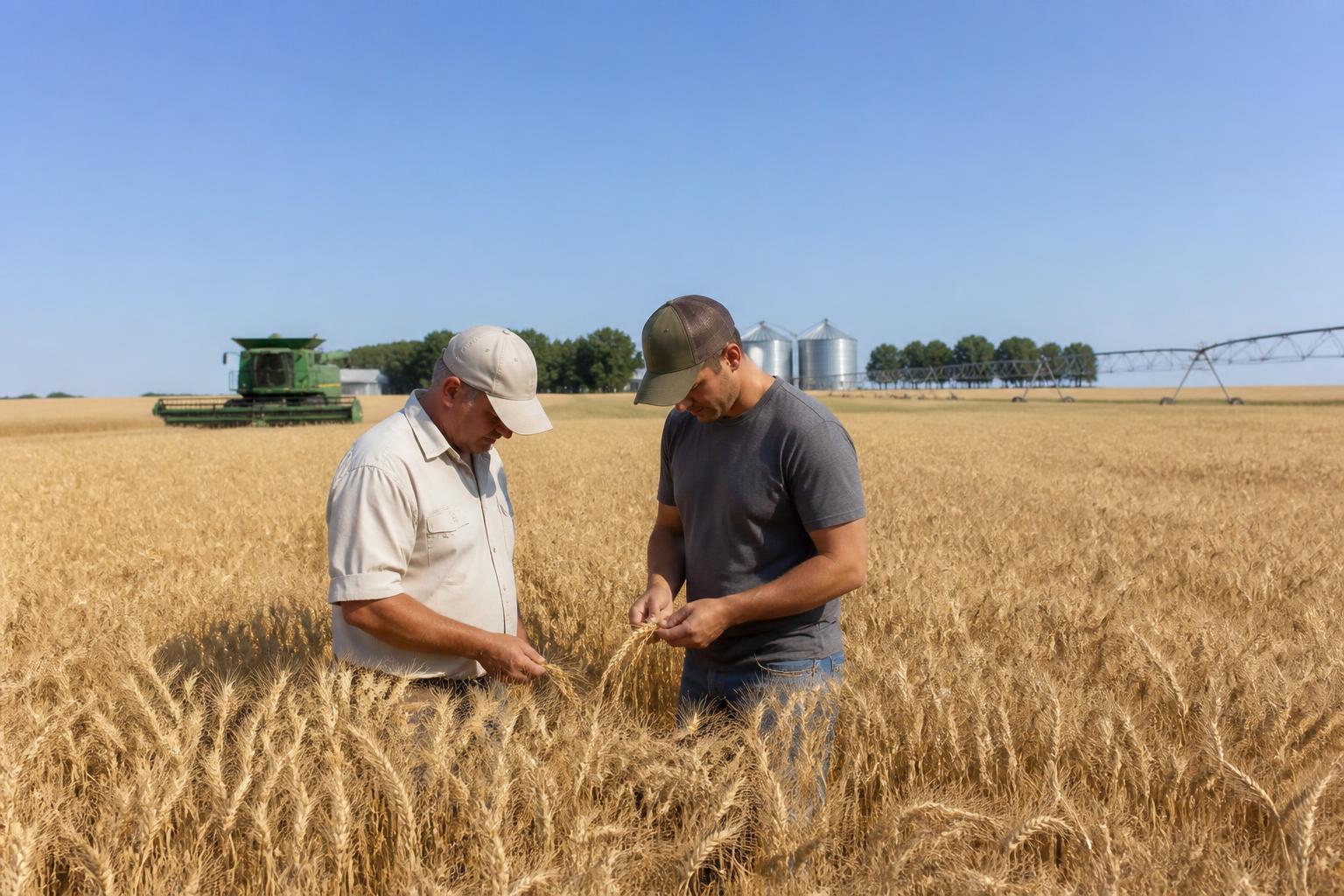
Market Headwinds for Idaho Commodity Producers
As the summer harvest cycle progresses across Idaho, many regional producers are navigating a period of tightened profitability. Economists note that commodity prices for key regional crops have remained subdued, creating a difficult environment for maintaining consistent margins. For those managing operational expenses during harvest, the combination of low market rates and rising overhead remains a primary concern for long-term viability.
While efficiency gains remain a goal for many operations, the current price outlook for wheat and other grains suggests that these challenges may persist for the immediate future. Producers are increasingly looking toward diversified management strategies to hedge against these downward market trends.
Regulatory and Input Shifts
The agricultural landscape in Idaho is also experiencing shifts regarding essential inputs. Following recent developments in other Pacific Northwest states, Idaho officials are currently investigating the status of specific organic-certified products, specifically those previously marketed as Agro Gold WS. Producers who rely on standardized organic inputs are encouraged to monitor these developments closely to ensure compliance as authorities clarify the regulatory landscape.
Furthermore, broader federal directives regarding the prioritization of domestic production for key inputs like glyphosate and phosphorus may eventually influence procurement strategies. For farmers, these policy signals suggest a pivot toward domestic supply chains that could alter how input buyers approach their seasonal logistics and storage planning.
Technology as a Management Tool
In response to recurring drought pressures and volatile weather, state researchers have introduced new analytical tools designed to aid in critical crop management decisions. These resources aim to provide producers with data-driven insights to help optimize water use and improve yield resilience despite uneven climate conditions. Leveraging such technology is becoming an increasingly common tactic for growers aiming to mitigate risk across Idaho’s diverse agricultural corridors.
What it means for the market
The convergence of low commodity prices and regulatory uncertainty requires a proactive approach to farm management. For grain handlers and agribusinesses, this necessitates a focus on flexible inventory management and a careful assessment of supply chain dependencies as the industry adjusts to both shifting federal priorities and local regulatory changes. Producers should prioritize stable, verified input channels and continue utilizing available diagnostic tools to protect their bottom line through the remainder of the season.
Comments
No comments yet - be the first to share your take.