
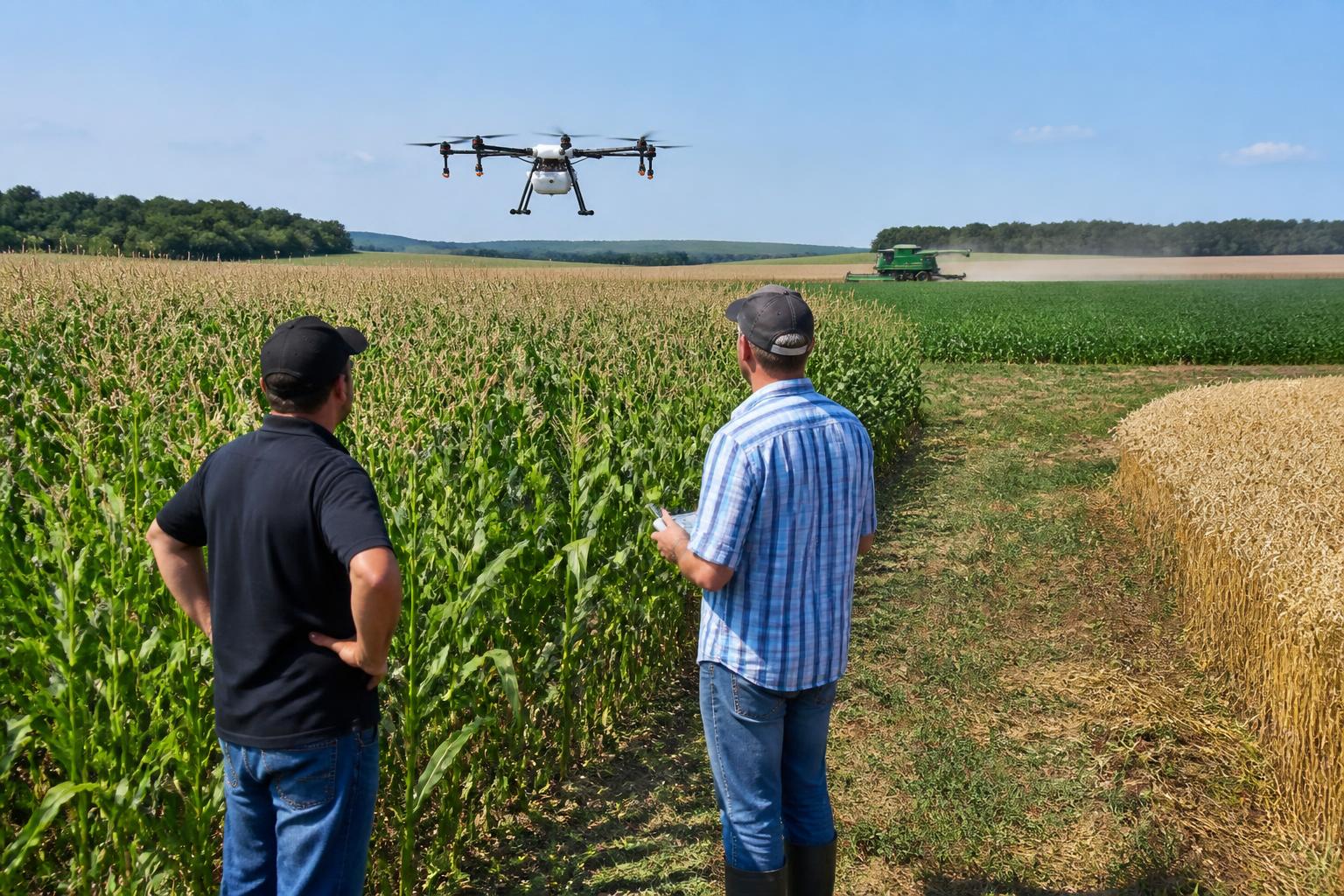
In late August, New York’s agricultural sector enters a critical period of operational activity. With the transition from mid-summer maintenance to the anticipation of early harvest windows, the movement of inputs and machinery has become a focal point for regional producers. Maintaining fluid logistics is often the difference between a profitable window and a missed opportunity, especially as regional traffic patterns can become unpredictable during the high-demand summer months.
For many farm operations across New York, from the specialized fields in the Hudson Valley to the expansive operations in the Finger Lakes, the focus remains on streamlining transport workflows. Many regional agribusinesses and logistics providers are currently navigating complex supply chain environments, where managing summer transport efficiencies has become an essential practice to ensure that products move reliably from the farm gate to market destinations.
Managing Seasonal Logistics
The current environment highlights the importance of proactive coordination between grain handlers, input buyers, and regional carriers. When supply chains experience pressure, the ability to pivot to local or regional alternatives often provides a competitive edge. This is particularly relevant for those coordinating the movement of bulky inputs or seasonal harvests, where equipment downtime or road restrictions can significantly hinder operational throughput.
Building Operational Resilience
Beyond immediate logistical concerns, many New York producers are investing in long-term resilience. This includes optimizing equipment use and adopting technology that helps monitor the flow of goods. As seasonal variables fluctuate, having a transparent view of available logistics capacity remains a top priority for agribusinesses trying to balance cost with timely delivery schedules.
What it means for the market
For New York farmers and logistics partners, the takeaway is clear: reliability in the supply chain is currently a top priority. As we progress through August, stakeholders who prioritize efficient scheduling and maintain strong relationships with local transport providers will be better positioned to manage the typical pressures of the late-summer season. Focus on maintaining flexible transit windows to help absorb potential disruptions in carrier availability.
Comments
No comments yet - be the first to share your take.