
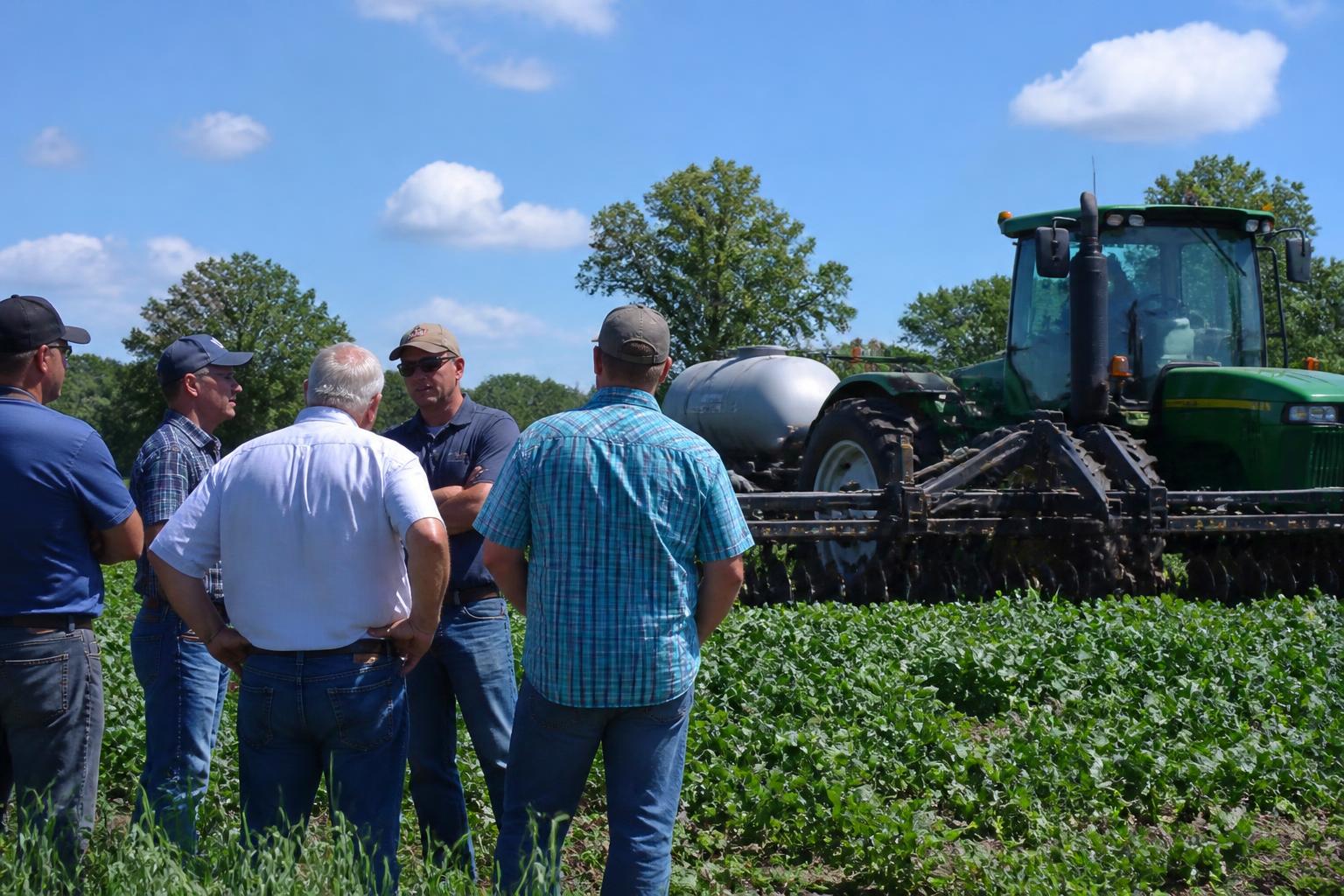
Mid-summer in New York presents a unique set of challenges and opportunities for the agricultural supply chain. As the season progresses, producers across the state—from the fertile fields of the Finger Lakes to the dairy corridors of the North Country—are balancing field maintenance with the logistical demands of moving seasonal commodities and inputs. Ensuring efficient transport routes during this period is essential to mitigating the pressures often seen in regional transit hubs.
For those managing New York input market requirements, proactive communication with regional carriers remains a primary strategy to avoid bottlenecks. With heavy agricultural equipment frequently sharing local roads with seasonal tourist traffic, operators are encouraged to plan transit windows carefully, particularly when moving specialized machinery or bulk supplies that require oversized load compliance on state corridors.
Refining Operational Logistics
The current agricultural landscape is evolving, with many operations integrating sustainable practices into their broader fuel and logistics strategies. As market conditions fluctuate, local elevators and agribusinesses are finding that tightening supply chain coordination helps stabilize operational costs. This focus on efficiency is not merely a short-term reaction but part of a long-term transition toward more resilient, localized agricultural systems that can better withstand regional market volatility.
Moreover, as New York producers look toward the final quarter, maintaining awareness of potential shifts in state-level support programs and infrastructure investments is increasingly vital. Staying informed on these developments helps agribusiness owners align their mid-season procurement with the changing regulatory and economic environment.
What it means for the market
For New York farmers and grain handlers, the focus for the remainder of the summer should be on lean inventory management and early logistical planning. By prioritizing clear communication with regional logistics partners and staying ahead of potential transport disruptions, businesses can better navigate the complexities of the current season while preparing for the upcoming harvest cycle.
Comments
No comments yet - be the first to share your take.