
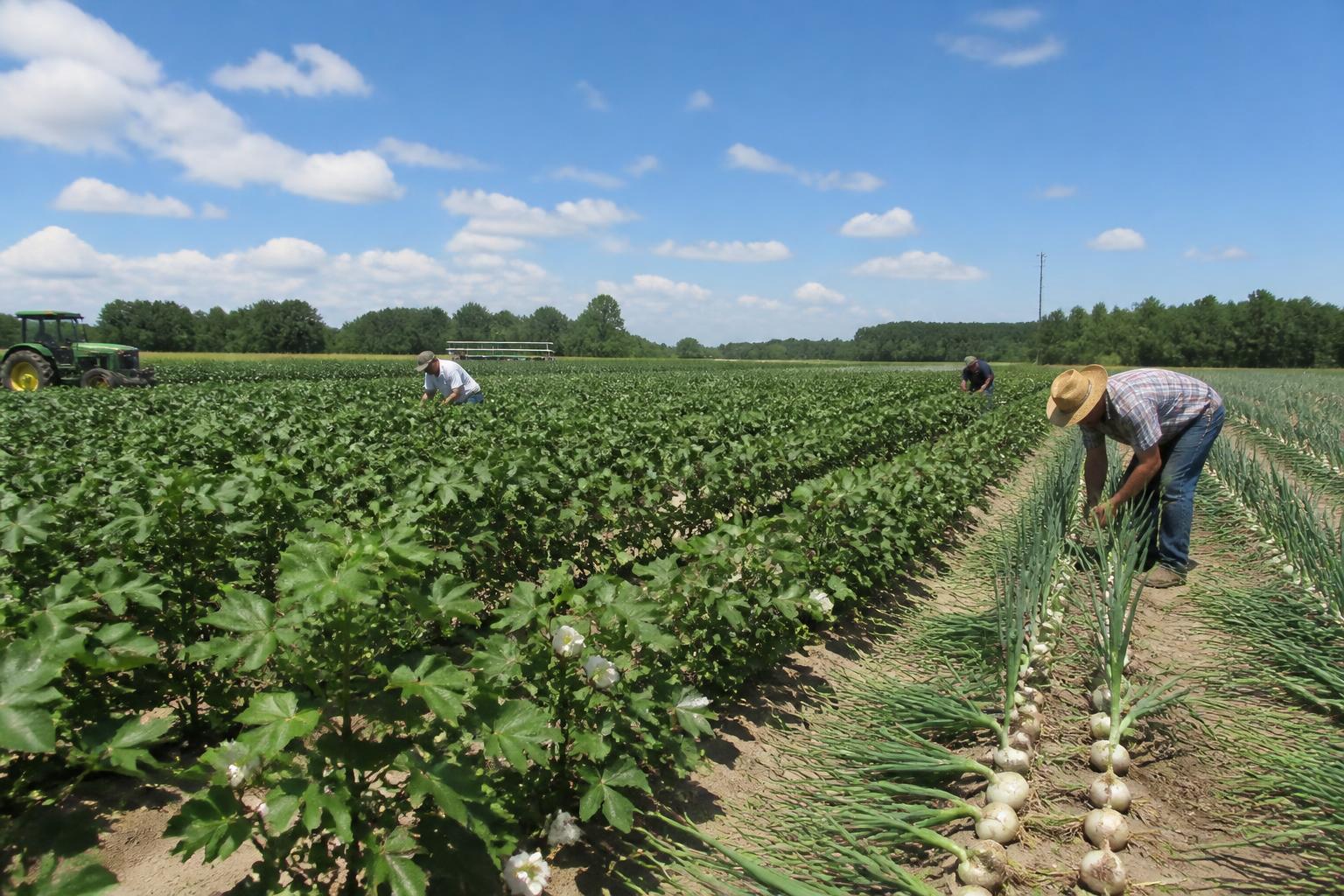
Rising summer temperatures and localized storm systems require dynamic field management across South Carolina, particularly as pest populations and weed pressures escalate. For local agribusinesses, optimizing summer chemical applications is vital. With fuel and fertilizer costs continuing to squeeze farm budgets, the integration of new crop genetics, targeted chemical applications, and soil conservation practices has become the standard for maintaining economic viability this season.
Balancing Pest Pressures and Input Budgets
Managing summer pests in the Southeast requires a calculated approach to chemistry and timing. Cotton growers in South Carolina are facing an improved overall outlook this season, but success hinges on keeping late-season insects and weed breakouts under control. Traditional chemical programs are increasingly paired with integrated pest management (IPM) techniques to lower overall application costs. For those managing row crops, reviewing seasonal strategies like managing pest pressures in the humid summer heat can provide valuable insights into navigating local regulatory shifts and chemical efficacy.
In addition to row crops, South Carolina's specialty crop sector is introducing new varieties to diversify farm portfolios. This includes the recent debut of sweet onion crops in the state, which demand precise early-season weed control and fungicide regimens to protect quality before harvest. Meanwhile, peach growers continue to balance intensive crop protection schedules with labor availability, emphasizing the need for highly efficient application methods.
Water Efficiency and Soil Conservation Advancements
Agronomic sustainability is playing a larger role in modern crop protection. Clemson University recently launched a major research project aimed at boosting water-use efficiency and crop yields across the southeastern United States. By improving irrigation efficiency and moisture retention, plants remain healthier and more resilient against disease and pest stressors, reducing the necessity for emergency rescue applications.
On-farm conservation practices are also proving to have direct economic benefits. Forward-thinking South Carolina operations are actively implementing systems to prevent sediment loss and protect natural habitats. These conservation buffers not only reduce erosion but also host beneficial insect populations that provide natural biological control, complementing traditional chemical crop protection programs.
Integrating New Varieties with Strategic Marketing
South Carolina farmers are gaining access to an expanded menu of crop varieties bred specifically for regional climate resilience and pest resistance. Utilizing these improved genetics helps mitigate risk from the start, reducing early-season chemical dependency. However, selecting the right variety is only half the battle; growers must align their agronomic protection plans with broader market dynamics.
As row-crop producers finalize their protection schedules, connecting these field-level decisions to wider regional market trends remains critical. Understanding strategic opportunities in grain production allows farmers to calculate whether high-value inputs will deliver a positive return on investment at the elevator this fall.
What it means for the market
The convergence of high operating costs and environmental pressures in South Carolina is accelerating the adoption of precision agriculture, resilient crop genetics, and conservation-focused management. For agricultural retailers and crop protection distributors, the focus must shift from simply selling volume to delivering tailored, high-efficiency solutions that protect margins. Growers who successfully leverage Clemson's new water-use research, adopt regional crop varieties, and practice target-specific pest control will be best positioned to weather seasonal volatility and secure stronger bottom lines in the late summer harvest.
Comments
No comments yet — be the first to share your take.