
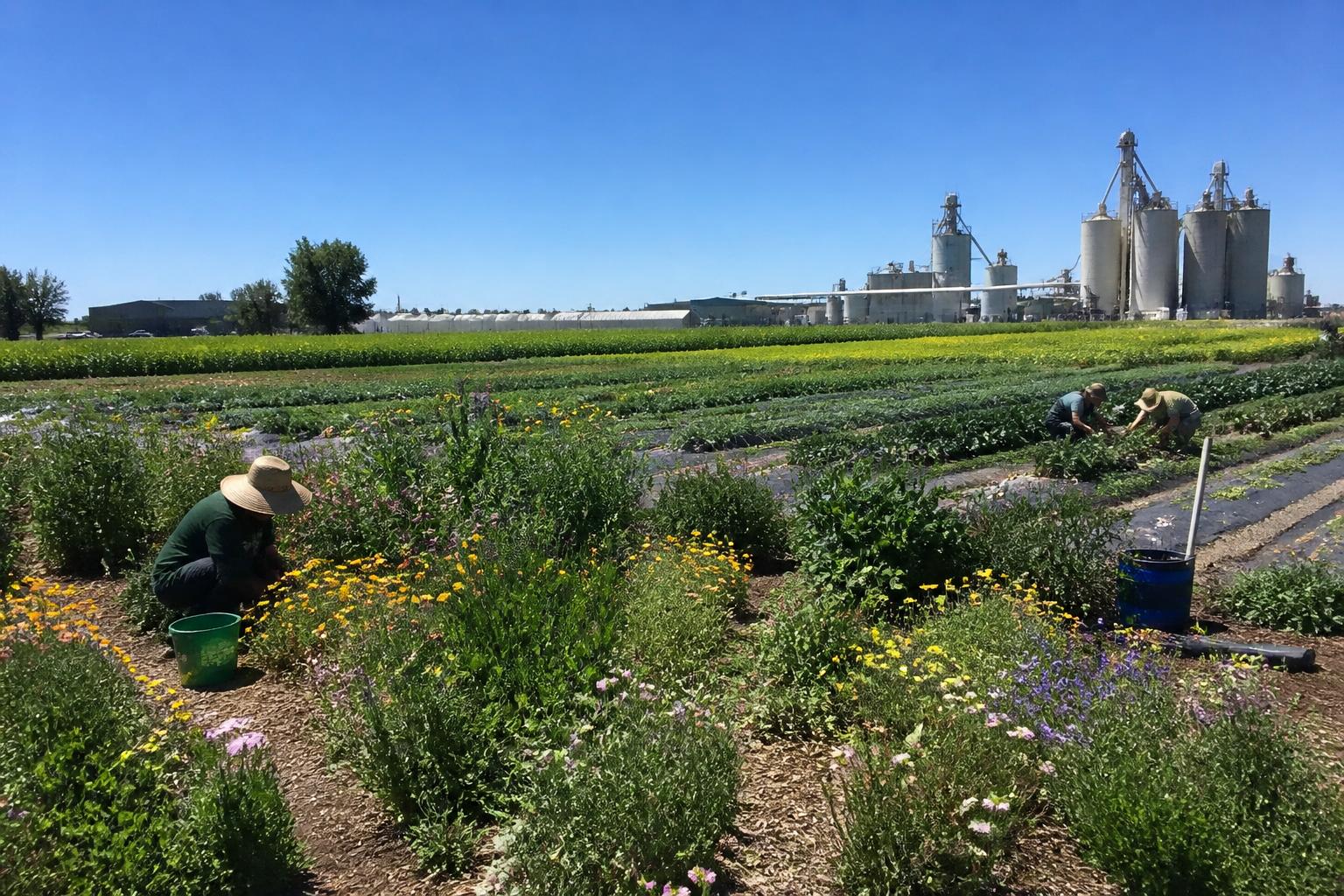
In the high-desert valleys of Nevada, where summer heat and limited moisture challenge crop performance, growers are turning to localized soil protection and biological pest management strategies. Securing reliable, clean inputs while maintaining robust ecological balances has become a priority for the state\'s agricultural producers during the dry summer months.
As farmers seek to protect crop health without relying solely on synthetic chemicals, regional developments in organic soil amendments and natural pest mitigation are providing new paths forward. By focusing on certified clean inputs and biological defenses, Nevada growers are shielding both their crops and their soil profiles from long-term degradation.
Securing Clean Soil Inputs at Murdock Mountain
Maintaining the integrity of organic crops starts with the soil. Recently, Nevada Organic Phosphate confirmed that heavy metal assays at its Murdock Mountain deposit in Elko County came back well below the strict limits required for the SUIP #25 organic certification. For local producers, this represents a significant step forward in securing a clean, regional source of rock phosphate.
Using soil inputs with low heavy-metal concentrations is vital for protecting crops from contamination and ensuring that growers can comfortably meet organic standards. Access to high-quality regional inputs is particularly beneficial as Nevada\'s High-Desert Grain Producers Adapt to Summer Heat with Resilient Crops and Local Inputs. Securing clean phosphate locally minimizes the risk of importing lower-grade amendments that could compromise soil health or organic certification status.
Harnessing Biological Protection via Native Pollinators
In addition to soil health, active pest management remains a primary concern during the summer growing season. To reduce reliance on chemical pesticides, the University of Nevada, Reno (UNR) has been promoting the use of native pollinator gardens. These specialized plantings are designed to attract beneficial insects directly to local agricultural fields.
This natural crop protection method introduces predatory insects that feed on common agricultural pests. By establishing beneficial insect corridors, Nevada farmers can manage pest populations biologically. This integrated pest management approach helps protect delicate alfalfa and specialty crops while lowering input costs and protecting the surrounding high-desert ecosystem.
Navigating Summer Input Logistics
Acquiring certified amendments and biological tools requires efficient regional distribution networks. Moving bulky soil protectants across Nevada\'s vast highway corridors can present logistical challenges, especially during peak summer freight seasons. Staying informed about local supply chains is essential for growers looking to secure inputs ahead of late-summer applications. For more on regional shipping trends, farmers can monitor developments in Nevada grain logistics and summer input trends to plan their seasonal deliveries effectively.
Key Takeaways for Nevada Growers
- Organic Safety: Murdock Mountain\'s low heavy metal assays provide reassurance for growers targeting high-standard organic markets.
- Natural Pest Control: UNR-supported pollinator gardens offer an effective, low-cost biological shield against damaging field pests.
- Freight Efficiency: Sourcing regional soil amendments reduces vulnerability to cross-border logistics delays during peak summer shipping windows.
What it means for the market
The convergence of certified local inputs and biological pest protection strengthens Nevada\'s agricultural resilience. As commercial organic certifications face stricter oversight, the availability of verified clean phosphate deposits within the state will help growers manage input risks. By combining clean localized inputs with natural pest-suppression techniques, Nevada agribusinesses can protect their crop yields, sustain soil health, and insulate themselves from volatile global supply chains.
Comments
No comments yet - be the first to share your take.