
As the summer heat sets in across the Willamette Valley and the wider Pacific Northwest, Oregon growers are actively managing seasonal pest pressures, weeds, and soil health. Balancing efficient crop protection with environmental stewardship remains a high priority for the state's diverse agricultural sector, which spans from specialty wine grapes and coastal cranberries to high-value potatoes and emerging field crops.
To stay competitive, Oregon farmers are increasingly turning to integrated pest management (IPM) systems, soil-health strategies, and innovative technology. These efforts are helping to safeguard crop yields while navigating tight operating margins and evolving regulatory expectations during the peak summer growing season.
Soil-Health and Biofumigation: Protecting Crops from Below
One of the most promising biological defense mechanisms gaining traction in Oregon is the use of biofumigation cover crops. According to the Oregon State University (OSU) Extension Service, these specialized cover crops can enhance soil health while actively combating soil-borne pests and pathogens. When incorporated into the soil, certain brassicas and other biofumigant plants release natural compounds that suppress weeds and harmful nematodes, providing a natural alternative or supplement to chemical fumigants.
Additionally, managing these cover crops requires precise nutrient accounting. OSU Extension researchers have focused on helping growers estimate plant-available nitrogen release from cover crops, ensuring that subsequent crops receive optimal nutrition without over-applying synthetic fertilizers. This focus on sustainable practices is highlighted by local achievements, such as Barlow Farms winning an Oregon Conservation Award for their dedication to resource stewardship. Implementing these protective methods is especially valuable as field crops grow, supporting broader regional efforts detailed in the Oregon wheat and corn market.
High-Tech Weeding and Non-Lethal Pest Deterrents
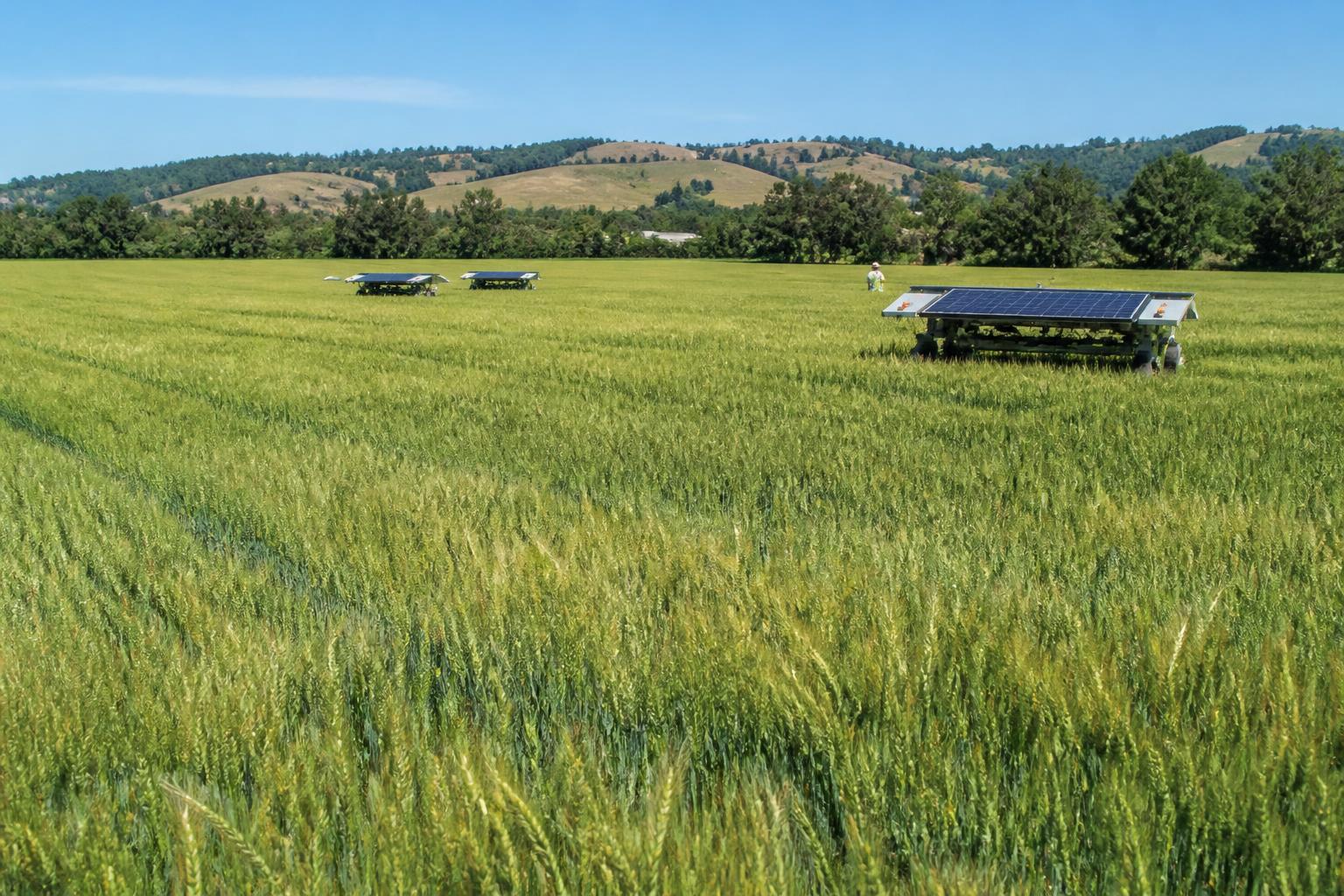
Technology is quickly shifting the landscape of weed control for local growers. Farmers are evaluating a new solar-powered machine designed to handle both seeding and weeding chores, offering an automated, chemical-free path to weed management. This autonomous option could significantly reduce labor demands and chemical inputs during the critical summer cultivation window.
For fruit and specialty growers, vertebrate pests present a different challenge. OSU Extension highlights various non-lethal bird deterrent strategies to reduce fruit crop losses without harming native wildlife. These strategies are crucial in a state where bird damage can quickly erode profit margins on high-value berry and orchard operations. Similarly, the Oregon Goose Control Task Force continues to address bird-related forage and crop damage across sensitive agricultural zones, balancing wildlife conservation with production security.
Targeted Protections for Specialty and High-Risk Crops
Specialty crops require highly specific protection protocols. For instance, OSU Extension continues to update its pest management guide for wine grapes in Oregon, a vital resource for a region currently navigating a surplus of Pacific Northwest vineyards. Managing pests efficiently is critical to maintaining grape quality while controlling production costs. Similarly, research measuring the economic impact of pests and pest management on cranberries in Oregon and Washington underscores the steep financial toll of unchecked infestations on these unique coastal bogs.
Meanwhile, potatoes remain a highly profitable yet remarkably risky venture for growers in eastern and central Oregon, where intense pest pressures and soil-borne diseases require constant monitoring. As farmers seek to balance these risks, diversifying into other field crops can offer stability, as discussed in the overview of Oregon's grain market.
Key Takeaways for Oregon Growers
- Biofumigation options: Planting specific cover crops can naturally suppress soil-borne pests and improve soil health.
- Autonomous weeding: Solar-powered weeding and seeding machinery offers a chemical-free alternative to traditional weed control.
- Specialized guidance: Updated pest management guides for wine grapes and economic impact studies for cranberries provide critical data to optimize summer spray programs.
What it means for the market: For Oregon's agricultural sector, the ongoing adoption of integrated pest management, biofumigation, and autonomous weeding technology represents a vital shift toward lower chemical dependence and better margin protection. As summer pests reach their peak activity, growers who leverage these biological and technological advancements will be best positioned to protect their crop quality and optimize input costs, securing their place in a demanding marketplace.
Comments
No comments yet — be the first to share your take.