
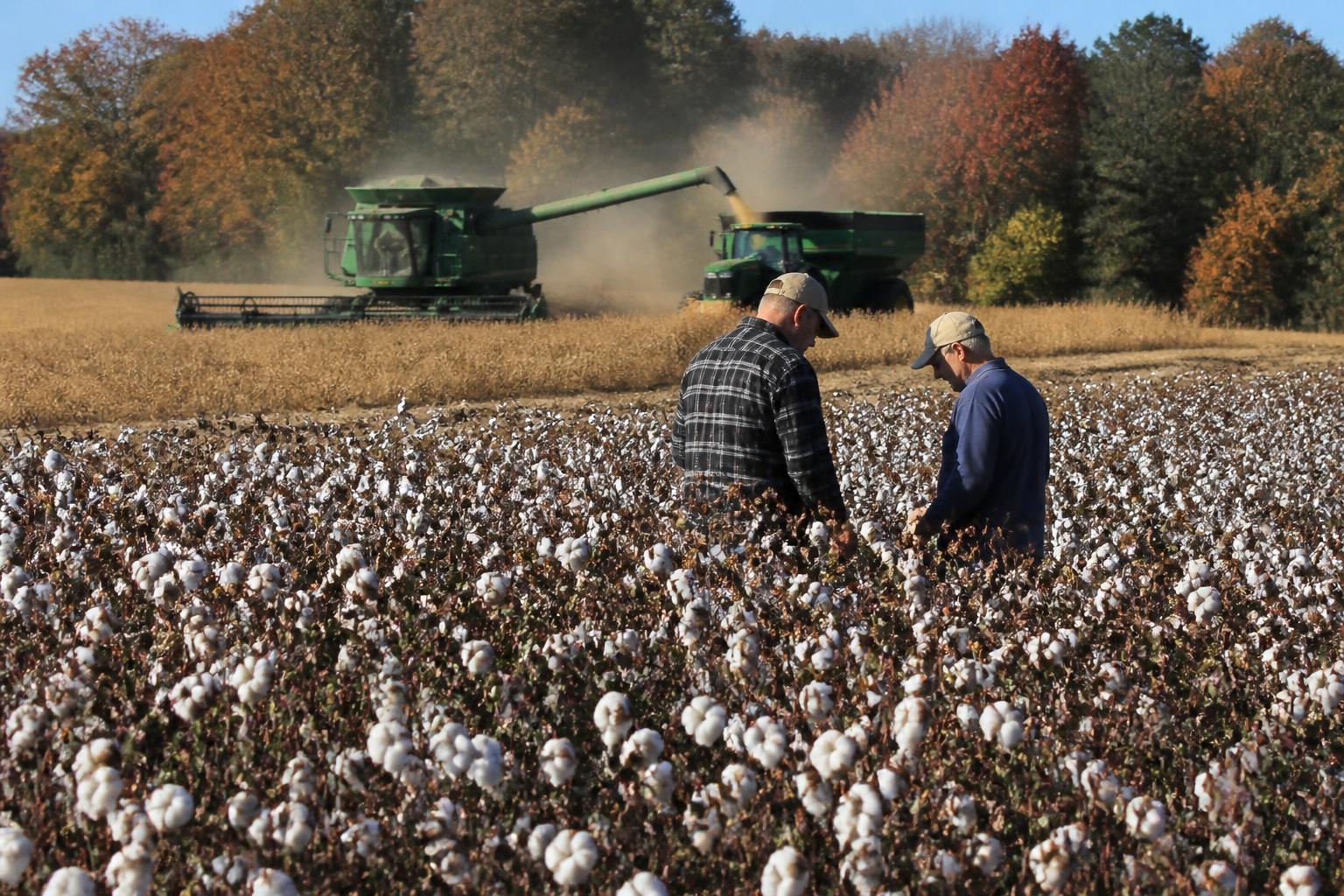
As the fall harvest period gains momentum across North Carolina, the agricultural sector is balancing seasonal field operations with long-term infrastructure and recovery challenges. Farmers from the coastal plains to the Piedmont are shifting their focus toward crop collection and post-season management, while keeping a close watch on the resilience of local logistical corridors and transport routes that facilitate timely delivery to elevators and processing facilities.
For many producers, this season remains heavily influenced by the aftermath of earlier weather volatility. Recent financial support measures, including significant aid packages aimed at mitigating 2024 weather-related crop losses, have provided some operational relief for impacted growers. This capital influx often plays a critical role in stabilizing input-heavy operations that have faced tight margins throughout the year. Beyond direct aid, ongoing investments in regional value-added infrastructure, such as grants for local processing and meat handling, continue to offer pathways for market diversification.
Managing Operational Pressures in the Field
Efficient movement of grain and produce remains the top priority during these critical months. Growers are increasingly utilizing data-driven tools, such as local flood-monitoring apps, to navigate low-lying transit zones in regions like Hyde County. By staying ahead of potential road closures and water-related transit risks, agribusinesses can better anticipate bottlenecks in rural infrastructure that typically emerge during peak seasonal movement.
The integration of certified crop consultants and agricultural analytics platforms is also helping many operators optimize their harvest timing. Managing these variables is essential when facing broader supply chain uncertainties. Furthermore, for those managing livestock or high-value specialty crops, the stability of regional energy grids and reliable cold chain logistics remains a constant operational focus.
What it means for the market
The convergence of post-disaster recovery funds and the logistical realities of the fall harvest creates a complex landscape for North Carolina agribusinesses. Farmers who leverage current aid programs to fortify their local transport and storage logistics will likely be better positioned to manage inventory flux as the market reacts to shifting regional supply trends. Staying informed on grain logistics and crop outlooks is vital for identifying opportunities to maximize returns in a tightening market environment.
Comments
No comments yet - be the first to share your take.