
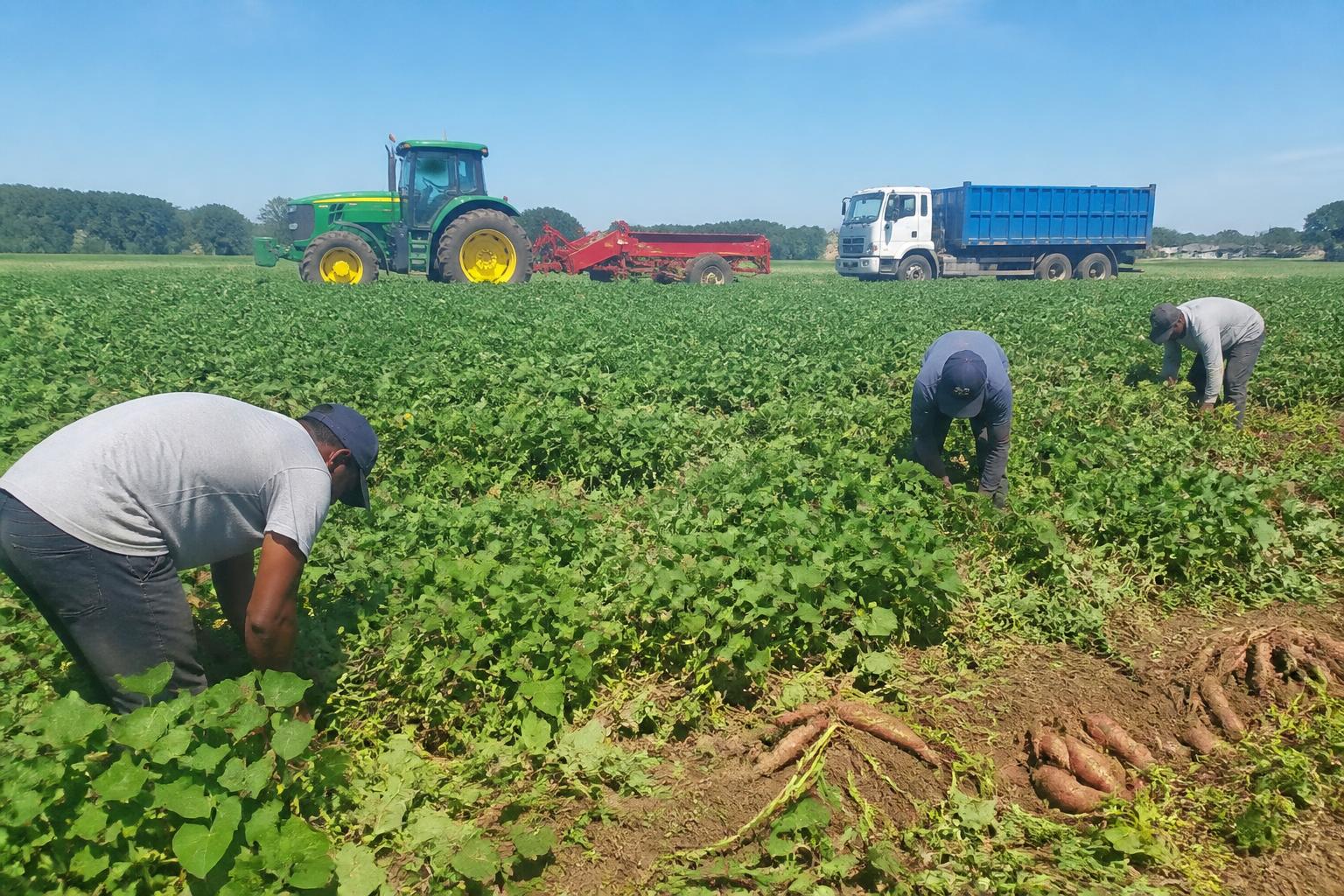
As North Carolina moves through the late summer season, the intersection of agricultural transport and general public infrastructure has become a focal point for the regional supply chain. Recent concerns regarding heavy transit on rural roads, particularly near Kinston, have sparked discussions among state officials about how GPS routing software directs non-commercial traffic onto secondary routes often reserved for heavy agricultural equipment.
The Impact of GPS Routing on Farm Logistics
For grain handlers and farm operators in the eastern part of the state, these rural passages are critical arteries for seasonal movement. When consumer-grade GPS systems reroute non-local traffic onto narrow or weight-restricted rural roads to avoid highway congestion, it can create significant safety hazards and logistics bottlenecks. These disruptions often force machinery operators to pull over or alter transit paths, risking delays during high-intensity periods of the season.
Strategic Management of the Agricultural Supply Chain
Addressing these infrastructure pressures requires a dual focus on route awareness and reliable logistics planning. Just as growers must adapt to changing market variables and grain logistics, stakeholders are increasingly looking toward smarter mapping solutions that distinguish between primary transit routes and sensitive agricultural zones. Local cooperation between transport firms and municipal planners remains the most viable path to minimizing these transit risks.
Key Takeaways for Agribusiness
- Route Awareness: Evaluate secondary and tertiary road paths during peak transit weeks to avoid congestion hotspots identified by public navigation tools.
- Infrastructure Advocacy: Continue engaging with local representation regarding traffic patterns that interfere with equipment mobility.
- Efficiency Focus: Prioritize clear communication with haulers regarding designated heavy-load routes in heavily trafficked agricultural districts.
What it means for the market
Proactive management of transportation logistics is essential for maintaining margins as we approach harvest. By anticipating potential rural road delays caused by civilian traffic, agribusinesses and operators can better protect their equipment and ensure that product reaches elevators and processing facilities with minimal interruption to the supply chain.
Comments
No comments yet - be the first to share your take.