
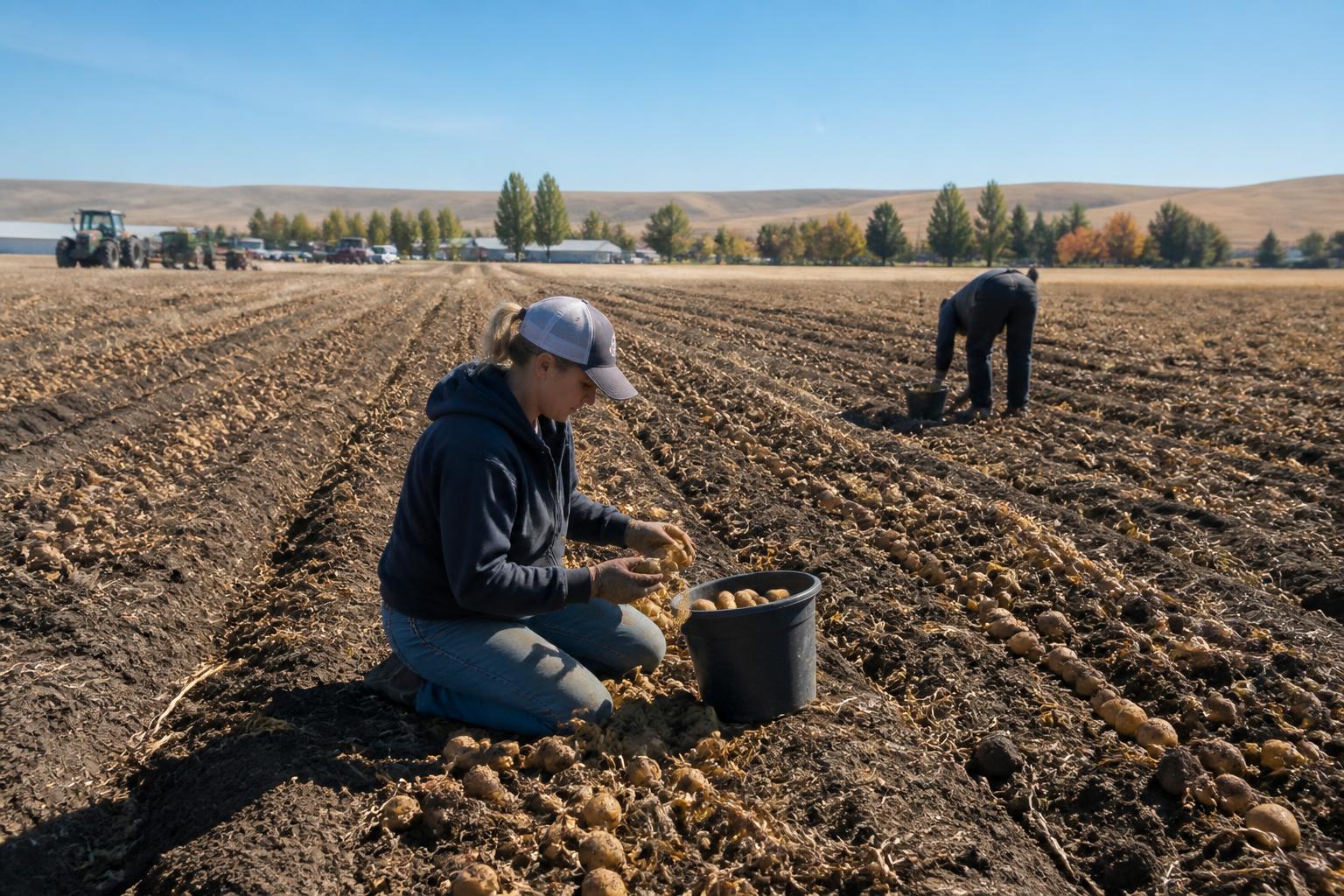
As the fall season settles over Idaho, the pace of field activity is rapidly quickening across the state. For many producers, this time of year marks a critical transition, as logistical planning for storage and transport becomes just as vital as the final push in the fields. With market conditions showing sensitivity to global variables, growers are navigating a complex environment where securing storage capacity early remains a recurring priority for those managing grain inventories.
Regional discussions regarding land use and development continue to influence long-term operational planning for many family farms. As Idaho experiences shifts in infrastructure and local land development, producers are increasingly engaged in maintaining the viability of their operations. Managing these pressures requires a proactive approach to supply chain logistics, ensuring that wheat and other key commodities can reach collection points without unnecessary bottlenecks during peak harvest weeks.
Navigating Market Dynamics and Logistics
The current market environment encourages a tactical approach to managing harvest output. Many growers are keeping a close watch on regional price signals before deciding whether to move product immediately or utilize on-farm and elevator storage. This wait-and-see strategy is often a response to broader commodity fluctuations that can impact profitability. Integrating local market insights is essential for operators looking to time their sales effectively against potential seasonal price pressures.
Logistical efficiency during the fall also depends on the readiness of regional transport networks. With harvest volume increasing, maintaining fluid movement from the field to local grain elevators is a logistical challenge that requires constant coordination. For those managing complex supply chains, paying close attention to harvest flow infrastructure is a practical step to avoid transit delays that could disrupt local operations.
What it means for the market
Producers should prioritize early communication with transport providers and elevator managers to ensure that storage and logistics plans are aligned with actual yields. As the state moves further into the fall harvest, the ability to pivot based on real-time price trends and transportation availability will define the financial outcome of the season for many Idaho agribusinesses. Keeping a lean and flexible operation remains the most effective hedge against current sector volatility.
Comments
No comments yet - be the first to share your take.