
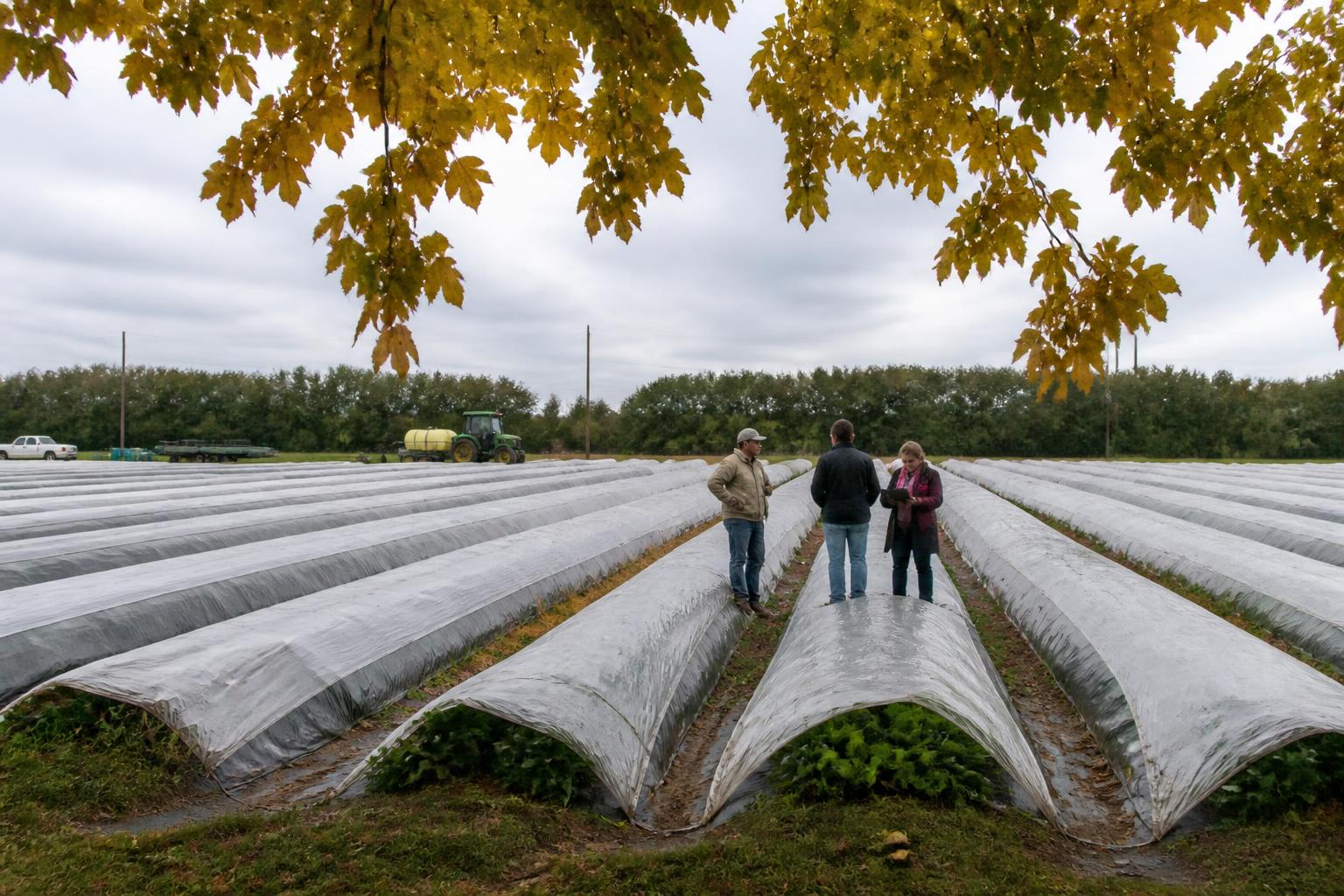
Florida's agricultural landscape continues to face a unique set of pressures as we move into the fall season. For producers across the state, from the strawberry fields of the Panhandle to the specialized operations in the peninsula, the focus remains on mitigating the impact of high fertilizer costs and maintaining operational efficiency. With global supply constraints keeping phosphate prices elevated, many agribusinesses are looking for ways to streamline their input delivery and improve overall farm-level resilience.
As operations adapt to these shifting costs, managing input volatility has become a central theme for local farmers. The push for greater efficiency is also driving interest in new biological technologies and precision ag tools, which promise to help producers maximize yields while navigating tighter margins. These technologies are increasingly seen as essential for maintaining a competitive edge in a globalized market.
Managing Supply Chain and Input Hurdles
The conversation surrounding agricultural logistics and input procurement has gained urgency in recent months. Farmers are closely monitoring the landscape of fertilizer distribution as questions around pricing transparency and market interventions continue to surface. Whether operating in the fruit, vegetable, or specialty crop sectors, the ability to secure inputs reliably and cost-effectively is a primary concern for growers aiming to protect their bottom lines.
Focusing on Operational Efficiency
Beyond inputs, the broader economic environment for Florida producers is evolving. Market shifts and international trade discussions often highlight the risks of relying on traditional supply channels. As the industry looks ahead, integrating intelligent, data-driven approaches into daily logistics and crop management could provide the necessary buffer against unexpected price swings. Proactive scouting and field-level monitoring remain critical practices for identifying potential risks early in the growth cycle.
What it means for the market
For Florida producers, the current market climate suggests that long-term stability will likely be built on the back of technological adoption and strategic supply chain management. By diversifying input sources and leveraging emerging research, growers can better navigate the prevailing high-cost environment and ensure their operations remain on solid ground throughout the coming seasons.
Comments
No comments yet - be the first to share your take.