
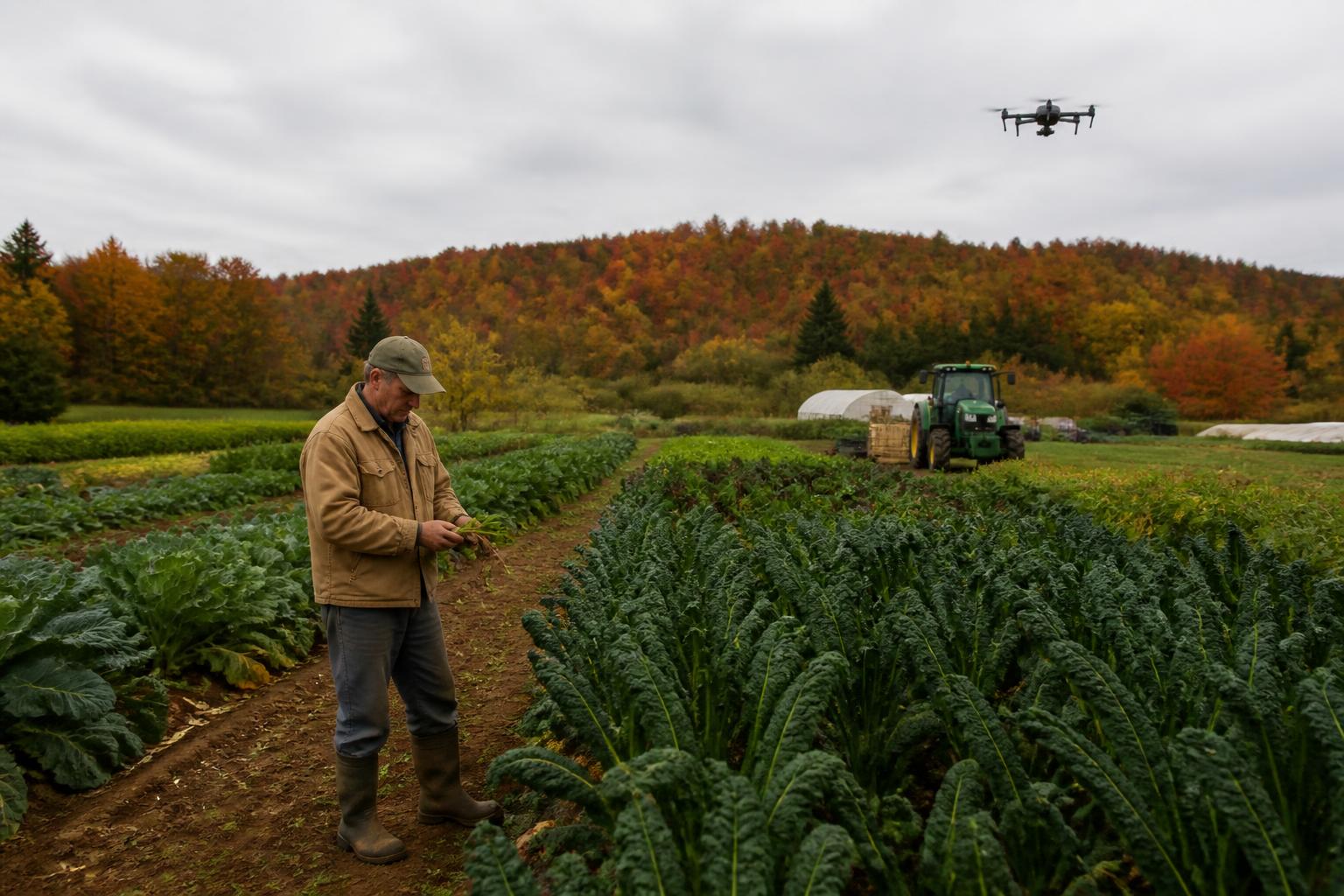
As the fall harvest window opens across Maine, regional grain producers are once again evaluating their operational resilience. From the growing hubs around Skowhegan to the diverse fields stretching across the state, the focus remains on navigating the balance between consistent production quality and fluctuating input expenses. Many operators are finding that success in the current climate requires a meticulous approach to both field management and supply chain logistics.
For many local farms, the pressure from input costs, particularly regarding fertilizer, continues to be a central theme. As Maine grain producers navigate fluctuating input costs and operational resilience, the need for precise soil analysis and efficient nutrient application has become a standard necessity. Producers are increasingly relying on localized data and testing to ensure that every dollar spent on inputs provides the maximum possible yield return.
Refining Harvest and Logistics
Harvest logistics often pose a unique set of hurdles for Maine's agricultural sector. Ensuring that grain moves efficiently from the field to the elevator or storage facility requires careful coordination, especially as road conditions and seasonal weather variability come into play. Many producers are exploring ways to modernize their harvest workflows to mitigate potential delays, ensuring their commodities maintain market-ready standards from the moment of harvest.
Strategizing for long-term viability also means Maine grain producers navigate evolving input costs and regional growth by diversifying their land use and investing in better storage solutions. As local demand for regional grains fluctuates, being able to hold inventory or quickly pivot to new market channels provides an essential buffer against regional volatility.
Market Stability and Future Outlook
Effective land management remains a priority for those looking to sustain production over the coming years. By adopting techniques that preserve soil health, farmers are better positioned to weather environmental stressors that may affect output. As noted in recent regional discussions, Maine farm landscapes shift as producers prioritize land protection and resilience, reflecting a broader commitment to long-term sustainability that resonates throughout the local agribusiness community.
What it means for the market
The current landscape indicates that while cost pressures remain, the emphasis on local operational efficiency is providing a pathway for resilience. Producers who continue to focus on data-driven nutrient management and streamlined harvest logistics will likely remain best positioned to address the complexities of the regional grain market as the season progresses.
Comments
No comments yet - be the first to share your take.