
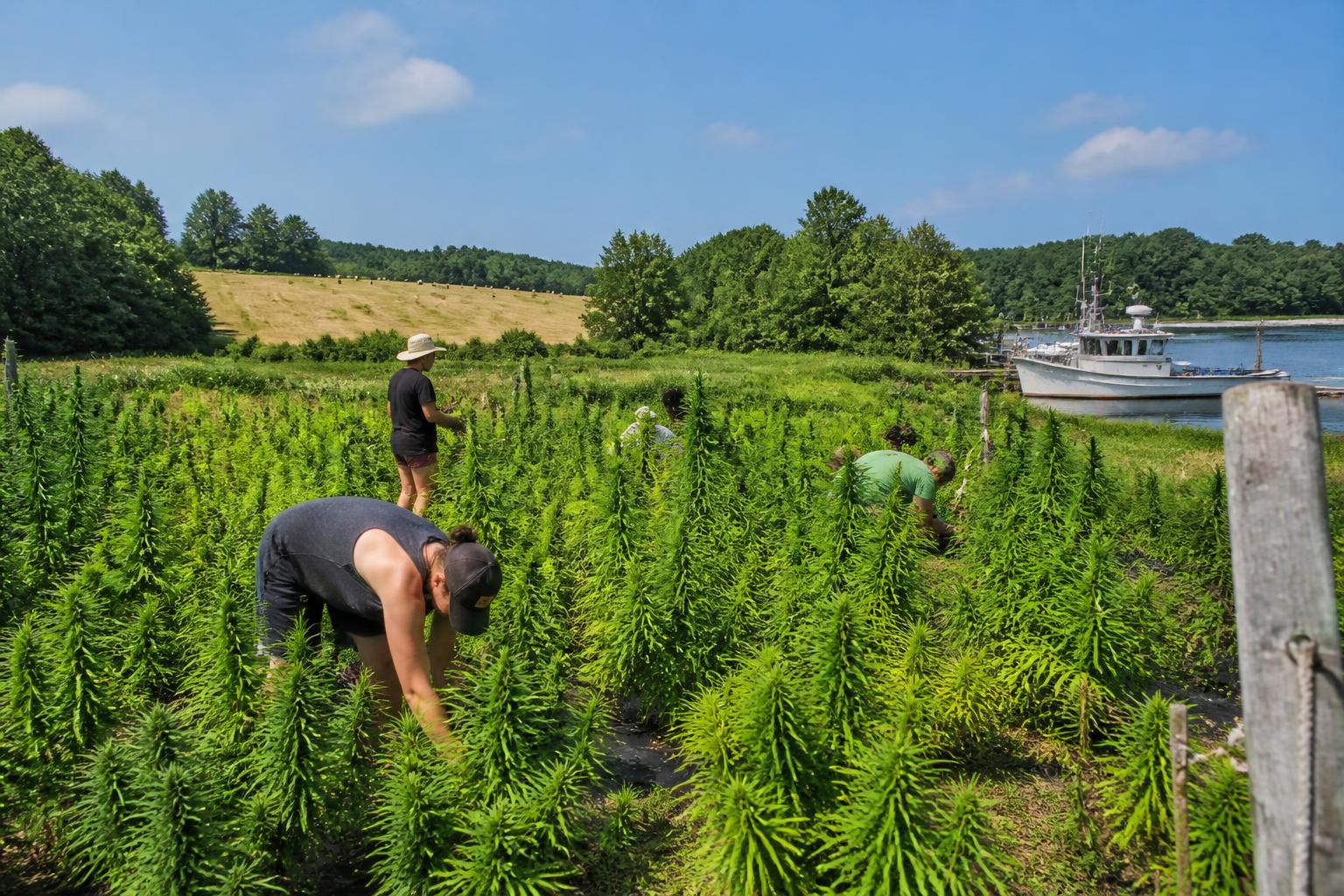
Maine producers are continuing to adapt to a complex agricultural environment this summer, balancing shifting regulatory frameworks with the need for long-term operational stability. Recent activity across the state highlights a trend toward land stewardship, as farmers weigh conservation efforts against the practicalities of modern cultivation.
Prioritizing Land Preservation and Soil Health
As land protection and growth become central to the state's agricultural narrative, many operators are taking proactive steps to secure their acreage. In Lincoln County and beyond, farm owners are increasingly investing in the permanent protection of hayfields and pastures. These efforts reflect a broader industry awareness of the importance of maintaining productive soil while mitigating potential contamination risks that have historically affected various regions in the state.
Adapting to Operational Realities
Farmers across the state continue to grapple with operational realities, ranging from the integration of new specialty crops like hemp to responding to climate-driven challenges. The ability to pivot is becoming a hallmark of local agribusinesses as they monitor changing soil health guidelines and adapt their input practices. For many, the focus has shifted toward high-value, resilient crops that offer both market viability and compatibility with stricter environmental oversight.
What it means for the market
For agribusinesses and logistics providers, this period of adaptation signals a move toward more localized, controlled production systems. While large-scale transport and supply chains remain essential, producers are showing a clear preference for land tenure stability and sustainable input management. Market participants should anticipate that ongoing land conservation efforts will continue to influence land values and production capacity, potentially creating a tighter, more specialized market for regional agricultural services in the seasons ahead.
Comments
No comments yet - be the first to share your take.