
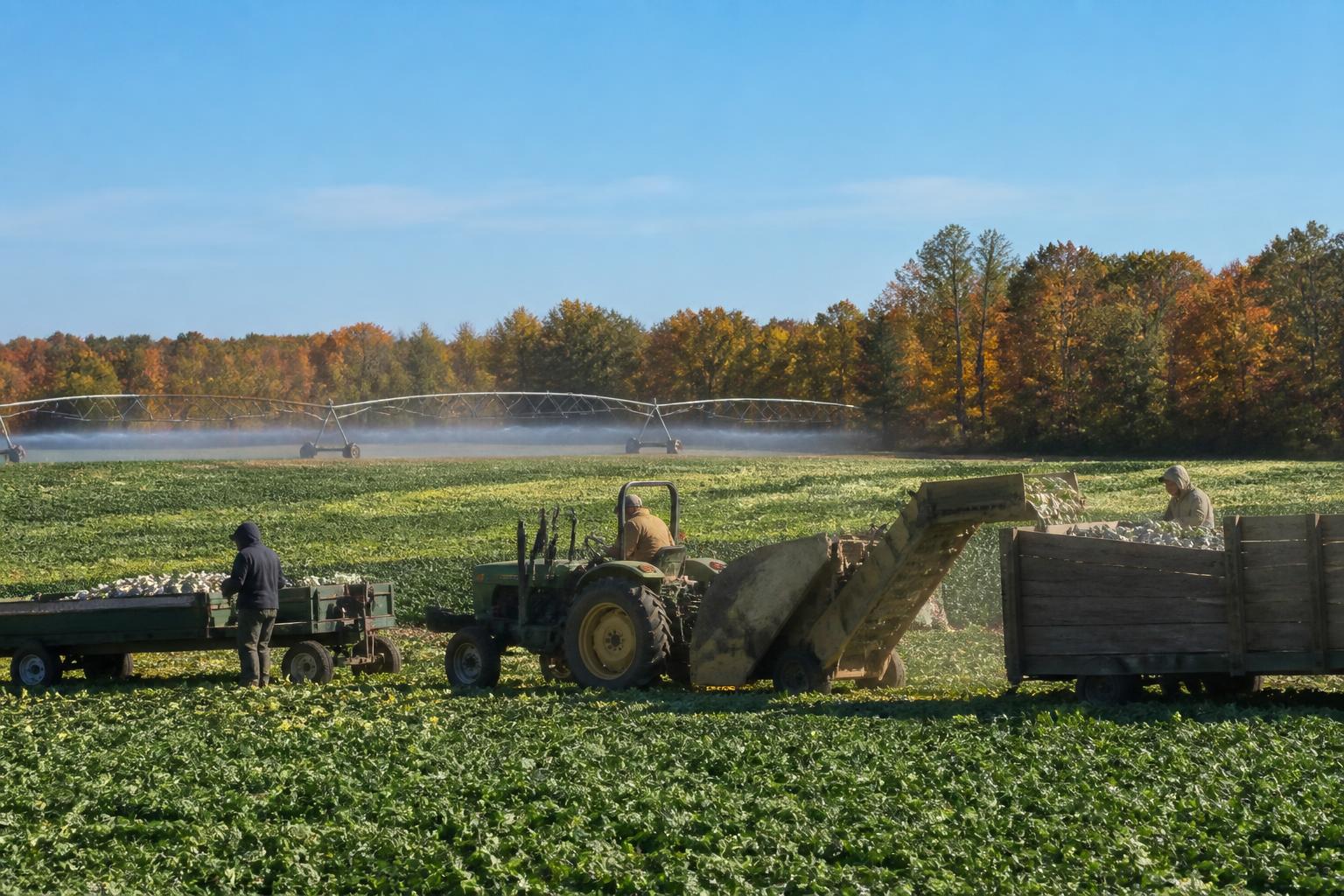
As we move into September, Alabama producers are shifting their attention toward the upcoming harvest season. For those managing on-farm storage, this time of year demands a proactive approach to facility maintenance and safety. With the potential for varying field conditions across the state, ensuring that grain bins are prepared for intake is essential to protecting crop value.
Proper storage management begins with equipment readiness. Producers often find that scheduling inspections for aeration fans, augers, and monitoring systems well before the first loads arrive can prevent costly downtime. Furthermore, establishing a comprehensive grain bin fumigation plan remains a regulatory necessity, not just a best practice, to mitigate risks associated with stored grain pests.
Navigating Market Dynamics and Logistics
While local activities focus on field readiness, broader trends continue to influence the grains sector. Alabama growers, like their counterparts across the country, are keeping an eye on how international supply agreements and global trade shifts might eventually impact domestic pricing. Staying informed on local grain buyers and market trends provides producers with the flexibility needed to make informed decisions regarding storage versus immediate delivery.
Logistical efficiency is another pillar of a successful harvest. Whether coordinating with local elevators or navigating regional transportation corridors, early communication with your supply chain partners can help manage the typical seasonal congestion that occurs when regional harvest volumes peak.
What it means for the market
The convergence of on-farm safety, facility readiness, and a globalized grain market requires Alabama agribusinesses to be both disciplined and adaptable. By prioritizing maintenance now, producers can safeguard their yield quality and maintain the operational agility needed to navigate potential price fluctuations throughout the fall.
Comments
No comments yet - be the first to share your take.