
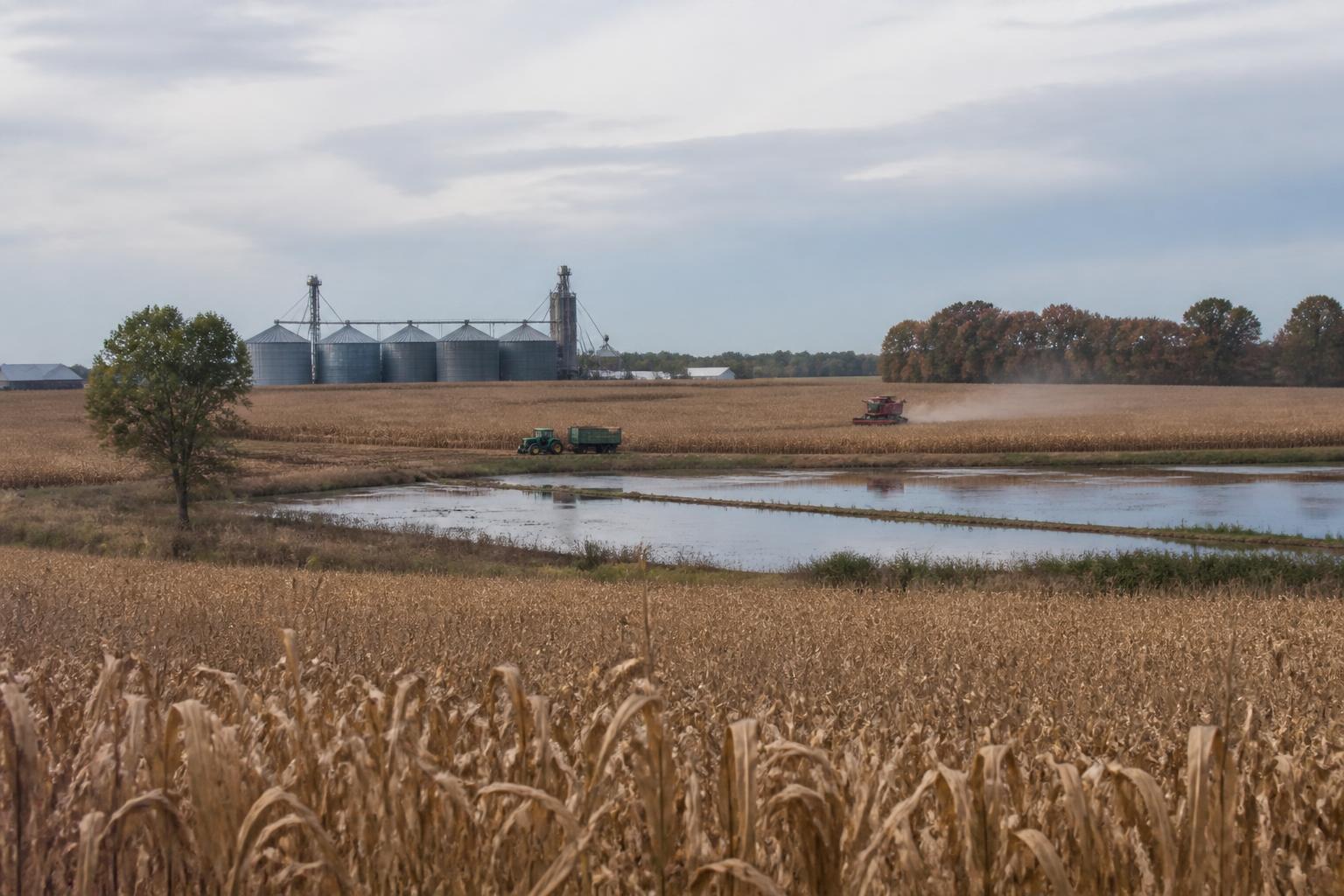
As harvest activity ramps up across the Louisiana landscape this September, producers are closely monitoring both the field and the supply chain. With the current harvest season moving into full swing, the focus for many remains on efficient storage and movement toward the Gulf Coast. Recent developments, including the consolidation of grain elevator ownership in the state, suggest a period of transition for how local farmers manage their crop movement during this critical period.
Infrastructure and Regional Capacity
The efficiency of Louisiana's grain transit network is central to regional profitability. Efforts to optimize storage capacity are becoming increasingly relevant as handlers look to manage the flow of commodities through major ports. Infrastructure remains a priority for stakeholders, as the ability to move grain reliably to export markets often dictates local basis levels. For growers, keeping a close eye on regional infrastructure performance can provide a clearer picture of potential bottlenecks as the volume of grain arriving at receiving stations increases.
Logistical Considerations for the Fall Harvest
Logistics in Louisiana can be complex, especially with heavy reliance on river and port corridors. Farmers and commercial handlers are often navigating seasonal constraints, and maintaining awareness of facility upgrades or changes in operational management is a practical necessity. While large-scale agricultural projects are often discussed, day-to-day decisions regarding which elevator to utilize based on current load-out capacities can be the difference in maintaining harvest momentum.
What it means for the market
The current market environment requires a balance between field management and logistical foresight. As ownership shifts at key storage points and export demand fluctuates, staying informed about local capacity is essential. Producers should prioritize clear communication with their local grain handlers to ensure timely movement and to stay ahead of any potential operational shifts that could impact their bottom line during the busiest weeks of the season.
Comments
No comments yet - be the first to share your take.