
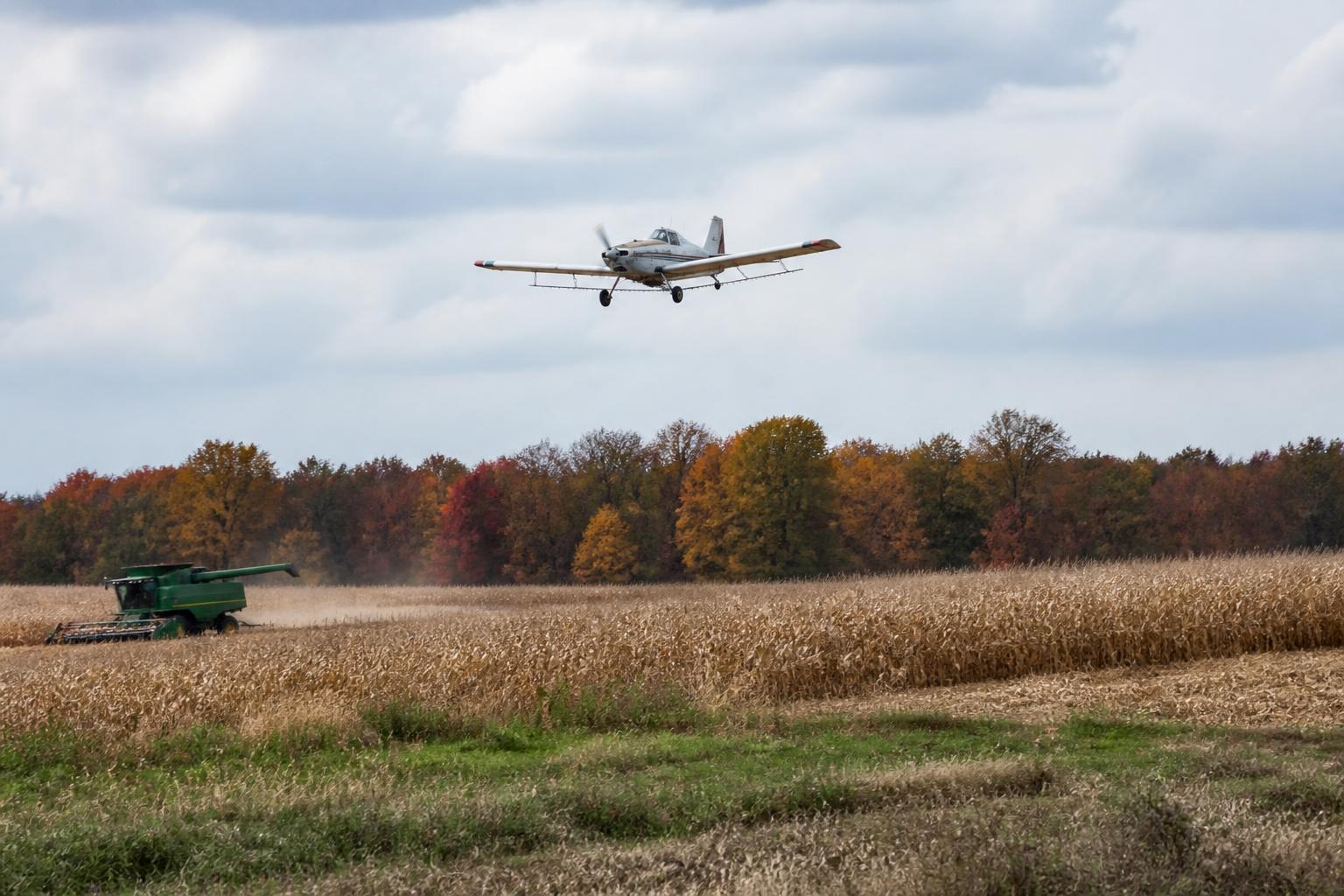
As the fall season progresses across Maryland, producers are shifting their focus toward critical pre-harvest field maintenance. With the window for standard field operations tightening, rural corridors and local roadways may experience a noticeable uptick in equipment movement and logistical coordination efforts. For many operators, this season brings a familiar mix of time-sensitive tasks that require careful planning to maintain safety and efficiency.
Aerial seeding operations are currently active across various regions of the state and are expected to continue through mid-October. Farmers and ground crews should remain vigilant regarding low-flying aircraft. This period often necessitates extra caution when coordinating on-farm transit and infrastructure management to avoid disruptions in standard field access, particularly in counties where topography and high-traffic secondary roads complicate equipment movement.
Navigating Seasonal Transit Hurdles
The convergence of active aerial seeding, local transport of inputs, and early harvest preparations creates a complex logistical landscape. In many parts of Maryland, the reliance on shared infrastructure means that timing is everything. Operators should stay mindful of potential bottlenecks that often emerge when heavy machinery shares routes with localized logistics providers. For those managing grain storage or scheduling pickups, proactive communication with carriers remains essential for balancing grain infrastructure preservation with the immediate demands of the season.
Prioritizing Operational Efficiency
Beyond the immediate logistical concerns, Maryland farmers are also navigating a shifting agricultural landscape. Research initiatives and regional developments continue to influence how growers approach everything from crop genetics to pest management, such as current monitoring efforts for invasive species like the box tree moth. These broader industry shifts, coupled with localized aerial field access protocols, underscore the need for a flexible, well-documented operational strategy throughout the fall.
What it means for the market
For the Maryland agricultural community, the current market climate rewards those who prioritize logistical foresight. As the state’s grain handling and transport sectors adjust to the demands of the fall cycle, the ability to coordinate aerial activities with ground-level transport will likely prove to be a key factor in mitigating downtime. Maintaining clear lines of communication with local logistics partners can help farmers stay ahead of potential delays, ensuring that products move efficiently from the field to local elevators or processing hubs during this high-activity window.
Comments
No comments yet - be the first to share your take.