
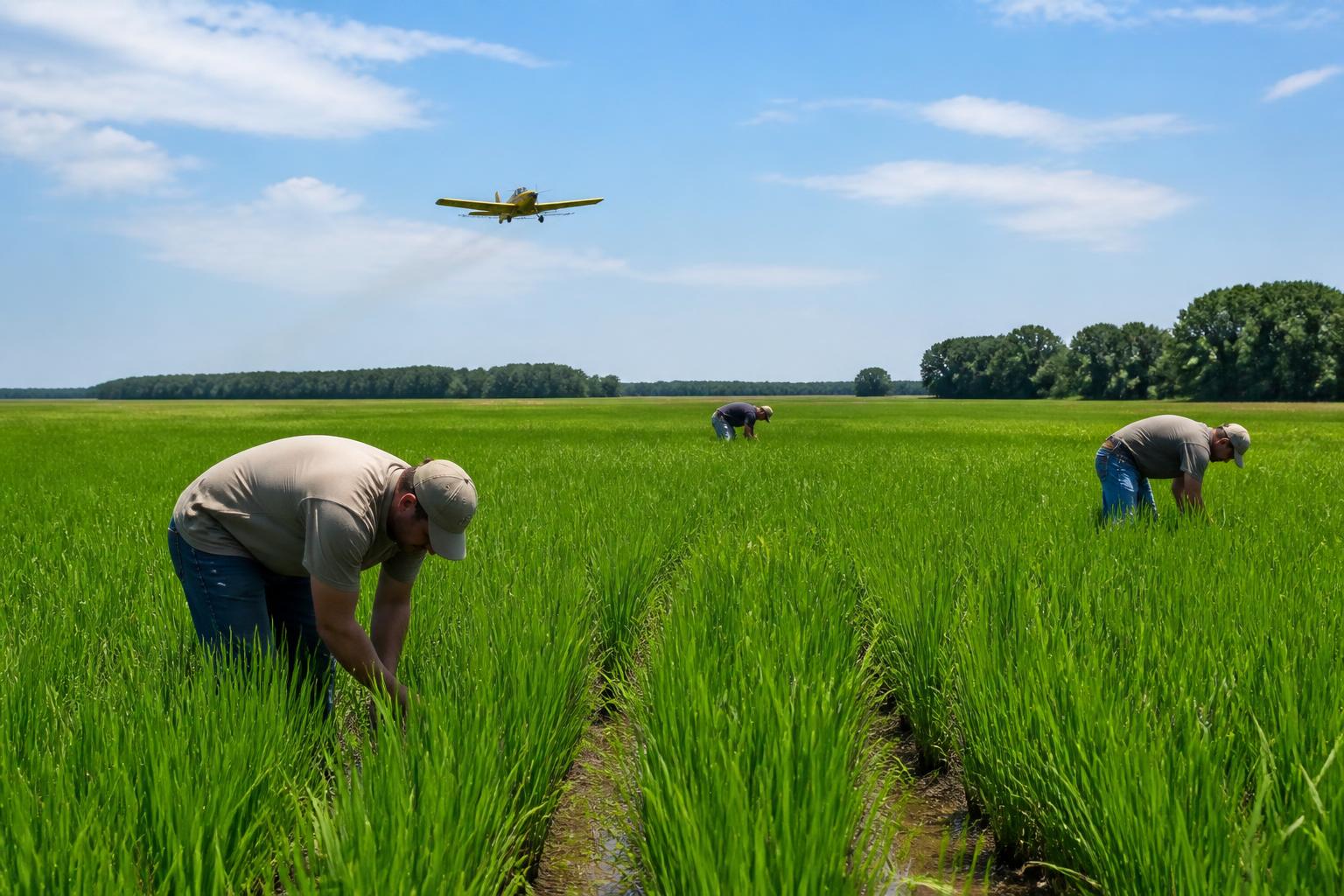
As we navigate the final stretch of August, Maryland agricultural operators are entering a period defined by overlapping field activities. In many parts of the state, particularly across the Eastern Shore, the visibility of low-flying aircraft has increased noticeably. These flights are part of essential late-summer efforts to establish cover crops, which are critical for soil health and nutrient management ahead of the winter months.
Navigating Increased Aerial Traffic
For growers and custom applicators, this window requires close coordination. If you are operating equipment or moving grain near fields where aerial seeding is underway, please account for the increased frequency of low-altitude flight paths. It is vital to maintain clear communication with neighboring operations to avoid potential conflicts with equipment or ground crews. As noted in recent Maryland harvest logistics discussions, field access remains a priority during this transition, and maintaining awareness of overhead operations is now a necessary component of daily field safety.
Refining Seasonal Logistics
The convergence of cover crop planting and preparations for the upcoming fall harvest creates a high-pressure environment for logistics managers. Managing labor shifts effectively is paramount during this window, as ensuring the right equipment is in the right place can significantly improve operational efficiency. Many producers are also continuing to monitor crop conditions and pest pressures, which may dictate the timing of equipment movement between fields. Readers looking to optimize their workflow should consider the implications of current grain logistics and labor trends, which continue to evolve as we approach the peak of the season.
What it means for the market
For Maryland agribusinesses, this period is about balancing immediate field maintenance with long-term infrastructure readiness. Increased aerial activity is a clear indicator that the industry is leaning into fall preparation. By staying alert to local flight advisories and maintaining robust communication with transport providers, stakeholders can mitigate the risks of operational delays, ensuring that the transition from late-summer maintenance to full-scale harvest remains steady and secure.
Comments
No comments yet - be the first to share your take.