
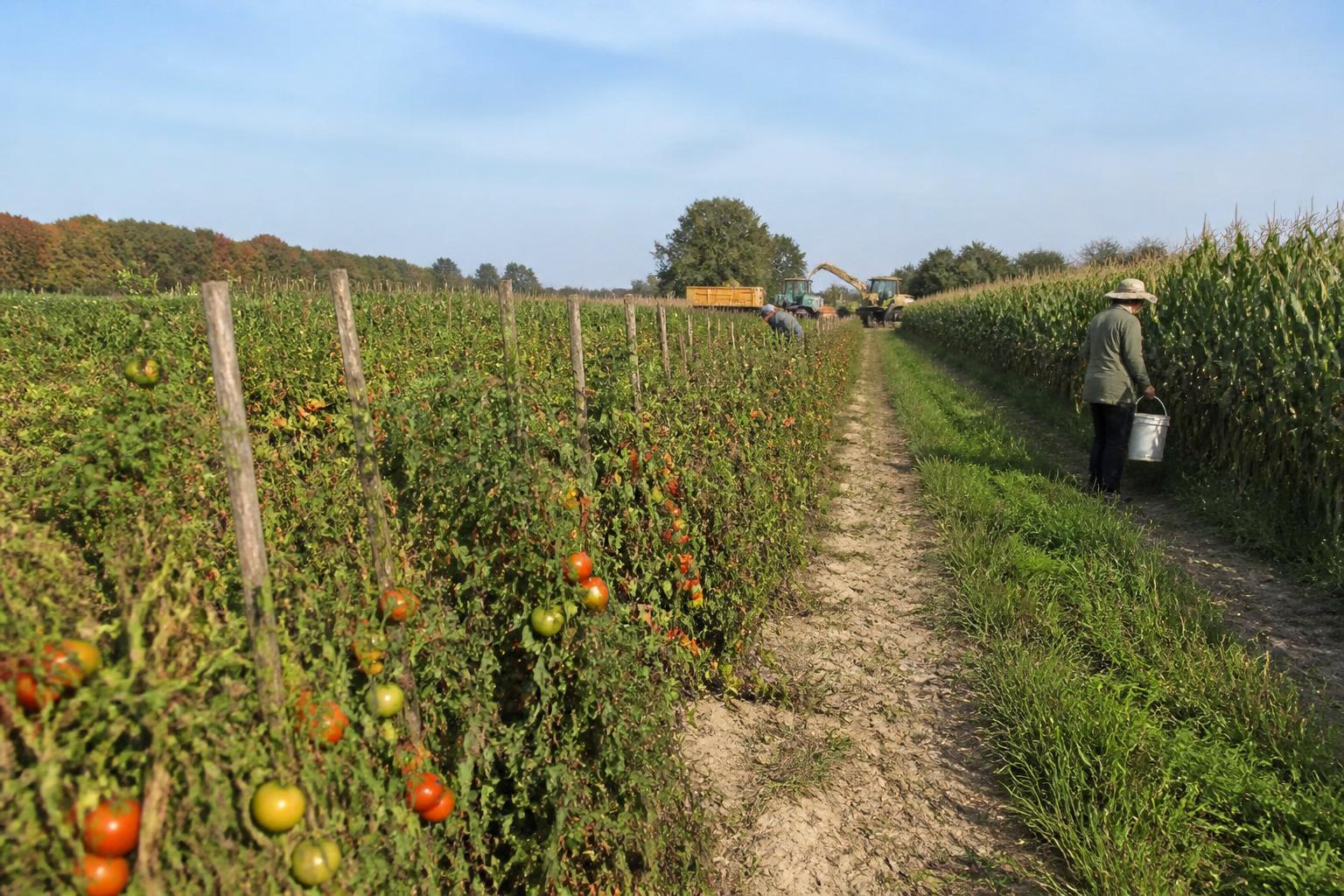
As the state moves deeper into the fall season, Florida producers are recalibrating their grain marketing and operational plans. Market volatility continues to be a central theme, with growers increasingly turning to structured marketing programs to navigate price fluctuations. Effectively managing these signals is critical for those looking to hedge against uncertainty in the broader Florida grain market.
Operational resilience remains a top priority following recent environmental challenges that have tested the regional supply chain. While many growers continue to refine their approaches to input management, the integration of new technology is providing additional tools to help maintain productivity. Industry stakeholders are also focusing on long-term sustainability, with initiatives like expanded barn owl networks demonstrating a commitment to integrated pest management across large-scale operations.
Adapting to a Shifting Production Landscape
The agricultural sector in Florida faces a dual challenge: maintaining output while contending with input cost sensitivities. Research and extension services, such as those from UF/IFAS, are increasingly emphasizing precision irrigation and nutrient management. By reducing reliance on inputs that are subject to supply-side constraints, growers can improve their margins despite broader market pressures. This strategic focus on input volatility is helping many operations stabilize their bottom line in a complex economic environment.
Logistics and Market Connectivity
Logistics remain a critical component for Florida agribusinesses, particularly when coordinating the movement of crops from fields in the interior to major transit corridors. As harvest activities ramp up in certain regional pockets, maintaining efficient transport networks is essential to prevent bottlenecks. Local handlers are encouraged to maintain close communication with logistics partners to ensure that grain storage and transport capacity align with seasonal output levels.
What it means for the market: Producers who prioritize data-driven marketing programs and invest in operational efficiency are better positioned to weather current market uncertainties. As we progress through the fall, watch for adjustments in regional grain storage utilization and input procurement patterns as growers prepare for the upcoming cycle.
Comments
No comments yet - be the first to share your take.