
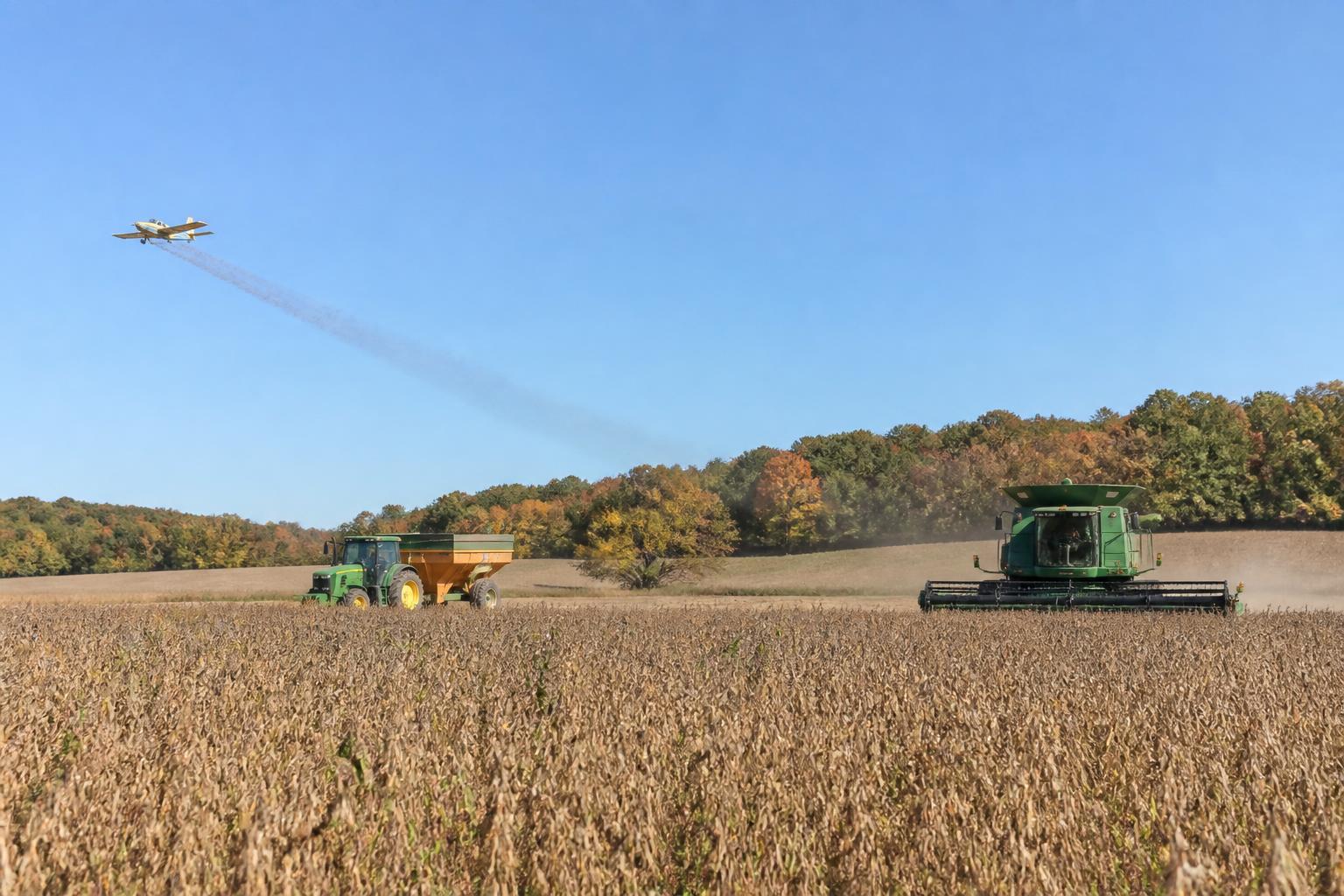
Adapting to a Shifting Trade Landscape
As the fall season takes hold, Washington producers are recalibrating their strategies amid a complex web of international trade adjustments. Ongoing discussions regarding export agreements and evolving tariff policies continue to influence how regional grain handlers approach the upcoming harvest. For many, staying informed on export dynamics and global trade shifts remains a priority to ensure consistent market access for high-quality regional crops.
Producers are also closely monitoring broader agricultural policies that may impact the safety net. Advocacy efforts to protect crop insurance and strengthen Title I programs are critical, as growers seek to hedge against volatility while managing the rising costs associated with input logistics and fertilizer supply chains. Understanding these macro-factors is essential for Washington growers as they navigate shifting trade dynamics throughout the state.
Logistical Readiness and Field Management
Logistics in Washington often demand a high level of coordination during the busy harvest months. From the Port of Quincy to major highway corridors, efficient grain movement relies on seamless transitions between road and rail. Operators are encouraged to maintain proactive communication with elevators and carriers to avoid bottlenecks during peak activity. In various agricultural sectors, those looking to buy grain in Washington are finding that supply chain stability, supported by regional infrastructure improvements, remains a key focus for local agribusinesses.
Key Takeaways
- Monitor updates on international trade deals that impact specific commodity demand.
- Engage early with logistics providers to secure capacity during the height of the fall transport season.
- Review current farm safety net protections as policy discussions continue at the federal level.
What it means for the market: The current environment requires a dual focus on operational efficiency and policy awareness. As the state moves further into the harvest window, producers who prioritize early logistical planning and keep a close eye on shifting global export requirements will be best positioned to manage the risks and opportunities presented by this season's market conditions.
Comments
No comments yet - be the first to share your take.