
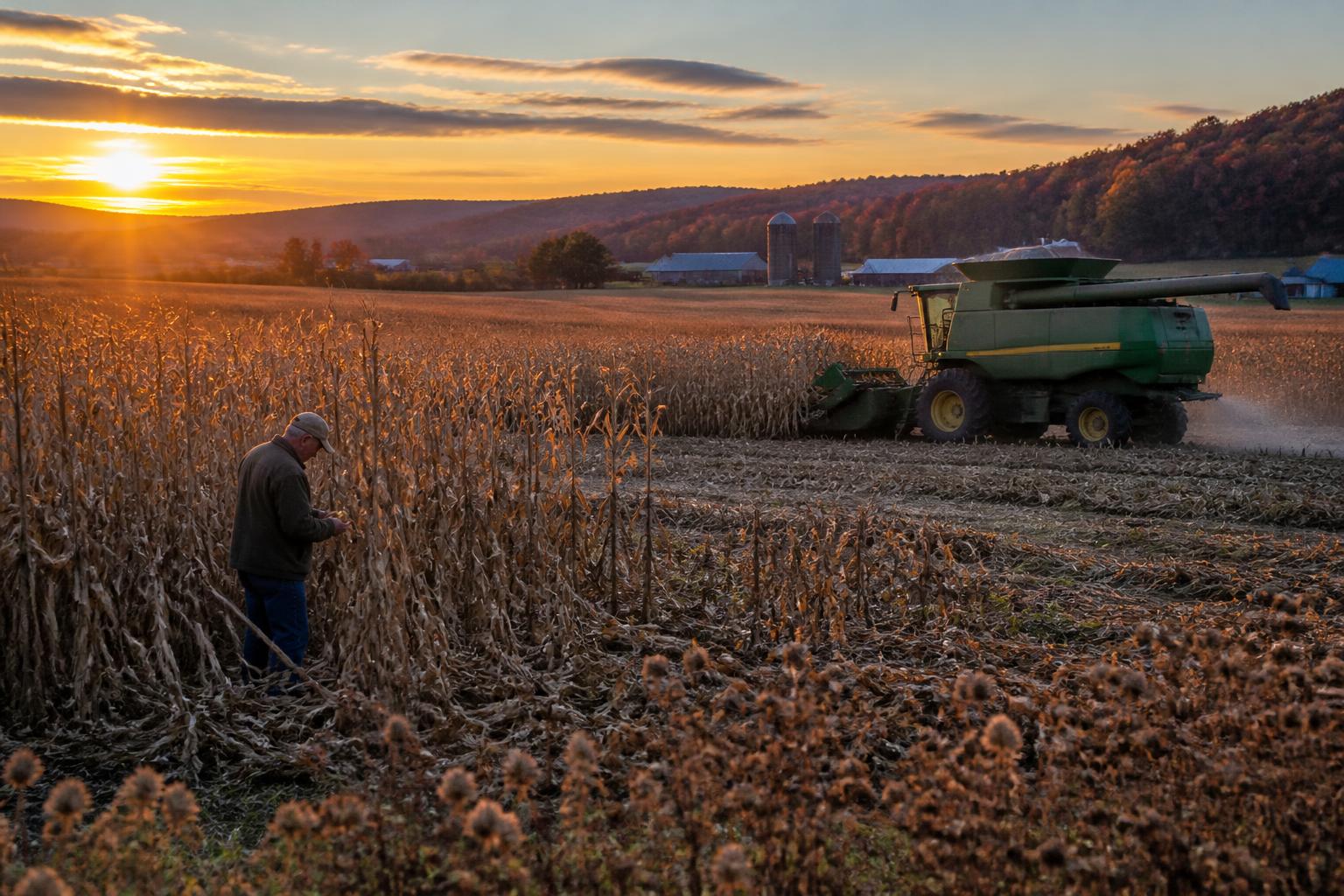
As we transition into the fall harvest season across New Hampshire, producers are increasingly tasked with balancing operational efficiency against a shifting regulatory landscape. The convergence of recent updates to state-level pesticide rules and ongoing discussions regarding land management is shaping how growers approach their seasonal planning. Understanding these market-impacting regulatory shifts is essential for farmers managing fields from the Merrimack Valley to the North Country.
For those looking to optimize their outcomes, staying informed remains a primary defense against uncertainty. Whether you are navigating the complexities of state environmental oversight or refining your grain marketing strategy, current market conditions demand a proactive stance. Recent research into soil sustainability, supported by institutional grants, underscores the long-term value of adopting practices that align with both environmental stewardship and economic viability.
Refining Your Marketing Strategy
Successful grain management is rarely the result of a single decision. Growers in New Hampshire are finding that integrating technical price monitoring with consistent supply chain oversight can provide a buffer against volatility. As you prepare your harvest for storage or distribution, consider how recent land-use trends may impact your operational overhead this quarter.
Adapting to a Changing Regulatory Landscape
With state boards currently weighing adjustments to pesticide protocols, it is wise for producers to stay engaged with local guidance to ensure compliance throughout the harvest. Furthermore, as regional agricultural policy continues to evolve, being aware of the broader regulatory climate can help prevent unexpected bottlenecks in your supply chain. Familiarity with current immunity laws regarding land management can also provide a measure of clarity for many agribusinesses across the state.
Key Takeaways
- Monitor state-level updates on pesticide application rules as the harvest window narrows.
- Leverage soil sustainability research findings to optimize input costs for future cycles.
- Maintain clear communication with local storage facilities to account for regional capacity fluctuations.
What it means for the market: Producers who prioritize regulatory awareness alongside technical marketing discipline will likely be better positioned to navigate the challenges inherent in this fall season. As we look ahead, the ability to adapt to both environmental and legislative shifts will remain a critical differentiator for successful grain operations in New Hampshire.
Comments
No comments yet - be the first to share your take.