
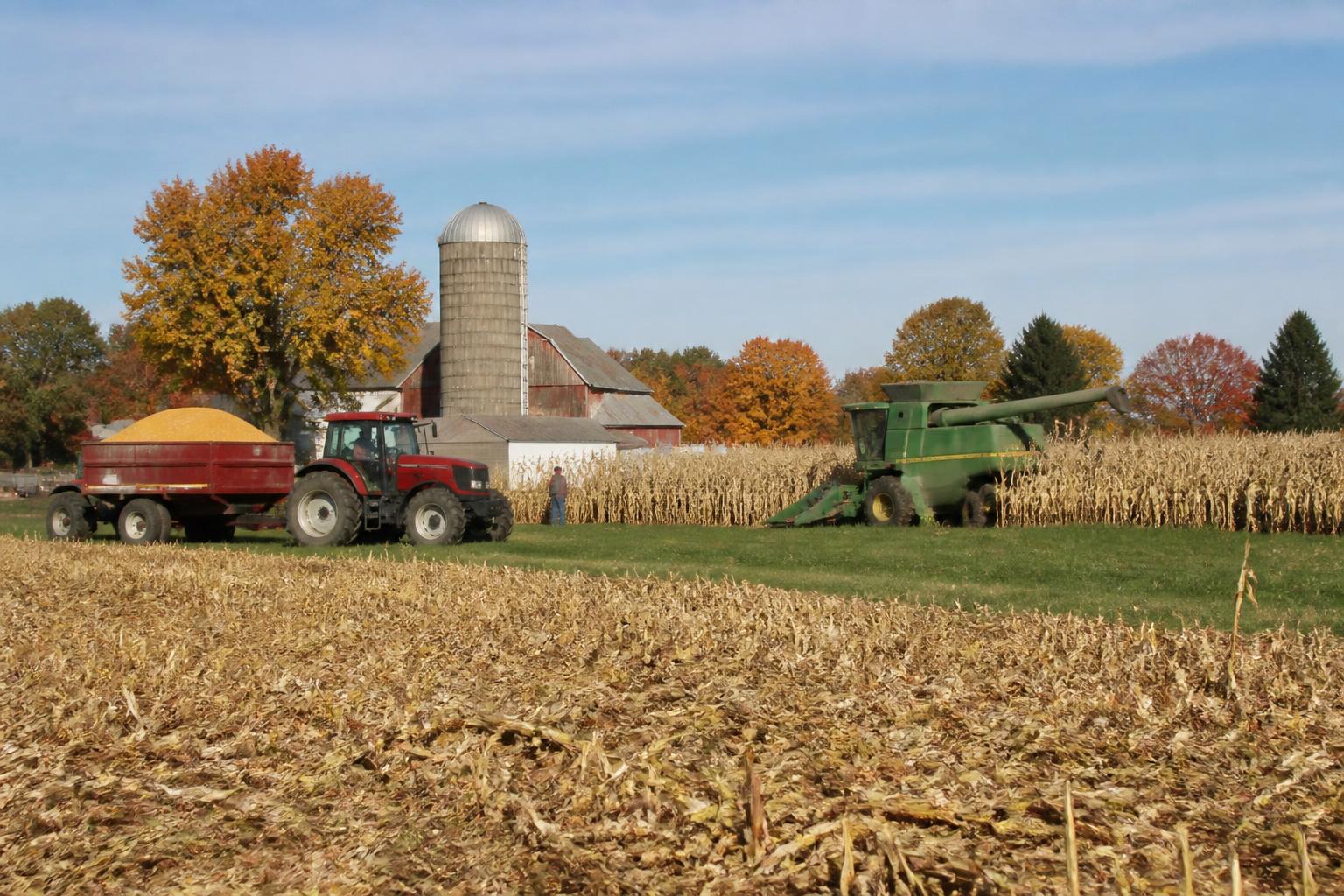
As Michigan fields move toward full-scale harvest, agricultural producers across the state are focusing on the intersection of crop output and the logistical capacity required to move it. For grain elevators and processing facilities in key regions, this period often represents a test of regional infrastructure. While recent updates to local flour milling capacity have been welcomed by the industry, maintaining a steady flow remains a priority for those looking to maximize the value of their fall yields.
Infrastructure and Market Access
Efficient movement of grain is critical, especially when balancing regional production with national market demands. In many parts of Michigan, the availability of specialized processing capacity acts as a vital anchor for growers. Recent investments in facilities, such as the expansion of milling operations, highlight the ongoing commitment to keeping grain value chains strong within the state. For many, these facilities provide a local alternative to long-haul logistics, which can face pressures during peak harvest windows.
Navigating Seasonal Logistical Realities
Logistical reliability often influences how farmers approach their marketing strategy. From the storage requirements of individual operations to the broader movement of commodities via rail and truck, staying ahead of potential bottlenecks is essential. Farmers are often encouraged to evaluate their grain marketing plans and storage needs early, as shifting seasonal demand and transportation limitations can impact local basis levels as bins begin to fill.
What it means for the market
For the Michigan agribusiness community, this fall underscores the necessity of proactive coordination between producers and end-users. With harvest pressure mounting, the synergy between available storage, local processing capacity, and the movement of grain will be the primary driver of market liquidity in the coming weeks. Growers who prioritize timely communication with their local grain handlers may find themselves better positioned to navigate the complexities of this year’s harvest window.
Comments
No comments yet - be the first to share your take.