
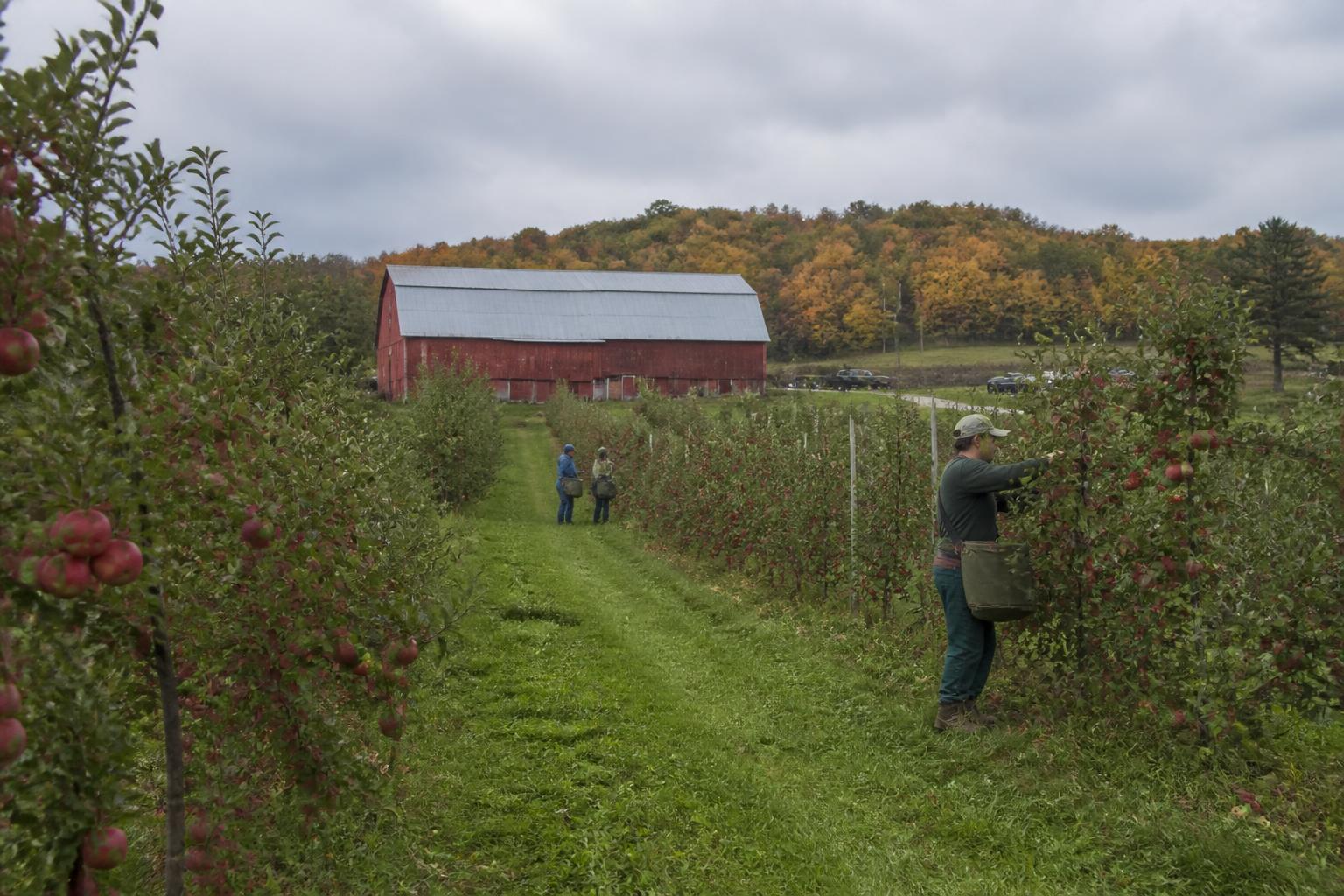
As Vermont enters the fall harvest season, the state agricultural landscape remains focused on optimizing internal supply chains to bolster long-term feed security. For grain handlers, producers, and local logistics partners, the shift in market dynamics emphasizes the importance of regional connectivity and the adoption of modern management strategies for selling grain in Vermont.
State-led initiatives, including the development of an online livestock feed marketplace, are providing new avenues for producers to manage inventory more efficiently. This infrastructure shift aims to bridge the gap between growers and dairy operations, which have historically faced volatility in supply chain access and pricing. By streamlining these local networks, stakeholders are better positioned to mitigate the risks that often characterize regional agricultural commerce.
Modernizing Logistics and Infrastructure
Beyond digital marketplaces, physical infrastructure continues to see targeted investment. Strategic collaborations, such as recent agreements involving renewable energy projects, are helping to integrate modern technology into Vermont's ag-logistics framework. These improvements are critical for those navigating the state's unique rural landscape, where efficient movement of inputs and outputs can significantly impact profitability.
For transport operators and elevator managers, staying updated on shifts in Vermont ag logistics is essential for maintaining a competitive edge. As harvest volumes increase, the ability to adapt to variable seasonal conditions—from navigating tight rural road networks to coordinating with local processing hubs—remains a core competency for successful agribusinesses.
Strengthening Regional Resilience
Market analysts note that the focus on value-added dairy and localized feed sourcing is creating a more resilient ecosystem. Farmers looking to diversify or optimize their operations are finding that leveraging these regional, state-supported platforms helps reduce dependence on external volatility. As part of a broader strategy for navigating seasonal shifts in ag market access, producers are encouraged to monitor these developments closely to ensure their harvest and distribution schedules align with local market demand.
What it means for the market
The current market environment in Vermont is characterized by a push toward vertical integration and technological adoption. For producers and logistical players, this suggests a move toward more predictable, localized supply chains. While challenges in dairy production and input costs persist, the emergence of digital feed markets and modernized infrastructure projects provides a framework to capture more value closer to home this fall.
Comments
No comments yet - be the first to share your take.