
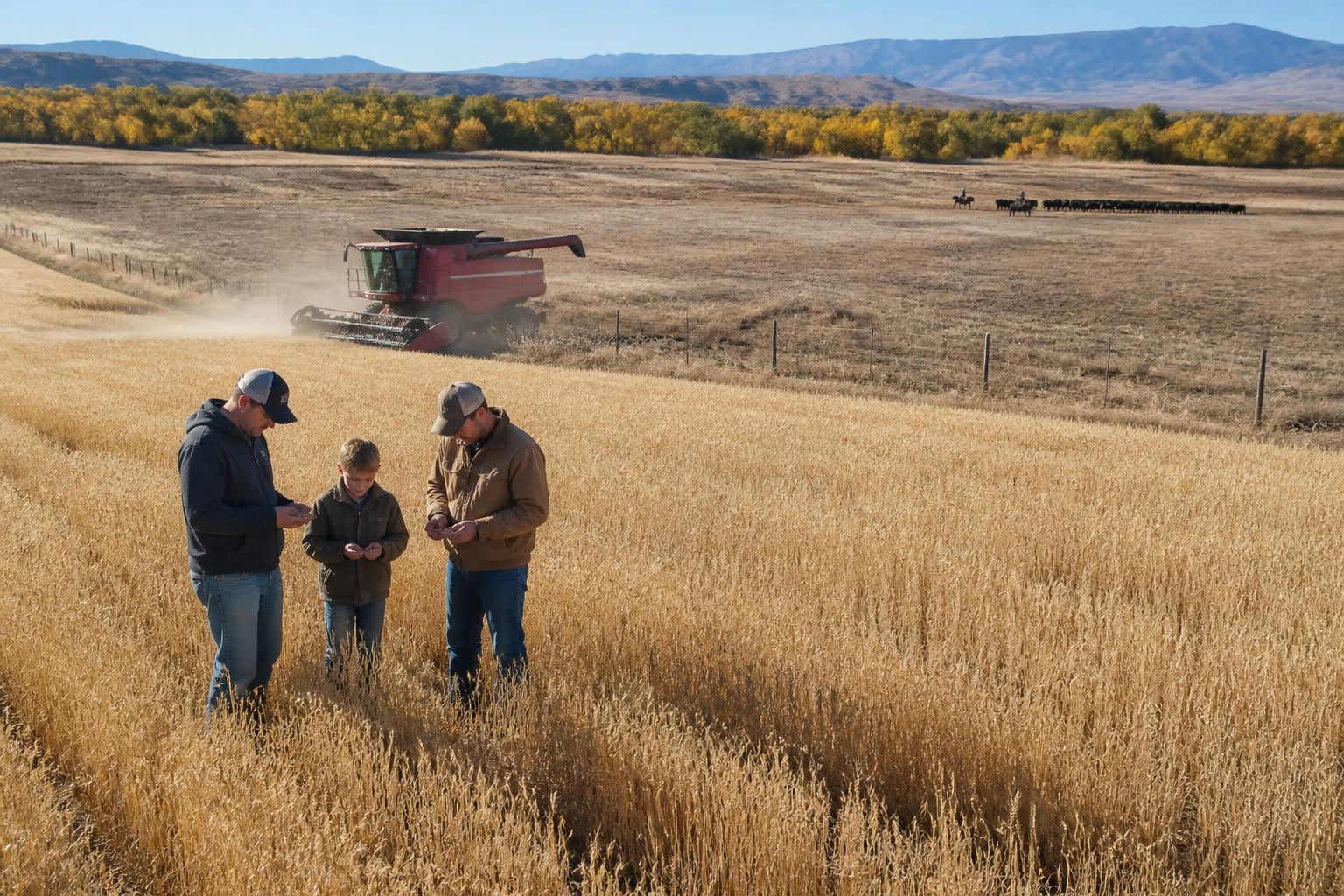
As the fall harvest season moves into full swing across Wyoming, the agricultural landscape remains defined by a persistent push toward operational efficiency. For many producers in the state, the primary challenge remains navigating elevated input costs, which continue to outweigh concerns over broader trade policies or tariff volatility. The focus for grain handlers and farmers alike is currently set on managing the bottom line while navigating the logistics of a maturing crop cycle.
Local producers are reporting that the need to optimize resource allocation is more critical than ever. In areas such as the Platte River basin, ongoing efforts to manage invasive weeds and stabilize water usage remain essential components of maintaining yield consistency. As Wyoming producers pivot toward efficiency to combat these fiscal headwinds, the integration of new crop varieties and updated irrigation strategies is becoming increasingly common in regional management plans.
Harvest Logistics and Regional Pressures
The current harvest is also being shaped by varied moisture levels across the state. In some districts, drought-stressed wheat has required more careful handling and moisture monitoring, adding another layer of complexity to storage and transport decisions. As teams move equipment between fields, the regional grain infrastructure is seeing a standard seasonal uptick in activity, though operators remain cautious regarding long-term storage capacity.
Market participants are closely watching the Wyoming harvest outlook as logistics networks prepare for the influx of late-season grain. While farmland values have shown signs of stabilizing after a period of rapid appreciation, the primary concern for most agribusinesses remains the ability to secure affordable inputs for the upcoming planting cycle, rather than fluctuations in land value alone.
What it means for the market
For grain elevators, transporters, and input suppliers, the immediate outlook is one of tactical caution. Farmers are likely to remain highly selective in their purchasing behavior, favoring high-efficiency inputs that offer a clear return on investment. With the harvest underway, maintaining high throughput and minimizing handling losses will be the key indicators of success for local logistics providers as they navigate the remainder of the season.
Comments
No comments yet - be the first to share your take.