
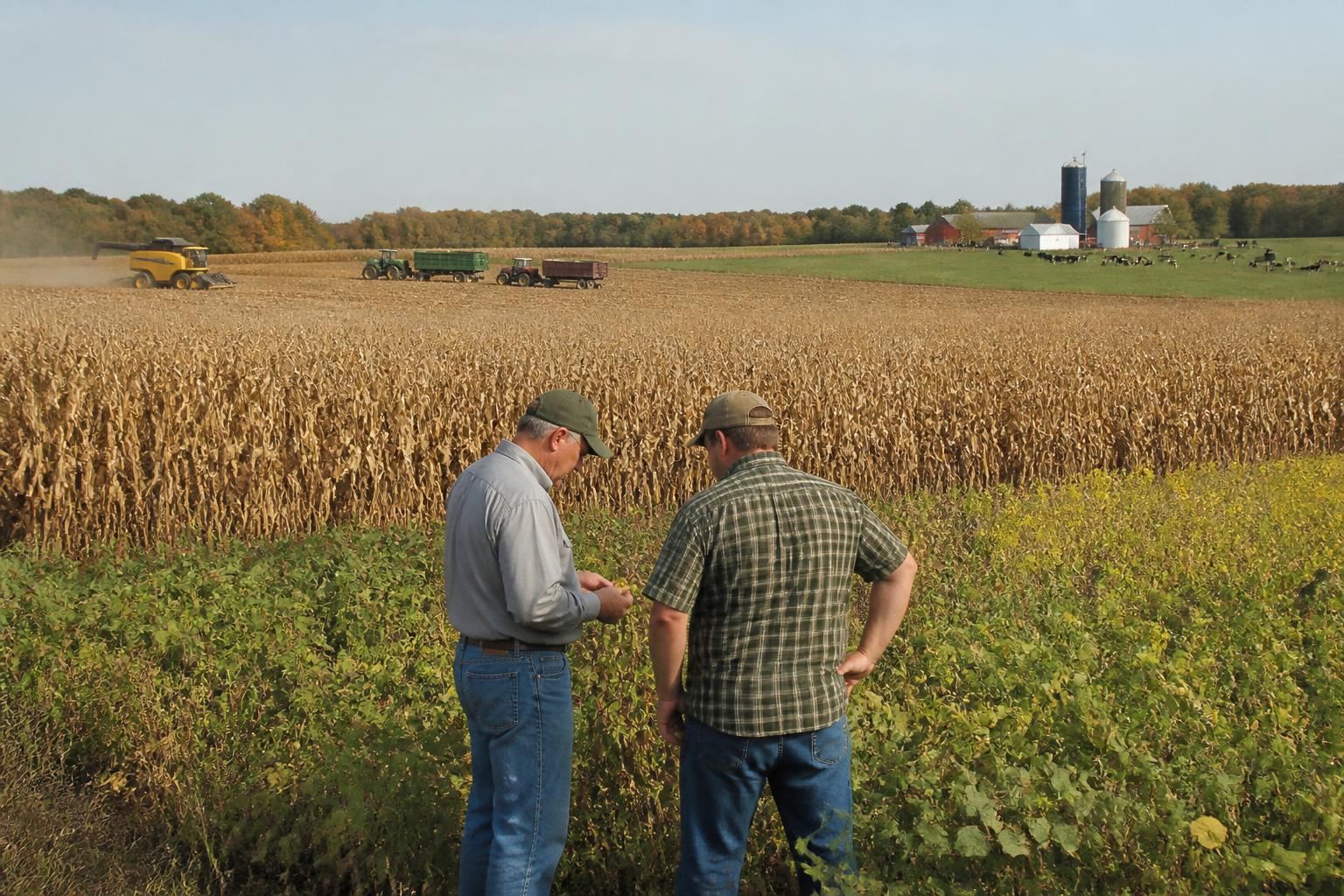
With the arrival of September, Maine farmers are shifting focus toward harvest logistics. Whether managing local grain rotations or evaluating new crop alternatives, the transition into the fall season requires a disciplined approach to storage and field readiness. For those working across the state’s agricultural corridors, ensuring infrastructure is prepared for incoming yields is the first step toward a successful close to the season.
Effective grain storage and bin preparation remain central to maintaining crop quality as harvest gains momentum. Properly cleaning bins and checking moisture sensors can help prevent unnecessary spoilage during the busy weeks ahead. In addition to storage, producers are encouraged to monitor field conditions closely to optimize harvest timing and reduce post-harvest losses.
Soil Health and Long-Term Strategy
Beyond the immediate harvest, this window of time is ideal for assessing soil health. Utilizing consistent soil sampling methods can provide the baseline data needed for future nutrient management plans. By understanding the specific needs of their land, growers can better navigate fluctuating input costs while fostering long-term resilience in their operations. As regional weather patterns continue to evolve, proactive field management serves as a critical buffer against unforeseen variables.
What it means for the market
For Maine agribusinesses and grain handlers, the focus for the remainder of the month should be on streamlining logistics and securing necessary supplies. Maintaining open communication with carriers and local elevators can alleviate bottlenecks during the peak of harvest. Prioritizing equipment maintenance today will help ensure that operations run smoothly as regional output reaches the market, ultimately supporting more stable margins through the fall months.
Comments
No comments yet - be the first to share your take.