
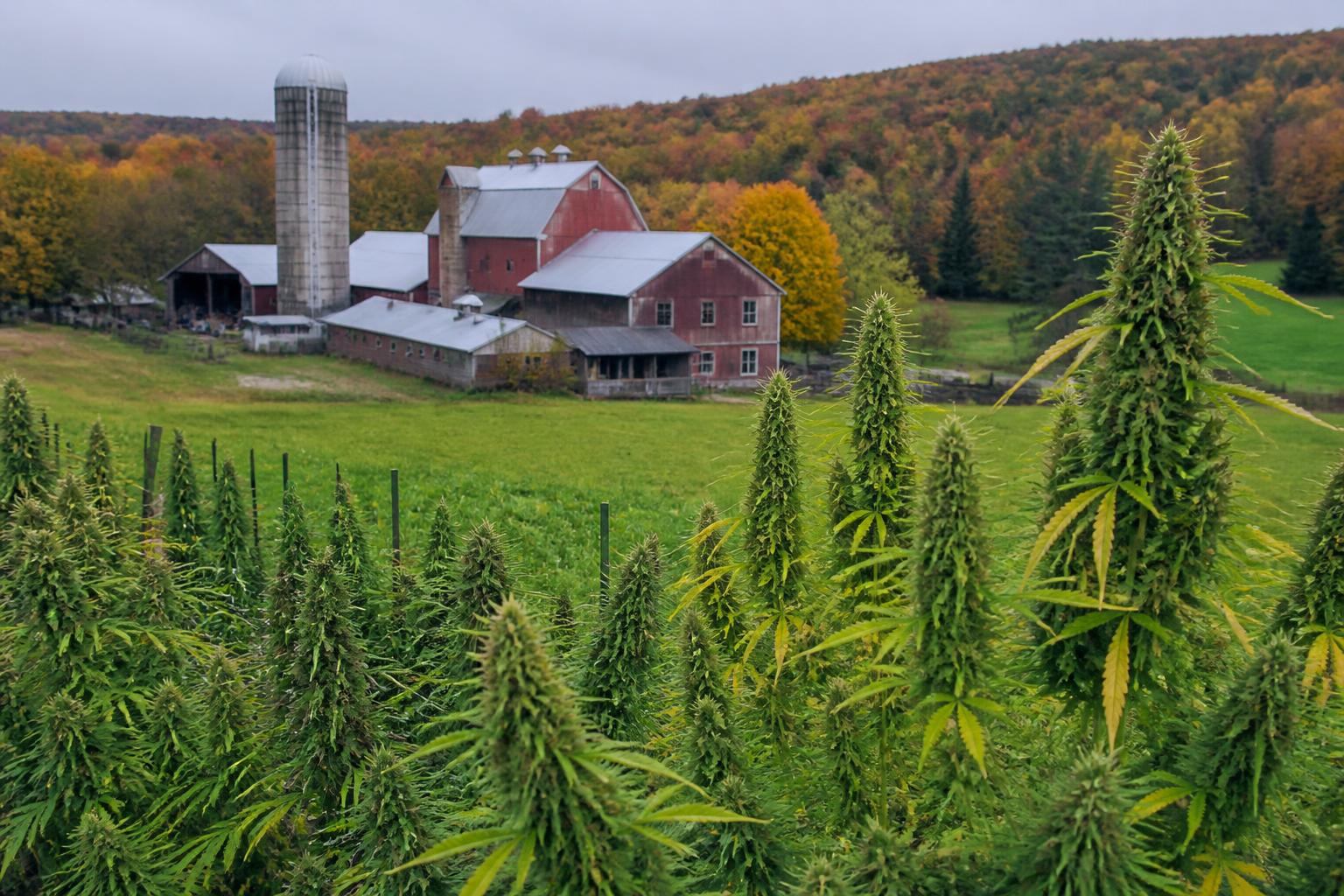
As Vermont transitions into the fall season, the state's agricultural community continues to show significant signs of structural change. While traditional dairy operations face long-standing headwinds, producers across the region are increasingly looking toward diversification and modernization to maintain viability. From the Champlain Valley to the Northeast Kingdom, farms are testing the limits of traditional business models, turning toward specialized crops and capital-intensive technological upgrades to secure their future.
Diversification and Technological Investment
The movement toward crop diversification is becoming more pronounced, with farms in areas like South Hero and Peacham venturing into commercial hemp production and other alternative commodities. This shift often reflects a broader effort to mitigate the risks associated with market fluctuations. Simultaneously, dairy farms are increasingly adopting advanced automation and data-driven management tools to boost efficiency, an essential step as navigating ag logistics and evolving market demands becomes a primary focus for long-term survival.
Regulatory Pressures and Resource Access
Beyond the field, the regulatory environment remains a dominant theme. Producers are closely monitoring how federal compliance standards, particularly regarding environmental mandates, impact operational costs. The state agency has noted a surge in interest for meat and produce grants, signaling that many farmers are seeking support for infrastructure improvements to meet evolving supply chain requirements. This heightened demand highlights the ongoing challenges of navigating supply chain volatility in a state where small-scale operations remain the backbone of the industry.
What it means for the market
For grain handlers, input buyers, and equipment dealers, these trends signal a period of cautious capital expenditure. As farmers prioritize technology that reduces labor reliance and improves yield per acre, the demand for precision equipment and specialized support services is likely to persist. While the overall economic climate remains sensitive, those who can offer scalable solutions for smaller, diversified operations may find more consistent opportunities than those relying on legacy business models alone.
Comments
No comments yet - be the first to share your take.