
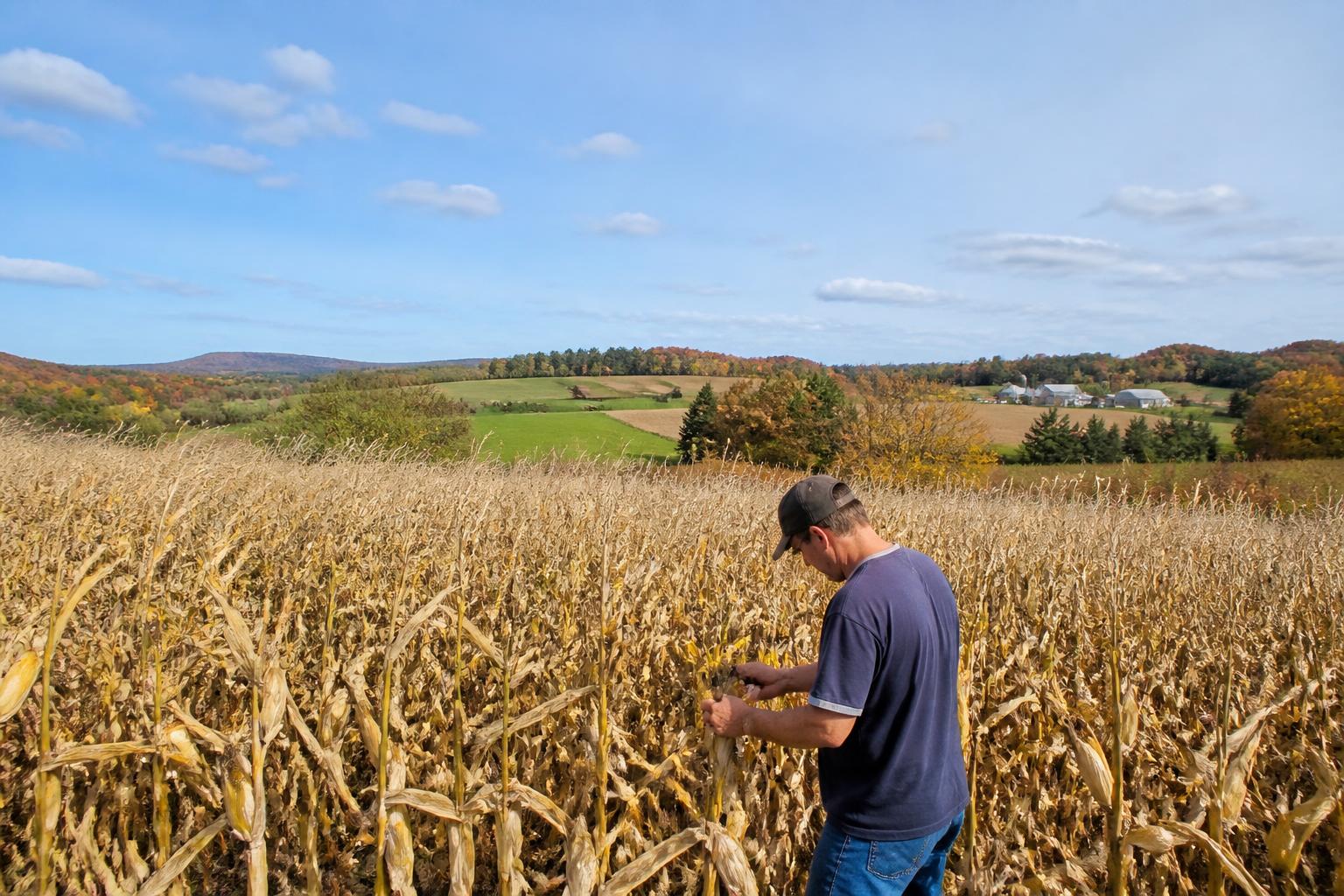
For many producers across Pennsylvania, the fall season brings a critical window for soil management and input planning. As growers look toward the next production cycle, the landscape for synthetic fertilizers remains influenced by broader economic forces that can impact farm-gate costs. In regions like Lancaster and the surrounding agricultural counties, the focus has increasingly shifted toward balancing traditional applications with long-term cost-containment strategies.
Evaluating Alternative Nutrient Streams
In response to fluctuating input expenses, interest in on-farm nutrient management continues to grow. Some producers are exploring unconventional approaches to nitrogen management, aiming to maintain yields while mitigating reliance on synthetic products. These strategies often involve a more rigorous analysis of existing soil nutrient levels and the integration of diverse crop rotations, which may help improve overall soil health throughout the fall nutrient management cycle.
Leveraging Local Conservation Support
Beyond traditional market procurement, Pennsylvania farmers are increasingly turning to state-level programs to support sustainable land management. Opportunities such as the Resource Enhancement and Protection (REAP) tax credits provide a pathway for producers to offset the costs associated with conservation measures. Implementing these practices often serves a dual purpose: improving long-term land productivity and providing a hedge against the volatility frequently observed in national input markets.
Market Outlook and Planning
The convergence of land preservation initiatives and shifting supply chain dynamics suggests that Pennsylvania agribusinesses are entering a period of strategic recalibration. As local leaders continue to engage with industry stakeholders regarding supply stability, the emphasis for the upcoming season remains on efficiency and the careful assessment of late-season fertilizer procurement paths. Growers are advised to maintain close contact with regional cooperatives and extension services to stay updated on shifting availability and local pricing trends.
What it means for the market
Producers should expect a continued trend of diversification in nutrient sourcing. By prioritizing soil testing and taking advantage of state-supported conservation incentives, farmers can better insulate their operations from the price instability that often characterizes the broader agricultural input sector. Consistent monitoring of local logistics and supplier inventory will remain essential as the fall season progresses.
Comments
No comments yet - be the first to share your take.