
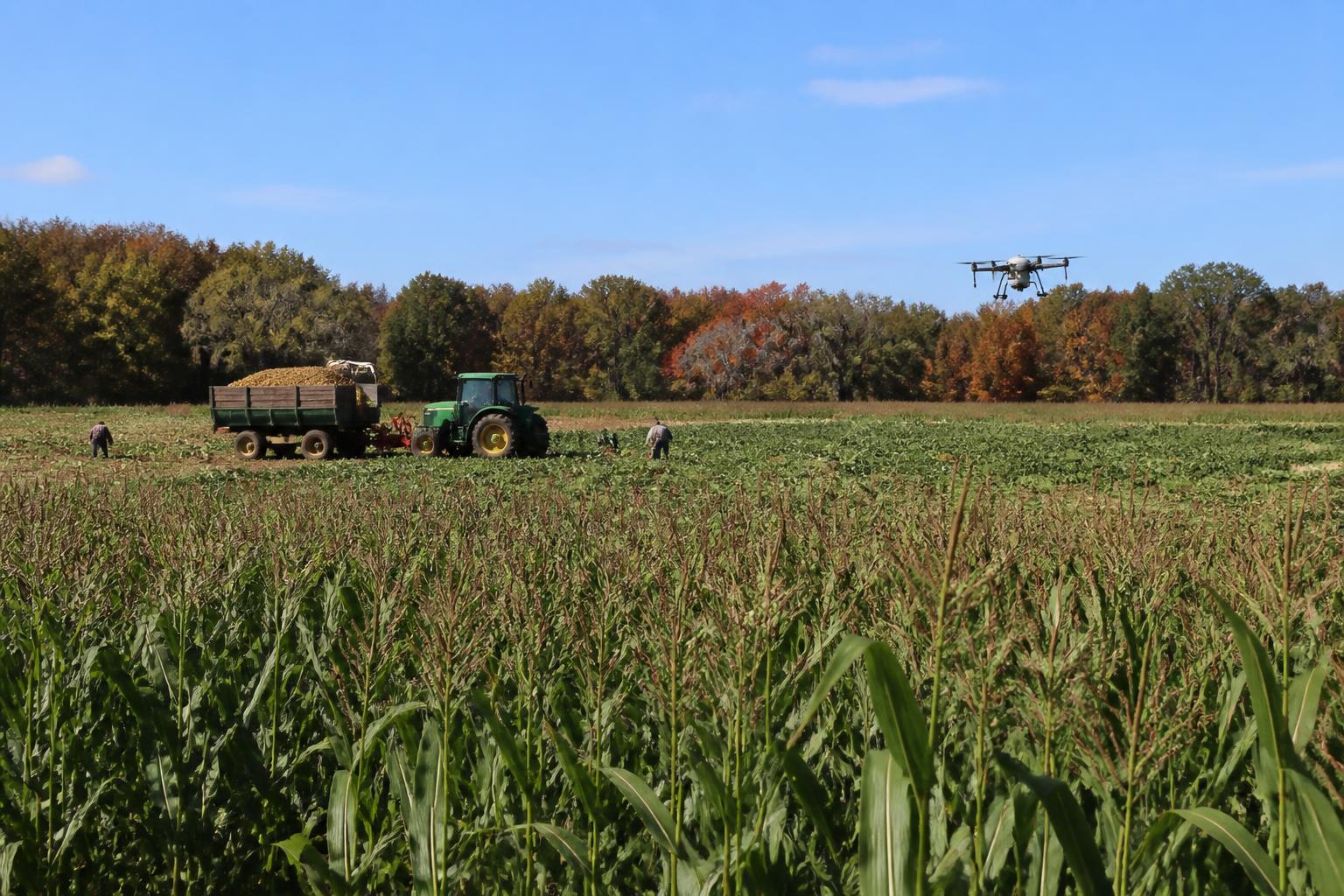
As the fall harvest season approaches in Florida, the focus for many growers and agribusinesses shifts toward the robustness of local supply chains. Ensuring that regional produce moves efficiently from fields in the central and southern parts of the state toward packing facilities and distribution centers remains a top priority for operators navigating the unique logistical demands of the Florida peninsula.
Infrastructure and Logistics Resilience
Recent developments in the state's infrastructure highlight a broader effort to bolster agricultural and emergency supply capabilities. With the state designating substantial funds for defense and aerospace workforce infrastructure, the ripple effect often creates opportunities for auxiliary logistics and transport sectors. For grain handlers and specialty crop producers, this investment can mean more reliable transit corridors as heavy vehicle traffic intensifies during the peak of the fall shipping season.
Furthermore, the ongoing expansion of logistics firms within the state suggests a growing capacity to manage the complex needs of Florida's agricultural sector. Efficient transport is critical for stakeholders involved in managing Florida grain market fluctuations and ensuring that high-value specialty crops remain competitive in national markets.
Market Outlook and Operational Strategy
For many agribusinesses, the shift in seasons is a time to evaluate operational resilience. While the market often remains sensitive to weather variability, the focus for the coming months is on maintaining steady movement of goods. Understanding the interplay between local logistics and broader market forces is essential for staying ahead of potential bottlenecks. Operators are advised to keep a close watch on regional trucking capacity, as demand typically rises during this period of the year.
Strategic planning around storage and staging is also coming to the forefront. With the state investing in large-scale facilities to serve as supply hubs, regional handlers may see long-term benefits in how inventory is managed and staged for distribution, reducing the strain on short-term transit windows.
Key Takeaways for Producers
- Monitor regional trucking updates as the fall shipping peak begins to influence spot rates.
- Review storage capacity and staging locations in anticipation of increased volume.
- Leverage local logistics partnerships to mitigate potential delays in the supply chain.
What it means for the market: The current logistics landscape in Florida points toward a period of consolidation and capacity building. For farmers and grain handlers, this means that while volatility remains a standard challenge, those who align with robust, locally focused transport networks are better positioned to weather seasonal pressures and capitalize on market demand.
Comments
No comments yet - be the first to share your take.