
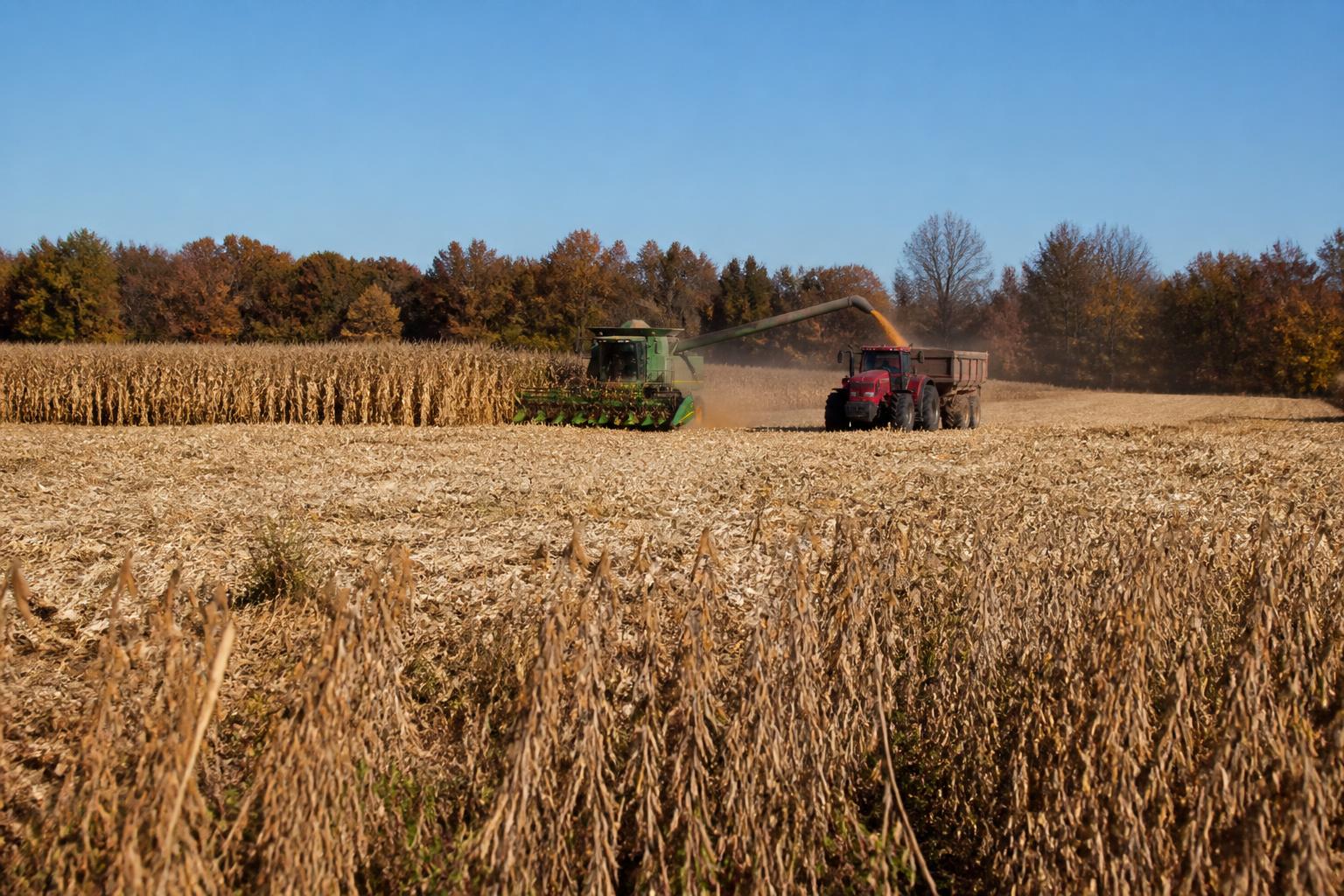
As Ohio farmers prepare for the upcoming harvest, the grain market landscape remains sensitive to recent shifts in national production estimates. The latest USDA data revisions for corn and soybeans have injected a fresh layer of caution into local pricing discussions, forcing growers and elevator operators alike to reassess their marketing strategies as field activity begins to ramp up across the state.
For those managing inventory, understanding how these supply adjustments impact regional basis is critical. While some producers have focused on the potential for market volatility, others are keeping a close eye on local logistics and the capacity of regional grain handlers to manage intake. Whether you are looking to buy grain in Ohio or planning your end-of-season sales, aligning with current market fluctuations is a priority.
Refining Marketing Amidst Volatility
In regions across Western Ohio, recent trends in land values and cash rent have underscored the importance of diligent financial planning. With shifting production estimates, many agribusinesses are revisiting their Ohio grain market adjustments to ensure that their risk management remains robust. The current environment does not favor impulsive decisions; rather, it rewards those who maintain clear communication with their local cooperatives and grain elevators.
Managing Seasonal Risk
As we move deeper into the fall, unpredictable weather events continue to be a variable in regional yield outcomes. Historical patterns in southern Ohio have shown that late-season conditions, including unexpected frost, can have immediate effects on wheat and other crop viability. Farmers are encouraged to monitor local field conditions closely and consult with advisors to mitigate potential revenue impacts before the crop is fully secured in the bin.
What it means for the market
The convergence of national production adjustments and local logistical realities means that Ohio producers should prioritize storage and marketing flexibility. As the harvest progresses, maintaining a clear view of both localized supply levels and broader pricing signals will be essential for navigating the remainder of the 2026 season effectively.
Comments
No comments yet - be the first to share your take.