
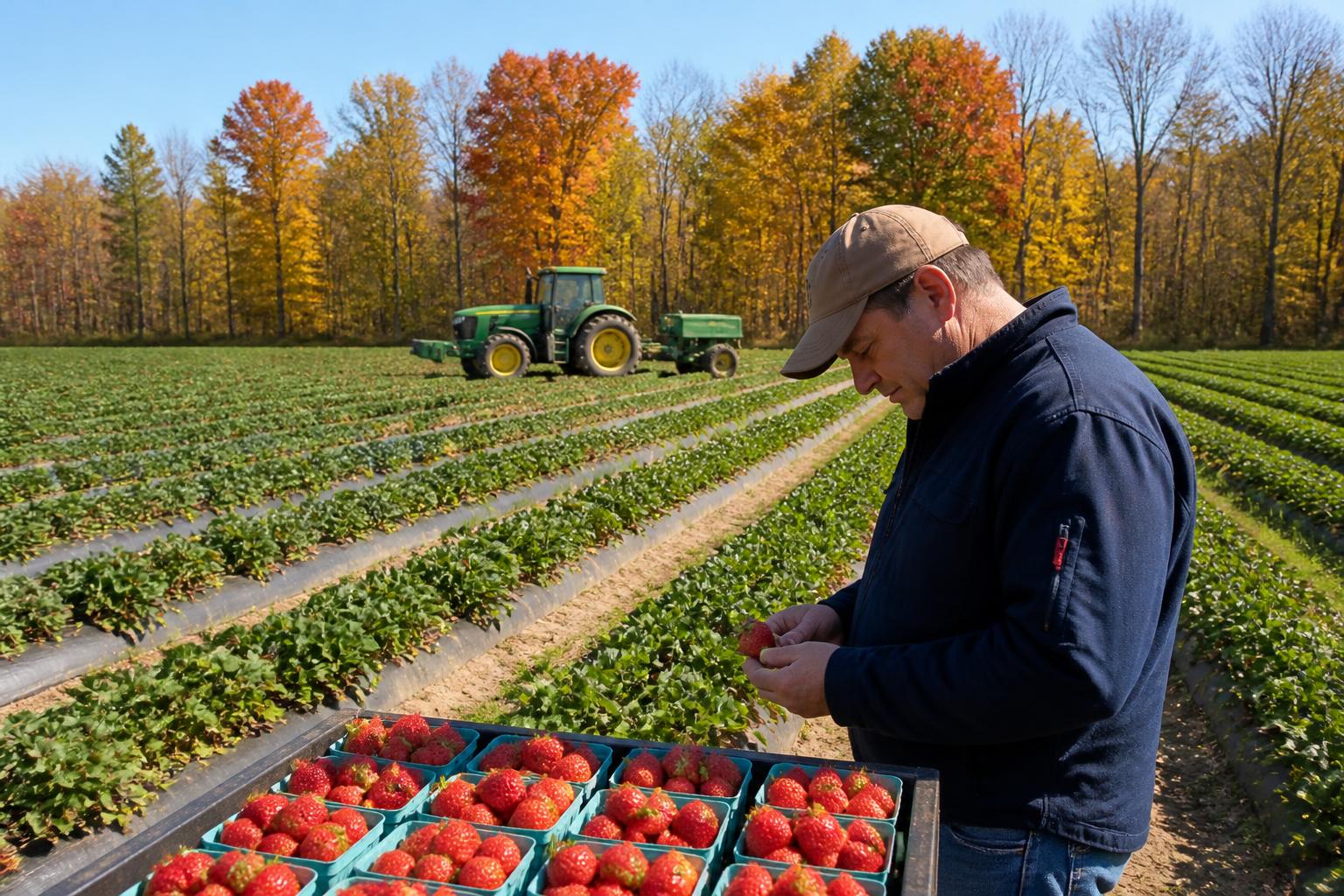
As the fall season takes hold across Florida, the state's diverse agricultural operations are contending with a complex array of market and environmental pressures. For producers, the current landscape requires a heightened focus on balancing long-term efficiency with the immediate demands of seasonal transition. From the muck soils where historical success has been built to the evolving needs of specialty crop management, local growers remain in a continuous loop of adaptation.
Technology adoption, including advanced field management systems, is increasingly viewed as a pathway to stability. While many farms are evaluating new ways to optimize their inputs and machinery, the regional focus often remains on maintaining resilient grain market outlooks amidst persistent volatility. Managing these cycles requires a careful approach to both storage capacity and transportation logistics to ensure that output reaches its destination efficiently despite regional supply chain constraints.
Adapting to Environmental and Market Realities
The intersection of agricultural activity and environmental stewardship remains a critical topic for Florida producers. In many coastal and inland regions, mitigating the impact of external factors on water quality and land health is essential for sustaining operations. This includes ongoing educational efforts and research-backed initiatives that aim to balance the needs of the shellfish industry with inland farming practices. Furthermore, the push for agricultural research, such as the development of new crop varieties tailored to the Florida climate, continues to provide farmers with tools to combat yield uncertainty.
Building Resilience in an Evolving Economy
Looking ahead, the broader economic context—including trade policy discussions and potential shifts in global supply chains—continues to influence the decision-making process for agribusinesses. Growers are frequently weighing the merits of long-term trade agreements, like those proposed for USMCA, against the immediate need for input security and cost control. As the sector navigates these headwinds, the focus remains on leveraging regional expertise and collaborative research to safeguard the heritage and future of Florida agriculture.
What it means for the market: For Florida farmers and grain handlers, the current environment underscores the importance of operational flexibility. Those who successfully integrate precision technology with robust logistics planning are better positioned to navigate both the seasonal shifts of autumn and the broader economic trends impacting the wider U.S. agricultural sector.
Comments
No comments yet - be the first to share your take.