
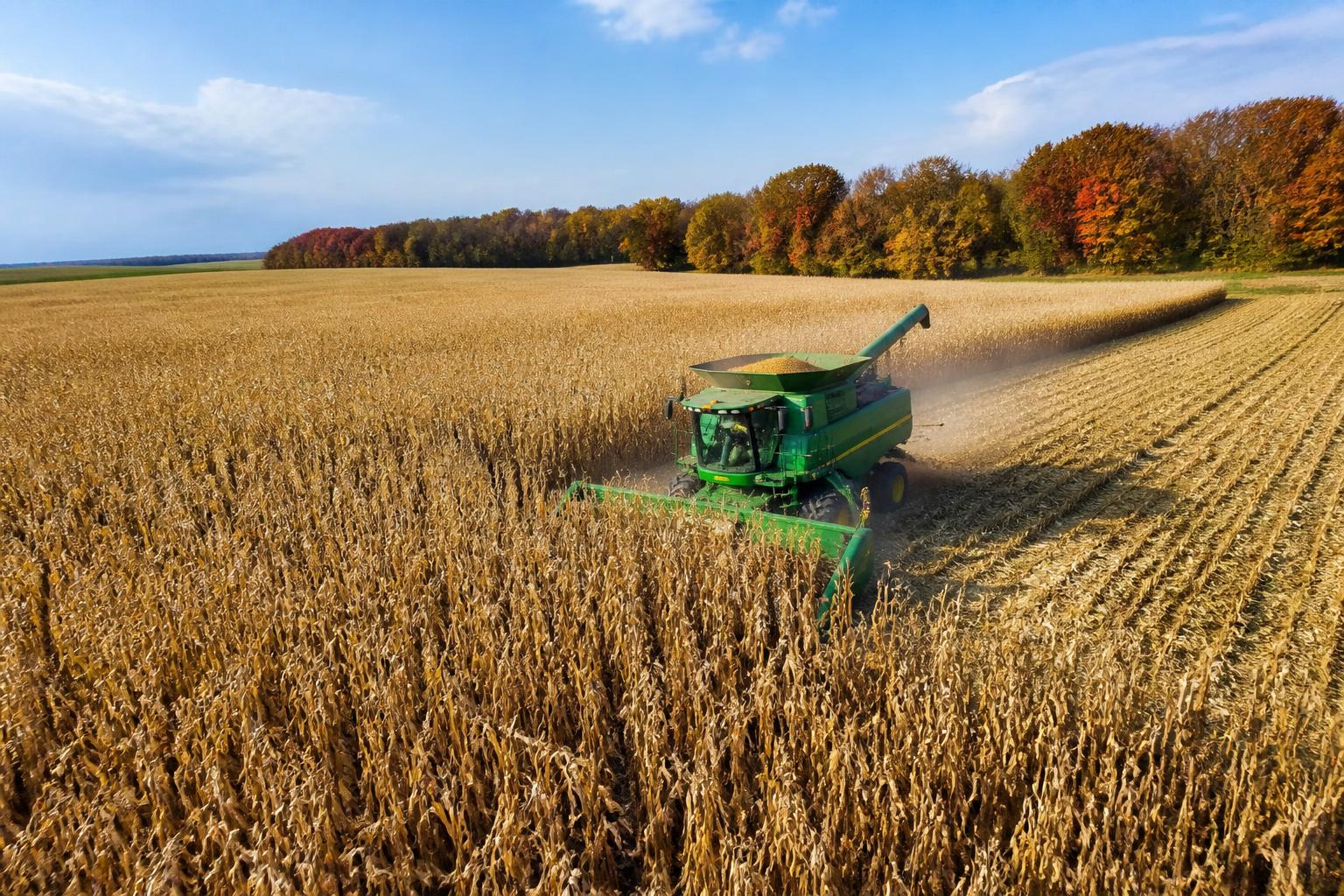
With the fall season well underway, Delaware producers are closely monitoring fertilizer market trends as they navigate a period of global supply chain uncertainty. Recent shifts in international trade policies, including the reopening of urea exports from major global suppliers, have introduced a complex dynamic for local input buyers. While the immediate pressure of past global fertilizer crises may be easing, the influence of geopolitical events on nutrient availability remains a key consideration for regional agribusinesses.
Managing Input Volatility in Delaware
The state's agricultural sector, characterized by its robust poultry industry and diverse crop production, often feels the ripple effects of these international market adjustments. For many growers in Sussex and Kent counties, the ability to secure inputs at stable prices is essential for planning upcoming applications. As global markets fluctuate, navigating supply volatility has become a standard, albeit challenging, part of the annual operational cycle. Farmers are increasingly looking toward precision agriculture tools to optimize nutrient application efficiency, helping to mitigate the impact of input price swings while supporting long-term soil health.
Logistics and Market Resilience
Logistical reliability remains a priority for local grain handlers and distributors. As Delaware continues to invest in supporting its agricultural infrastructure, including programs for locally grown specialty crops, the stability of the fertilizer supply chain serves as a foundational element. Despite regional challenges, there is a focus on maintaining consistent access to essential nutrients for the upcoming planting windows. Proactive coordination between elevators, carriers, and local input retailers can often provide a buffer against sudden market shocks, as discussed in our recent analysis of fertilizer market supply chain disruptions.
What it means for the market
For Delaware farmers and agribusinesses, the current market climate necessitates a disciplined approach to input purchasing. While global supply conditions may show signs of stabilization, remaining informed about potential downstream disruptions is critical. By balancing historical price data with current supply realities and utilizing precision technology, producers can better position themselves to withstand fluctuations and maintain operational profitability throughout the fall season.
Comments
No comments yet - be the first to share your take.