
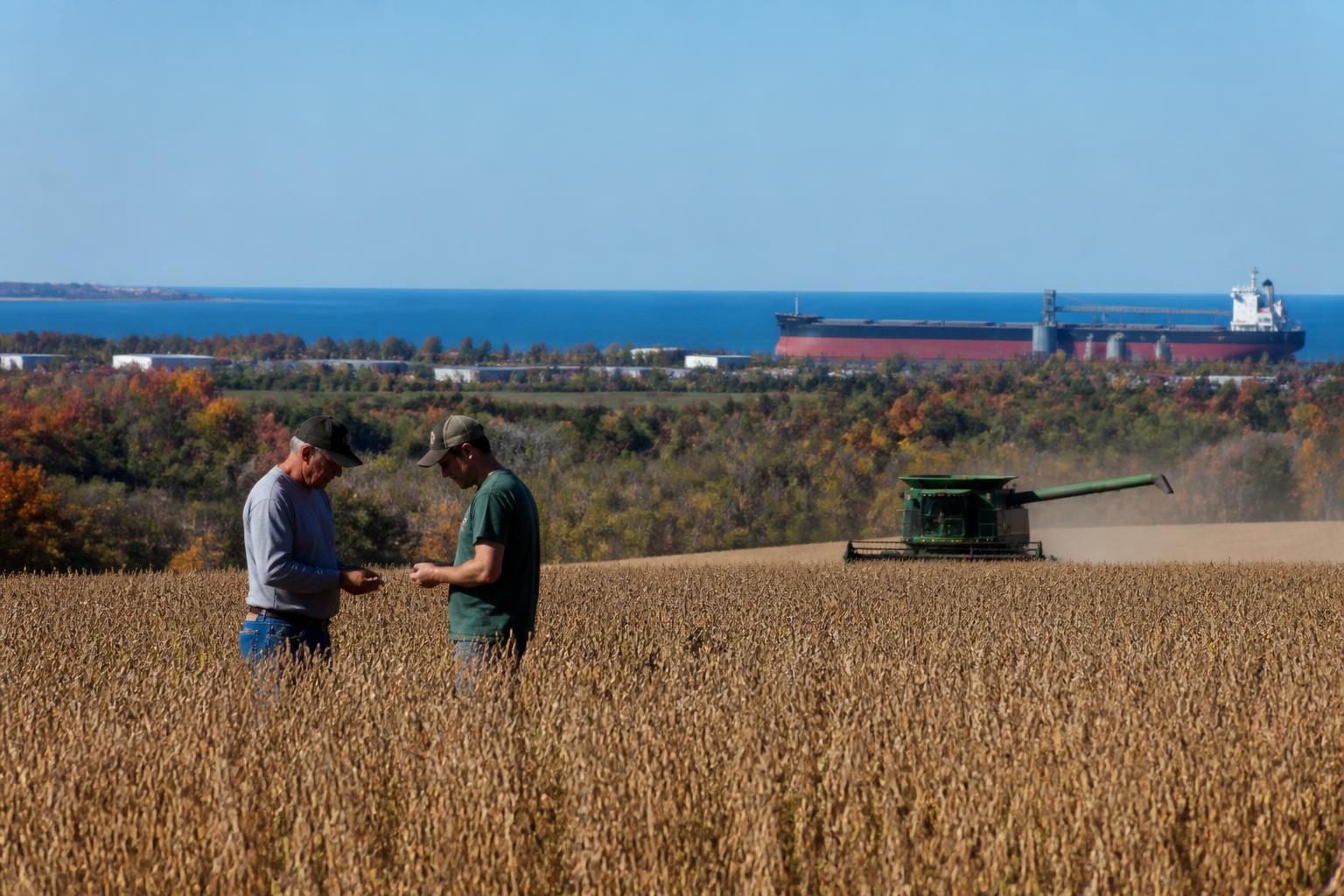
As Minnesota producers move closer to peak harvest activities, the intersection of local logistics and international trade is shaping the operational landscape. With the arrival of ocean-going vessels at the Port of Duluth-Superior, grain handlers are closely watching how port activity and broader transportation policies might influence the flow of commodities from the Upper Midwest to global markets.
While global export demand remains a cornerstone of Minnesota's agricultural competitiveness, logistical efficiency within the state remains critical. Farmers are encouraged to review their operational plans as the season progresses, particularly concerning field inputs. State agencies have recently emphasized the importance of carefully managing herbicide applications to minimize drift risks, ensuring that current operational practices align with local stewardship goals.
Evaluating Infrastructure and Trade Impacts
Changes in shipping policies, including proposed port fees, are being monitored for their potential influence on export costs. For Minnesota's agribusinesses and elevators, these factors highlight the ongoing need for flexible, efficient, and well-integrated supply chain strategies. Maintaining a pulse on how international trade policies shift can help local handlers better anticipate potential bottlenecks in transportation corridors that connect our rural regions to international gateways.
Focusing on Long-Term Asset Management
Beyond the immediate demands of the season, industry experts continue to observe a complex market environment regarding land values and farm management. Decisions made during this harvest cycle often have long-term implications for strengthening the overall asset value of individual operations. Whether it is refining input precision or optimizing storage and delivery timelines, the ability to adapt to both environmental and economic variables remains the hallmark of a resilient Minnesota operation.
What it means for the market
For the Minnesota farmer, the current market climate underscores that successful outcomes depend on a combination of strict regulatory adherence and high-level logistical oversight. By keeping a sharp focus on minimizing field risks and staying informed on shifting export logistics, producers can better position their inventory to navigate the uncertainties of the fall market season.
Comments
No comments yet - be the first to share your take.