
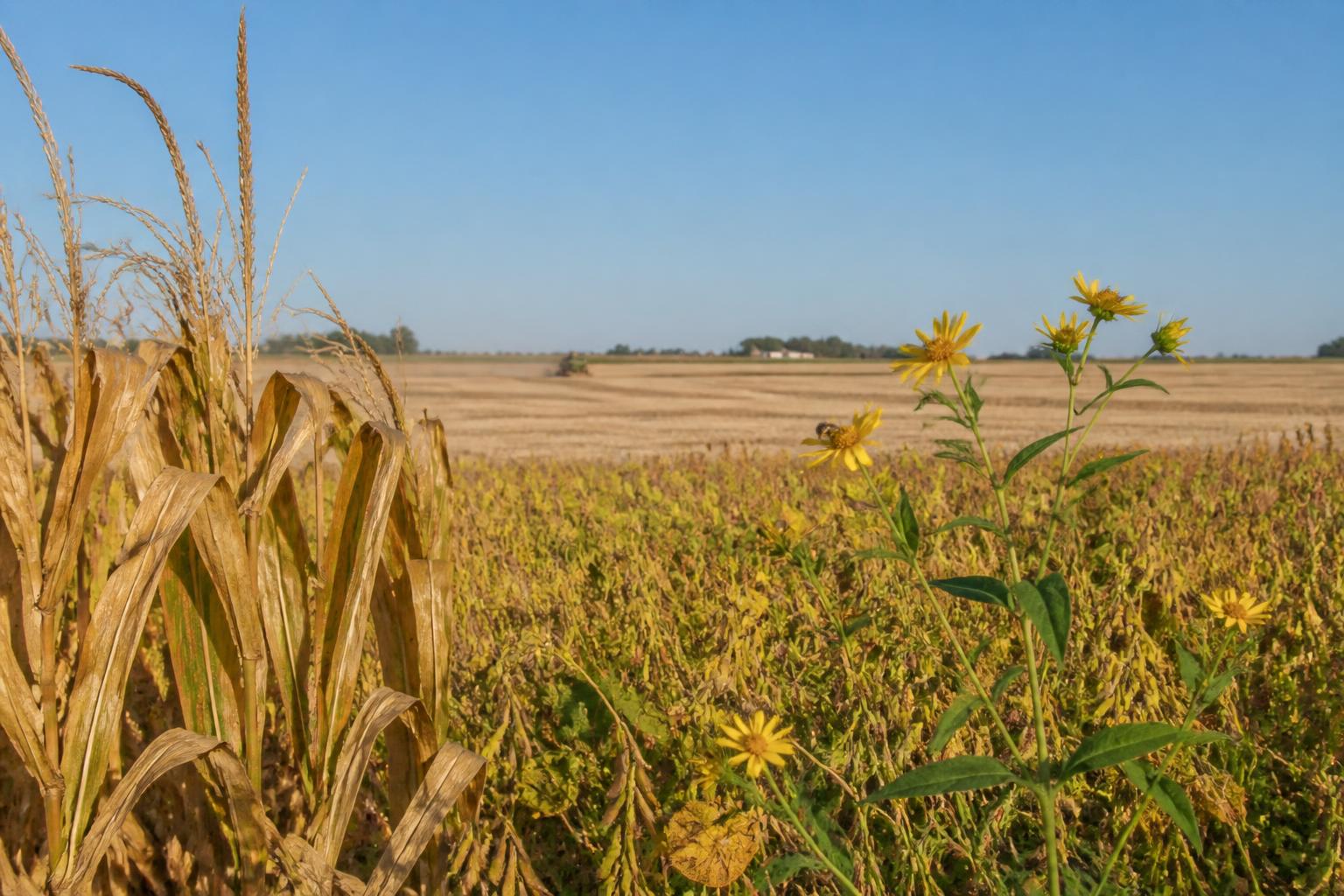
As the fall season takes hold across Minnesota, the agricultural landscape remains defined by a search for balance. Producers, handlers, and input suppliers are currently navigating a mix of operational pressures, ranging from high utility and fertilizer expenses to shifting land market dynamics. In this environment, the overarching theme for many across the supply chain is a renewed commitment to lean operations and strategic resource management.
For those managing grain handling and logistics, maintaining efficiency is becoming a non-negotiable priority. As the harvest cycle begins, elevators and agribusinesses are evaluating their asset value and labor allocations to ensure that flow remains steady despite broader industry uncertainties. This focus on maximizing operational efficiency is essential for sustaining the thin margins that define current market conditions.
Managing Costs Amidst Economic Volatility
Elevated farm expenses continue to ripple through the sector. From the cost of energy to the ongoing investment in crop protection, producers are scrutinizing every line item. The pressure is particularly acute for livestock operations, as the regional footprint of dairy farms continues to contract. This shift in the production base often forces local supply chains to reconsider how they deliver inputs and manage distribution networks in more rural corridors.
Sustainability and Long-Term Value
While economic efficiency is the immediate driver of decision-making, there is a parallel focus on protecting the environmental assets of the farm. Soil health initiatives and river conservation practices remain critical for long-term viability, even when short-term balance sheets are tight. Balancing these investments with immediate cash-flow needs is a challenge that many Minnesota farmers face as they prepare for the late-season push.
What it means for the market
For grain handlers and agribusinesses, the coming weeks represent a pivotal window. With commodity markets exhibiting volatility, the focus must remain on cost containment and infrastructure uptime. Those who prioritize agile logistics and efficient input utilization will be better positioned to weather the lingering financial headwinds, ensuring that the harvest moves from field to storage and beyond with minimal disruption.
Comments
No comments yet - be the first to share your take.