
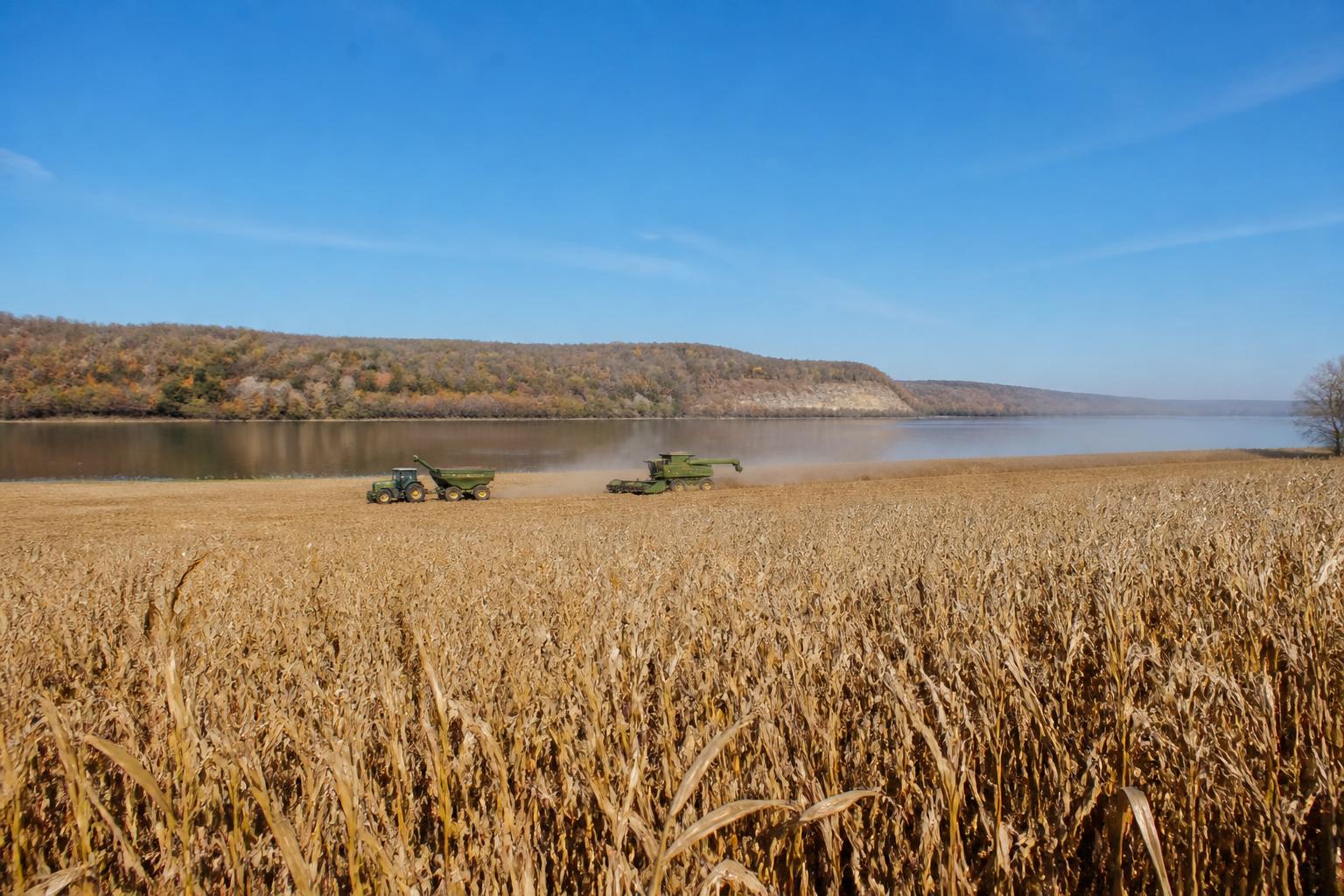
Navigating Logistics in a Dry Season
As the fall harvest season shifts into high gear across Mississippi, producers and grain handlers are once again keeping a close watch on the Mississippi River. Recent reports indicate that water levels in the critical transport corridor have dropped, raising concerns about potential delays and increased costs for moving grain to export markets. These recurring low-water conditions often tighten capacity, forcing stakeholders to reconsider their reliance on traditional river freight during the peak movement months.
For growers in the Delta, maintaining efficient flow is essential, but volatility in the river system can disrupt the typical logistics of grain movement. When draft restrictions are implemented, the impact cascades through the supply chain, often leaving elevators scrambling to secure barge space or diverting to more expensive rail and truck options. Monitoring river gauges remains a daily necessity for those managing bin space and delivery contracts during this period of high seasonal demand.
Adapting to Infrastructure Pressures
The current environmental pressures arrive alongside broader industry challenges, including persistent inflationary concerns that have already weighed on producer margins. With the harvest window narrowing, the ability to pivot between transport modes can be the difference between maintaining target margins and incurring significant losses. While some operations in other regions may look toward the Great Lakes as an alternative hub, Mississippi producers are largely focused on optimizing local river access and storage throughput.
Producers are also managing the ongoing, broader economic environment of the industry. Whether through securing local grain sales or coordinating with regional consultants, the emphasis remains on maximizing efficiency. Staying informed on infrastructure bottlenecks is just as vital as managing crop quality, as the logistical challenges of fall are rarely just about volume, but about the reliability of the paths that lead to the final buyer.
What it means for the market
For Mississippi agribusinesses, the combination of low river levels and high market sensitivity suggests a volatile season ahead for transportation rates. Expect potential shifts in local basis as elevators adjust for the increased cost of land-based transport or the risk of storage backlogs. Producers are advised to communicate early with their buyers and logistics partners to account for potential delays in barge movement that could extend into the coming weeks.
Comments
No comments yet - be the first to share your take.