
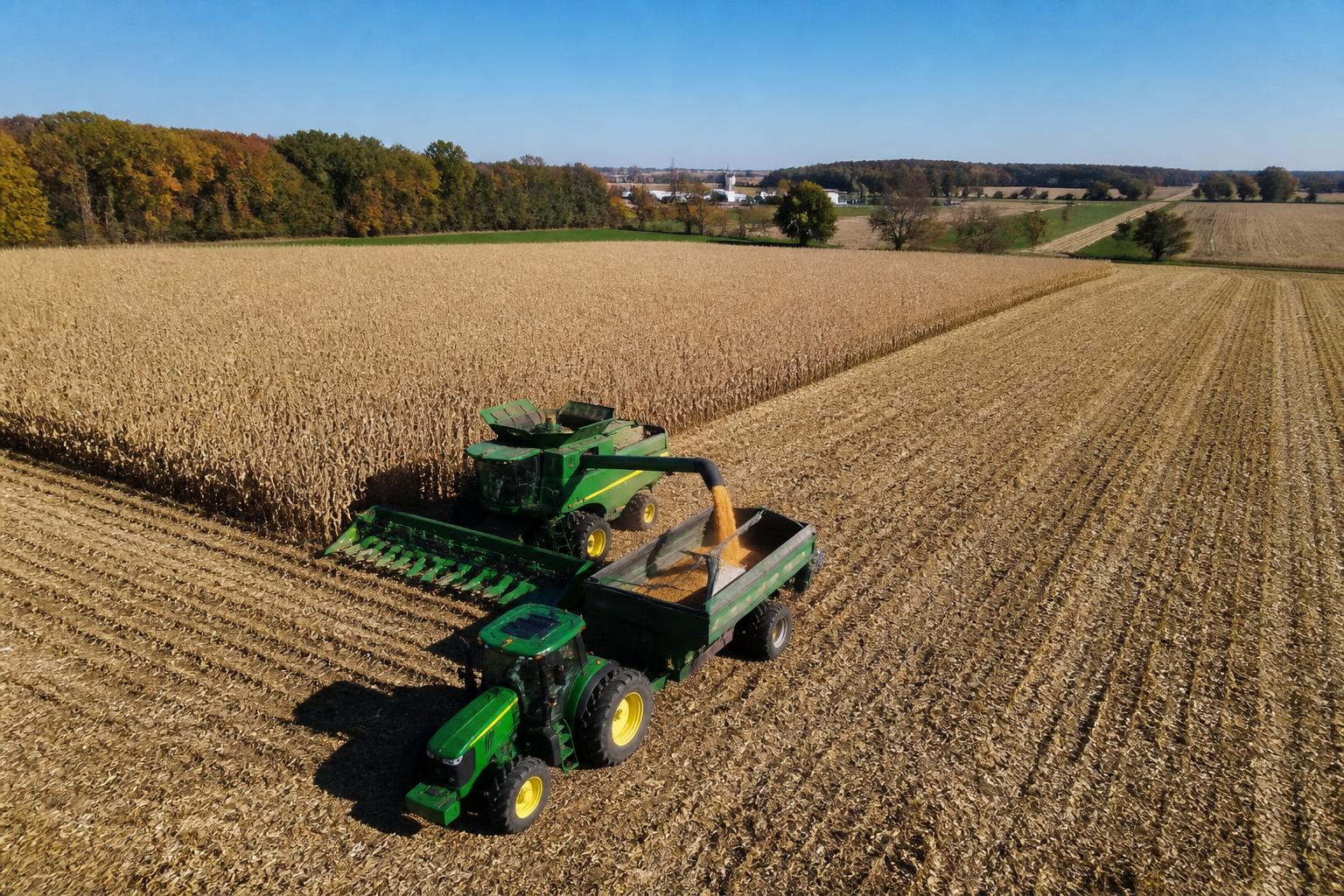
As the fall season progresses, Ohio farmers are transitioning into full harvest mode, navigating a growing environment that has presented unique challenges throughout the year. For many operations, the current focus is shifting from field management to the logistics of transport, drying, and storage as grain begins moving through the supply chain.
Efficient grain market navigation remains top of mind for producers and elevators alike. With regional infrastructure currently absorbing the initial influx of seasonal supply, maintaining clear communication between farm operations and local grain handlers is essential for minimizing wait times at delivery points.
Optimizing In-Field Logistics and Storage
The unpredictability of the past growing season has reinforced the importance of on-farm data and precision management. Producers who utilized research-backed strategies earlier in the year are often better positioned to assess yield potential as they move machinery into the fields. Attention to grain bin maintenance and local capacity planning can help mitigate the bottlenecks that often occur during peak harvest weeks, especially in major agricultural corridors.
Market Coordination and Regional Dynamics
In addition to physical harvest tasks, the broader market remains responsive to production reports. Volatile market adjustments often dictate the pace at which farmers decide to store or sell their grain immediately upon harvest. In various parts of the state, local cooperatives are already preparing for high-volume intake, emphasizing the need for producers to verify elevator operating hours and moisture-content specifications before transport.
Key Takeaways for Producers
- Verify local grain elevator storage capacity and specific moisture requirements before beginning harvest.
- Prioritize equipment safety checks given the increased road traffic expected across rural state routes.
- Utilize localized research data to manage harvest timing based on crop conditions rather than calendar dates.
What it means for the market: The regional supply chain is currently entering its most intense phase of activity. For Ohio agribusinesses, success this season will likely depend on balancing the immediate, physical demands of the harvest with the flexibility required to navigate shifting price trends and logistical constraints.
Comments
No comments yet - be the first to share your take.