
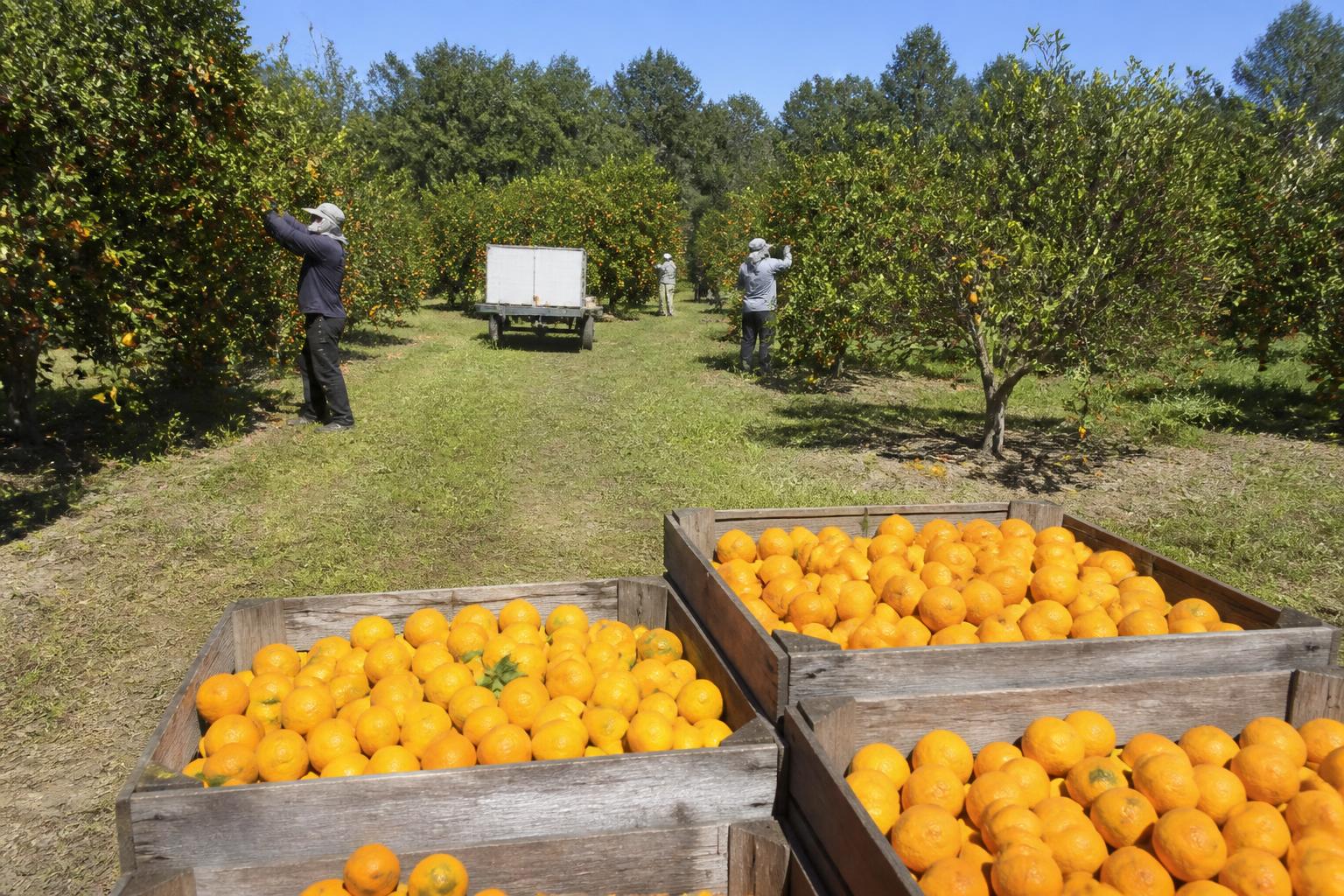
As the fall season takes hold across Florida, agricultural operations are increasingly focusing on precision and efficiency. For producers across the state, the current window represents a critical time to evaluate yield performance and refine resource management, particularly as regional market trends demand greater productivity. Whether managing specialty crops or monitoring row crop cycles, farmers are looking toward innovative tools to sustain their competitive edge.
Technology adoption has become a centerpiece of the conversation for Florida agribusinesses. The integration of artificial intelligence and precision agricultural systems is being explored as a means to optimize input use and address the environmental challenges that often accompany high-intensity production. As these technologies reach more fields, they offer a pathway to reduce overhead while maintaining the quality of output that buyers expect in a fluctuating economic climate.
Logistical and Market Pressures
The supply chain remains a focal point for those managing the movement of goods from field to facility. Efficient transport and coordinated logistics are essential during the busy fall period, where timely delivery often determines profit margins. Producers are keeping a close watch on storage capacities and transport availability, ensuring that infrastructure remains resilient against the typical seasonal demands and shifting market volatility.
Beyond the logistical day-to-day, producers face broader industry pressures, including changing preferences in the food sector and the need to protect crops from unpredictable environmental factors. While the industry has historically shown resilience, stakeholders are doubling down on diversification and management strategies that prioritize long-term sustainability over short-term gains.
What it means for the market
The shift toward integrated technology and refined logistics is more than just a trend; it is a necessity for maintaining viability. For Florida growers, success in the coming months will likely depend on how effectively they can synchronize their on-farm advancements with broader supply chain requirements. Market participants should stay alert to input costs and local storage conditions, as these factors will continue to influence pricing and distribution strategies throughout the remainder of the season.
Comments
No comments yet - be the first to share your take.