
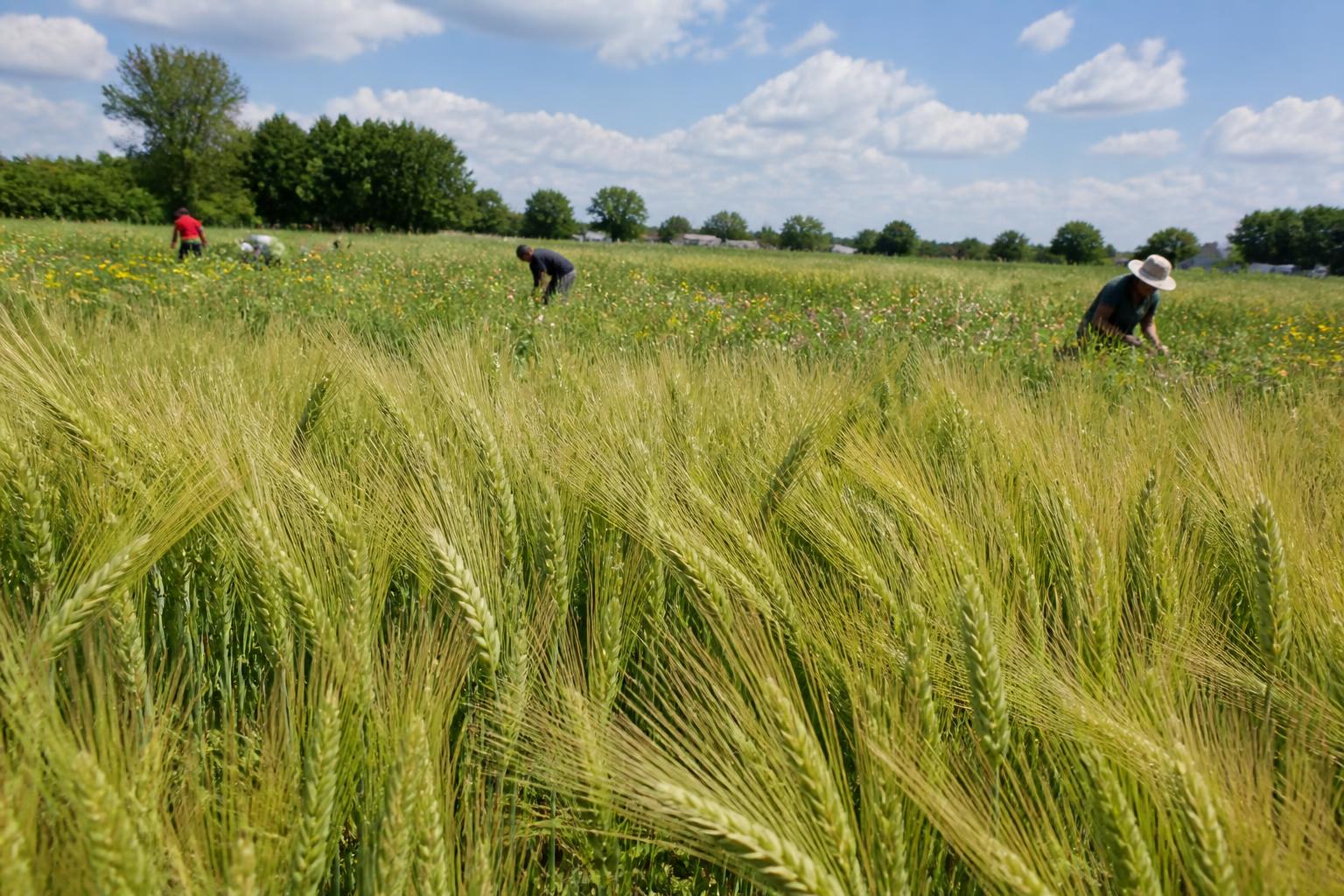
As summer settling across the Great Basin, Nevada grain growers and livestock operators are navigating a complex mix of high-value local demand, evolving environmental stewardship, and interstate shipping bottlenecks. While Nevada is not typically categorized as a high-volume grain-belt state, its specialized grain production-ranging from feed barley and wheat to premium distilling grains-plays a critical role in the regional agricultural economy.
Local producers are increasingly focusing on value-added avenues to maximize returns. At the same time, logistics remain a primary concern for those moving agricultural inputs and products across state lines, particularly through western mountain corridors and strict border checkpoints during peak summer transport seasons.
Estate Distilling and Specialized Grain Demand
One of the most notable success stories in Nevada's grain sector is the expansion of estate-grown distilling grains. Fallon-based Frey Ranch, which grows its own grains including corn, wheat, barley, and rye to produce whiskey, has recently expanded its distribution into five new markets. This growth highlights the viability of keeping grain processing within the state to capture premium consumer markets, showing how local grain can be successfully commercialized beyond traditional feed channels.
For growers looking to diversify, specialized crops can offer a buffer against volatile global commodity prices. Developing these high-value local supply chains is central to securing long-term resilience, a topic explored in detail within the discussion on Nevada's grain market innovations and growth opportunities.
Navigating Sierra Nevada Border Logistics
For standard grain and livestock hauling, transportation logistics present a seasonal challenge. California's agricultural inspection stations, designed to protect western agriculture from invasive pests and diseases, frequently cause delays and frustration for commercial truck drivers crossing the state border. During the hot summer months, idling in long queues at these border points can impact transport efficiency and increase freight costs for Nevada shippers trying to move commodities westward.
Managing these delays is critical for regional grain and feed distributors. The operational impacts of these border inspections are a recurring theme for interstate commerce, which is further analyzed in the guide on Nevada grain logistics and summer border trends.
Research, Conservation, and Livestock Milestones
Nevada's broader agricultural sector is also seeing advancements in supply chain security and environmental health. At the University of Nevada, Reno (UNR), researcher Andrew Nuss received an NSF CAREER Award to develop innovative approaches aimed at protecting the food supply. This scientific progress comes alongside community conservation efforts, such as Northern Nevada's recent celebrations of Pollinator Week, highlighting the state's focus on ecosystem health amid challenging high-desert growing conditions.
Furthermore, traditional livestock markets remain active this season, marked by the return of the annual ram and ewe sale in Nevada. While sheep and cattle producers rely heavily on regional feed supplies, environmental challenges persist. UNR researchers recently flagged high mercury levels in Carson River wood ducks-up to 60 times the limits set by the FDA-reminding agricultural managers of the ongoing need for environmental monitoring in historic mining watersheds.
What it means for the market
For Nevada's agricultural businesses, the summer market emphasizes the dual importance of local niche markets and logistical planning. While value-added ventures like estate distilling provide strong local demand for high-quality grains, commodity grain and hay haulers must factor in border inspection delays and seasonal fuel and freight adjustments. Adapting to strict transport regulations and capitalizing on localized regional demand will be the key to maintaining margin safety through the remainder of the summer season.
Comments
No comments yet — be the first to share your take.