
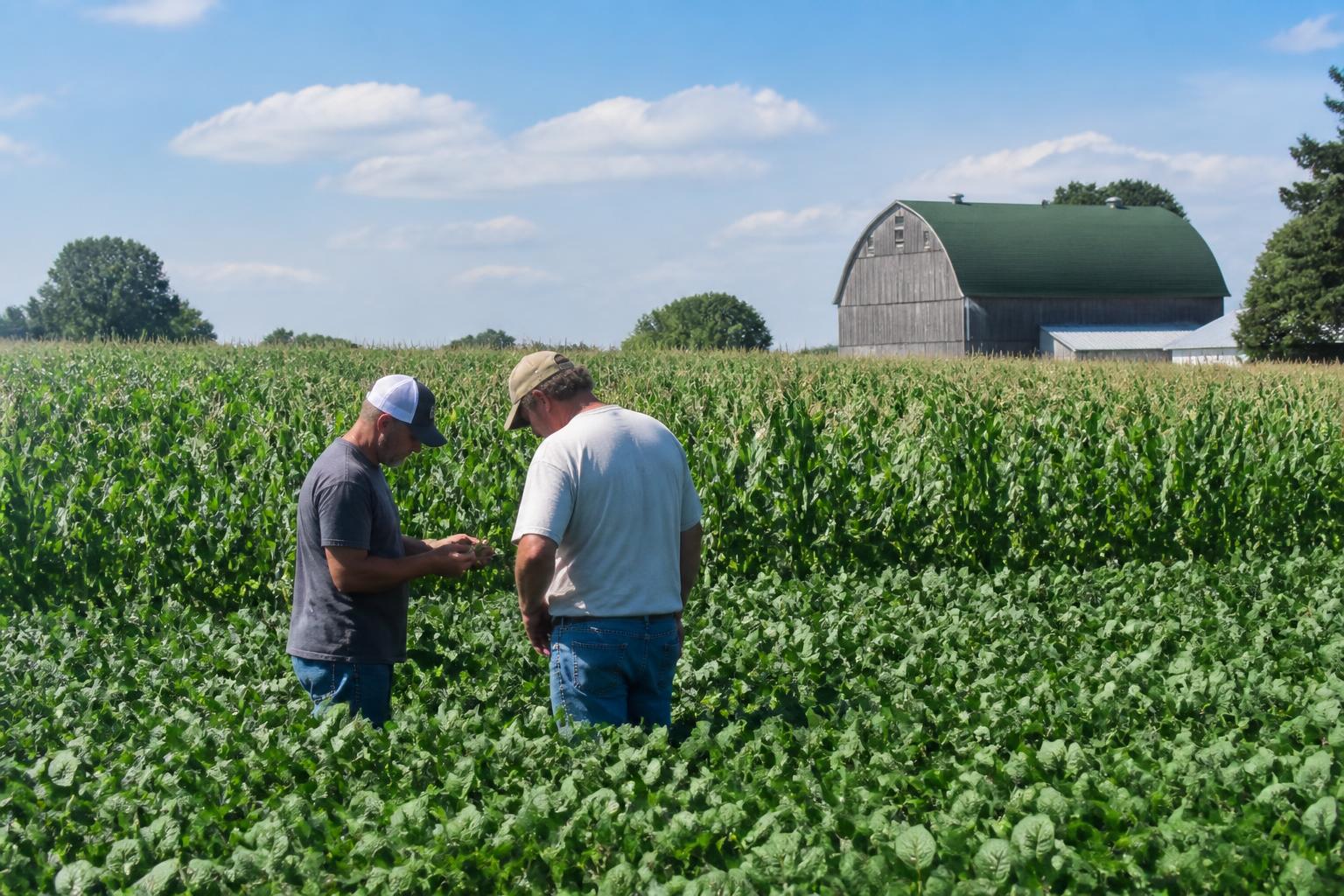
Michigan agricultural producers entering the summer of 2026 find themselves navigating a highly complex crop input market. A combination of shifting trade dynamics, unpredictable weather patterns, and ongoing structural adjustments in local agribusiness is forcing grain growers and retail managers to rethink their purchasing and application strategies. As regional corn and soybean crops navigate variable field conditions, securing affordable, timely nutrients remains a primary focus for farming operations across the Great Lakes State.
Global logistical shifts have added friction to the supply chain. At the same time, regional consolidation among agribusiness service providers continues to reshape how Michigan growers access agronomic inputs and advisory services. Balancing cost management with crop yield potential is now the defining challenge of the season.
The Global Fertilizer Squeeze and Policy Responses
The global market for plant nutrients has experienced significant disruption, heavily impacting local retail prices. Recent trade restrictions, notably China halting its phosphate exports, have left global supply lines strained and local fertilizer pricing volatile. According to industry surveys like the Purdue University agricultural sentiment polls, high input costs consistently rank as a top concern for U.S. producers, with many pointing to unpredictable pricing as a threat to operational margins.
In response to these supply chain pressures, legislative efforts are underway to foster greater transparency. Lawmakers are aiming for new USDA reporting measures and exploring avenues to expand domestic fertilizer production. Proponents hope these efforts will alleviate long-term reliance on overseas suppliers and provide more reliable market data for farmers making purchasing decisions. However, these policy adjustments will take time to materialize, leaving growers to manage immediate summer needs with the tools currently at hand.
Managing Nutrition Under High-Input Realities
With prices fluctuating, Michigan growers are adopting precision management practices to maximize the efficiency of every dollar spent on crop nutrition. For soybean and corn producers, this means focusing on targeted, late-season applications rather than blanket treatments. Utilizing soil testing, variable-rate technology, and split-application methods can help prevent over-application while ensuring crops receive critical nutrients during key reproductive phases.
To stay competitive, many operators are integrating these nutrient strategies with broader summer management shifts in Michigan grain strategies to hedge against market volatility. Minimizing input waste not only helps preserve tight margins but also protects local water quality, a constant priority for farms operating within the sensitive Great Lakes watershed.
Agribusiness Consolidation and Seasonal Safety
The structural landscape of Michigan's agricultural retail sector also continues to evolve. In recent developments, larger regional agribusinesses have continued to expand their footprints, as seen with Wilbur-Ellis' agribusiness acquiring Johansen Farms. This trend of consolidation can alter local service dynamics, making it vital for growers to maintain strong, communicative relationships with their input suppliers to secure product availability.
Alongside business management, safety remains a critical concern during busy summer operations. The agricultural community has recently been reminded of the physical risks associated with crop handling, following tragic grain auger accidents in the state. Industry leaders urge farm managers to review safety protocols with family members and employees, particularly when operating high-capacity grain handling and storage equipment under summer work pressures.
Key Takeaways for Michigan Producers
- Monitor Global Trade: Keep a close eye on phosphate availability and international export policies, which continue to drive domestic fertilizer price fluctuations.
- Adopt Precision Tactics: Optimize crop nutrition through variable-rate applications and targeted field management to lower per-acre input costs.
- Strengthen Retail Partnerships: Engage early with local suppliers to secure product allocations amidst ongoing agribusiness consolidations.
- Prioritize Farm Safety: Conduct routine safety briefings and equipment inspections to mitigate risks during intensive summer field and grain handling tasks.
What it means for the market
The Michigan input market is defined by a need for agility. While global trade disruptions and high fertilizer costs present undeniable challenges, they are also accelerating the adoption of precision agriculture and smarter risk-management strategies. Producers who focus on rigorous nutrient efficiency, safety, and proactive supplier communication will be best positioned to protect their bottom lines through the remainder of the summer season and prepare effectively for the upcoming harvest.
Comments
No comments yet — be the first to share your take.