
The Cash-Flow Pinch and Cropland Value Resilience
According to the South Dakota state economist, a sluggish agricultural economy has recently held back state sales tax revenues, reflecting the financial pressure felt across rural communities. Farmers throughout the Upper Midwest are reporting economic pessimism despite high crop output. This mismatch between high production and low profitability is forcing operations to find efficiencies wherever possible.
Despite these tight margins, the market for agricultural land in the region remains highly competitive. Cropland in the Dakotas is selling for $5,000 to $7,850 per acre, showing that long-term asset values remain resilient even as liquid cash reserves tighten. To manage these tight margins, keeping a close eye on regional price dynamics is essential, especially as marketing shifts and the South Dakota corn market navigates its own summer challenges and opportunities.
Logistical adjustments are also reshaping how local grains are priced and moved. Regional infrastructure, such as the Mitchell processing expansion reshaping regional basis, is playing an increasingly important role in how local cash grain is handled and marketed across the state.
Managing Seed Technology and Regulatory Compliance
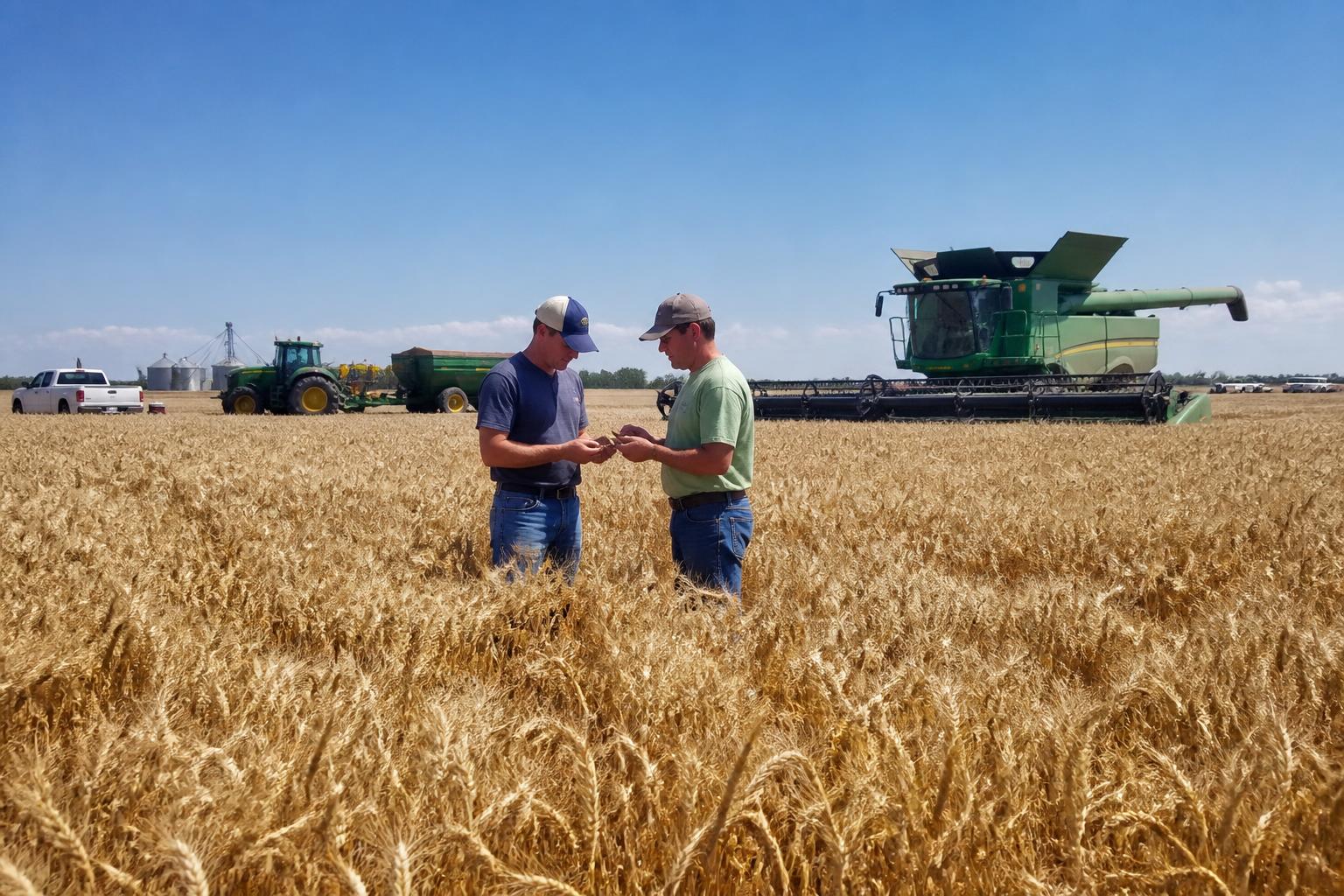
In response to production challenges, local research is targeting long-term crop resilience. Researchers at South Dakota State University (SDSU) are currently working to identify disease-resistant wheat genes, aiming to solve a multi-billion-dollar problem for the grain sector. This genetic research is vital for South Dakota, which consistently maintains a prominent rank in national wheat production.
While spring wheat planting earlier this season was slowed by cold soil and wet fields, growers are already planning for the next planting cycles. Many are reviewing public winter wheat varieties and exploring alternative options, such as winter barley, which may play a larger role in future crop rotations as a tool to spread risk and optimize early-summer harvest windows.
For growers integrating cover crops into their management plans, regulatory compliance is also a top priority. Plant Variety Protection (PVP) laws apply strictly to cover crop seeds. Understanding how these laws govern saved seed is essential for avoiding costly legal liabilities. Operations looking to protect their crops while maintaining compliance should keep abreast of input shifts, as detailed in our brief on South Dakota crop protection and volatile input markets.
Emerging Operational and Environmental Concerns
Beyond immediate market pricing, South Dakota growers are facing emerging operational hurdles. PFAS (per- and polyfluoroalkyl substances) pollution is increasingly recognized as a growing problem for U.S. farmers, raising questions about soil health, water quality, and long-term land management. Navigating these environmental risks, alongside tight margins, requires careful crop selection and precise nutrient planning.
Key Takeaways for South Dakota Producers
- Resilient Land Values: Dakota cropland continues to command strong prices, ranging from $5,000 to $7,850 per acre, despite sluggish liquidity in the broader farm economy.
- Genetic Solutions on the Horizon: SDSU research into disease-resistant wheat genes is targeting massive industry losses, helping support South Dakota's position as a major wheat producer.
- PVP Law Vigilance: Producers must ensure that cover crop seed choices comply with Plant Variety Protection laws.
- Crop Diversification: Emerging options like winter barley could offer future rotational and harvesting advantages.
What it means for the market
For South Dakota grain handlers, elevators, and producers, the current summer climate demands strict cost control and strategic marketing. With high land values contrasting against low cash-flow sentiment, operations must rely on robust local basis opportunities and emerging crop technologies to protect their bottom lines. Surviving this sluggish economic phase will depend on meticulous risk management, regulatory compliance, and leveraging local processing assets.
Comments
No comments yet - be the first to share your take.