
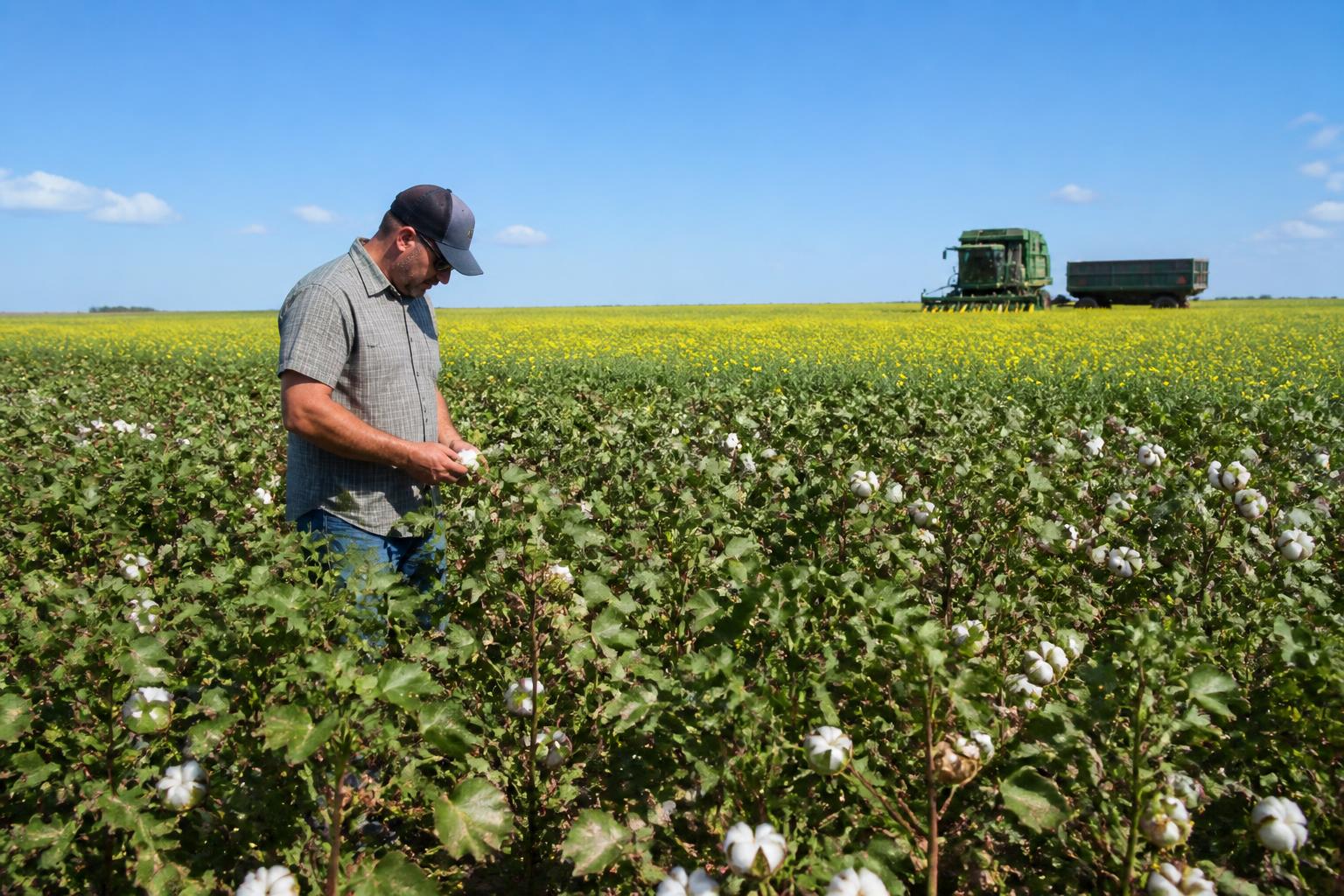
Oklahoma agricultural producers are navigating a highly complex crop protection landscape this summer. As extreme heat and localized dry spells set in across the state, farmers from the panhandle down to the southwestern cotton-growing regions are balancing immediate biological threats with major federal regulatory shifts. Keeping crops healthy while staying compliant has become a top priority for agribusinesses planning their remaining 2026 applications.
The intersection of national pesticide litigation and regional pest pressures is forcing Oklahoma growers to re-evaluate their management strategies. From battles over pesticide labeling uniformity to localized efforts to mitigate wildlife damage, the stakes for field-level protection have rarely been higher.
Federal Rulings and the Push for Labeling Uniformity
A major point of concern for Oklahoma agricultural groups is the ongoing legal volatility surrounding crop protection tools. The U.S. Supreme Court-associated litigation, specifically highlighting cases like Durnell v. Monsanto, has sparked significant reaction from national and state farming organizations. Agricultural advocates argue that a lack of federal preemption over state-level labeling laws threatens to create a patchwork of conflicting state regulations, potentially restricting access to critical herbicides and pesticides.
For Oklahoma producers, consistent, science-based labels are essential for safe and predictable field operations. Without regulatory uniformity, chemical manufacturers may face escalating litigation costs, which could lead to product registration withdrawals or higher input costs. This uncertainty comes at a time when input budgets are already tightly squeezed by global economic factors.
Summer Pests, Feral Hogs, and Field Pressures
Beyond courtroom battles, real-world biological threats are demanding immediate action in the field. Summer weed control is critical, particularly for Oklahoma's cotton crop in the southwest and northern counties, where timely herbicide applications are needed to prevent aggressive species from robbing soil moisture. Farmers are actively managing pest expansion amid summer dry spells to protect yield potential before late-summer maturity.
In addition to weed and insect pressures, wildlife damage remains a costly burden. Feral hogs continue to inflict severe economic damage across Oklahoma, tearing up pastures, rooting up emerging crops, and damaging vital irrigation infrastructure. The price tag associated with feral hog damage underscores the need for coordinated trapping, hunting, and regional eradication efforts to protect farm margins.
Strategic Shifts: No-Till and Crop Rotations
To cope with both input costs and environmental challenges, a growing number of Oklahoma growers are adjusting their long-term agronomic practices. Transitioning to no-till systems has become a popular economic decision, helping to preserve critical soil moisture during hot summer weeks while reducing fuel and labor expenses. Minimizing soil disturbance also plays a secondary role in suppressing certain weed seeds that thrive when soil is turned.
Furthermore, with the wheat harvest progressing and sorghum making gains across the state, diversifying crop rotations with alternatives like winter canola or grain sorghum (milo) is proving highly beneficial. These alternative crops help disrupt pest and weed reproductive cycles, reducing the reliance on single chemical modes of action and helping farmers manage resistant weed populations more naturally.
Key Takeaways for Oklahoma Producers
- Monitor Federal Actions: Keep an eye on pesticide preemption cases, as high-level court decisions could impact the long-term availability and cost of key herbicides.
- Implement Multi-Tactical Control: Combine chemical applications with cultural practices, such as cover crops or strategic crop rotation, to combat resistant weeds.
- Address Feral Hog Risks: Work with local extension agents and state wildlife services to deploy effective trapping strategies before fall harvest begins.
What it means for the market
For the broader agricultural market, these crop protection dynamics emphasize that chemical access is no longer just a supply-chain issue, but a legal and regulatory one. If key active ingredients face restricted access or higher manufacturing costs due to state-by-state litigation, Oklahoma farmers will have to rely more heavily on integrated pest management and alternative cultural practices. Elevators, input suppliers, and carriers should expect continued interest in alternative crops like canola and milo, which can serve as critical tools for pest management and soil health in the seasons ahead.
Comments
No comments yet - be the first to share your take.