
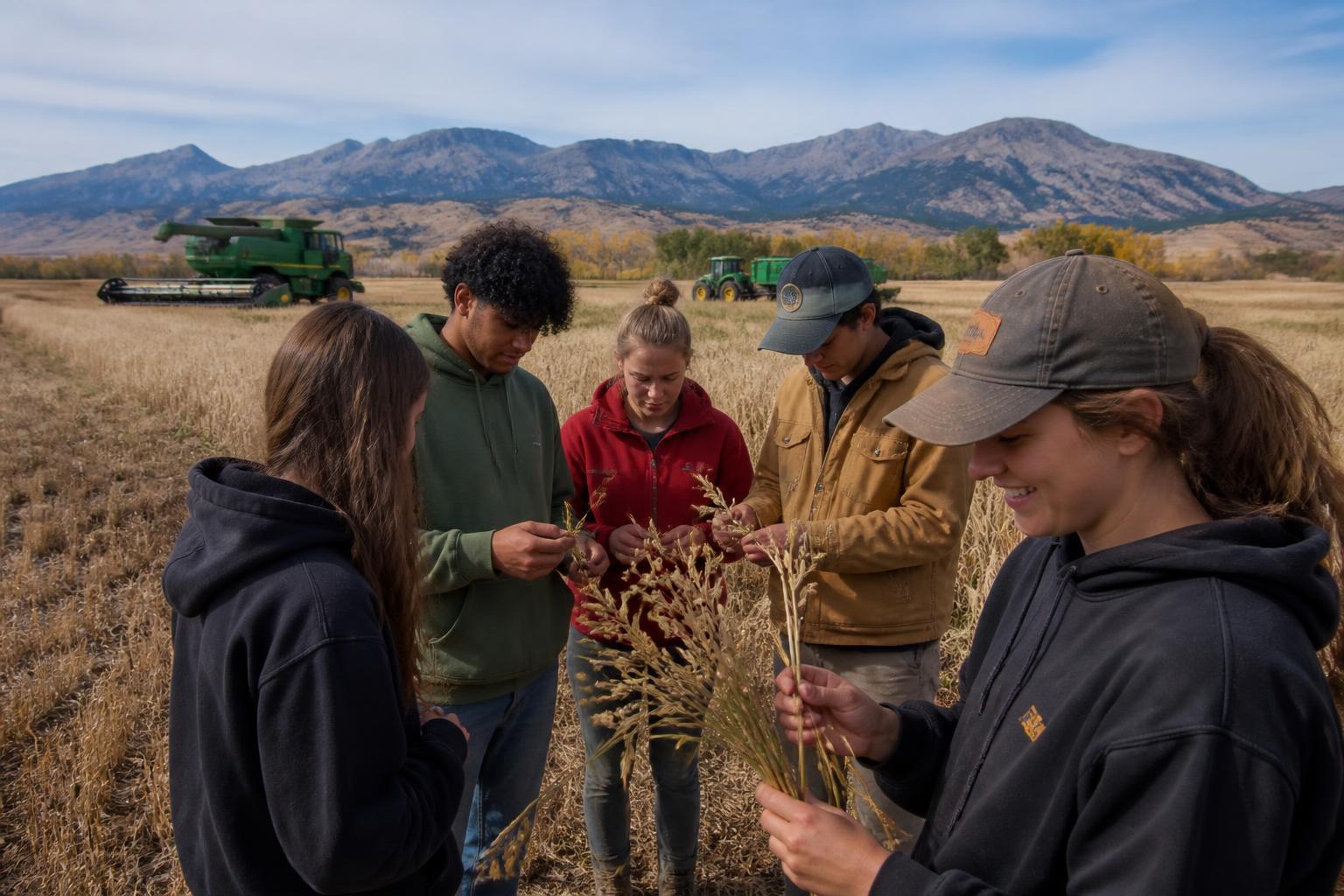
As the state moves deeper into the fall season, Wyoming agricultural operations are balancing the demands of harvest with mounting logistical pressures. While producers work to secure yields, the broader transportation network faces significant headwinds. Recent reports indicate that the state Department of Transportation is navigating a substantial budget deficit, a reality that often translates to deferred maintenance and potential constraints on rural freight corridors.
For growers and elevators, this fiscal environment underscores the importance of early coordination. As Wyoming grain producers navigate fall harvest amidst shifting market conditions, the focus remains on optimizing local movement and minimizing downtime. Relying on aging infrastructure requires a cautious approach to weight limits and route planning, especially as seasonal traffic patterns shift with the harvest.
Managing Input and Field Pressures
Beyond logistics, the operational landscape is shifting as producers confront evolving weed management challenges, such as the classification of cheatgrass as a noxious weed. Addressing these issues in the field often requires early intervention before the winter dormancy period begins. Producers are also looking at long-term efficiency to balance the persistent input cost pressures that continue to challenge the Wyoming ag sector.
Land values have remained largely stable through the first half of the year, providing a degree of consistency for long-term planning. However, the operational reality on the ground remains complex, with producers frequently adjusting their management strategies to protect profit margins against rising overheads.
What it means for the market
The convergence of fiscal constraints within state transportation departments and high input overheads necessitates a highly disciplined approach to the rest of the season. Producers should prioritize early booking for critical services and remain vigilant regarding regional road conditions that could impact the speed of harvest logistics. As the industry looks toward the coming year, efficiency and proactive maintenance remain the best tools for navigating an uncertain economic landscape.
Comments
No comments yet - be the first to share your take.