
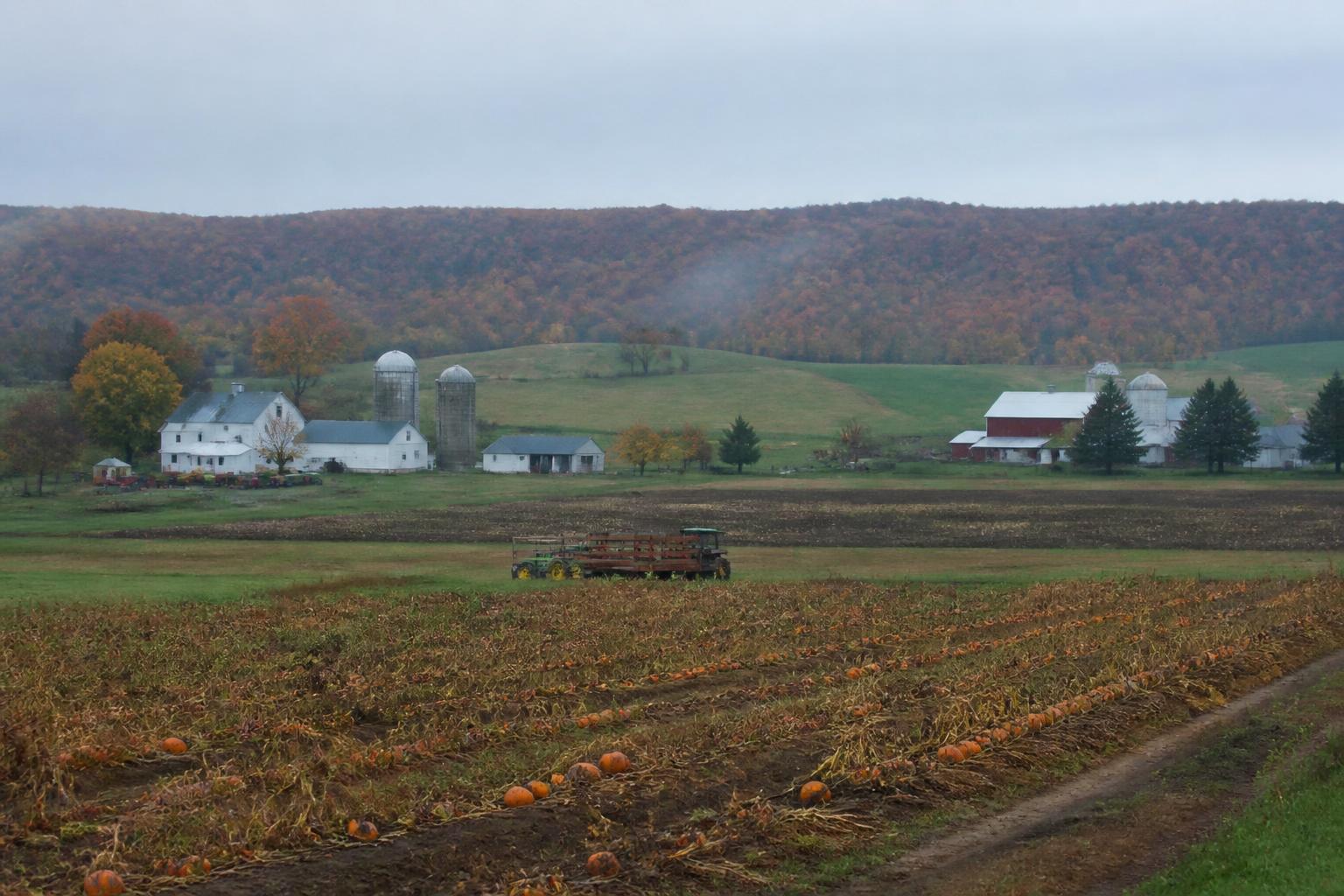
With the autumn season now underway across Maryland, producers are finalizing their nutrient management plans for the upcoming winter cover crop cycle. Balancing soil health requirements with ongoing state environmental objectives remains a top priority for growers throughout the Chesapeake Bay watershed. The Maryland Department of Agriculture continues to emphasize the importance of precision application, reminding producers that sound management of fertilizer and manure is essential to preventing nutrient runoff into local waterways.
Aligning Productivity with Environmental Stewardship
In various regions of the state, from the Eastern Shore to the rolling terrain of Washington County, farmers are increasingly integrating conservation practices into their daily logistics. The state remains focused on meeting key pollution reduction targets, which often translates to more rigorous oversight of nutrient applications. For many, this means verifying that nutrient plans are not only compliant with state regulations but are also optimized for efficiency as field conditions begin to shift toward the fall harvest transit window.
Logistics and Procurement Considerations
As the market moves deeper into the fall, maintaining stable access to crop inputs is critical. While supply chain dynamics fluctuate, producers are encouraged to work closely with local dealers and cooperatives to confirm timely delivery of soil amendments. Given the heightened scrutiny on nutrient transport and application, accurate record-keeping is more than just a regulatory necessity; it is a vital step in maintaining the operational flexibility required during the busy harvest season. Farmers are urged to stay proactive in their procurement timelines, ensuring that input supplies are staged appropriately to avoid potential bottlenecks that can arise when seasonal traffic peaks.
What it means for the market
For Maryland agribusinesses, the intersection of environmental regulation and operational efficiency defines the current market landscape. By prioritizing precision in fertilizer use and maintaining open lines of communication with input providers, growers can mitigate risks associated with regulatory compliance while securing the inputs necessary to support long-term soil productivity. Efficiency in these areas serves as a buffer against broader logistical volatility, keeping Maryland farms competitive as we approach the end of the year.
Comments
No comments yet - be the first to share your take.