
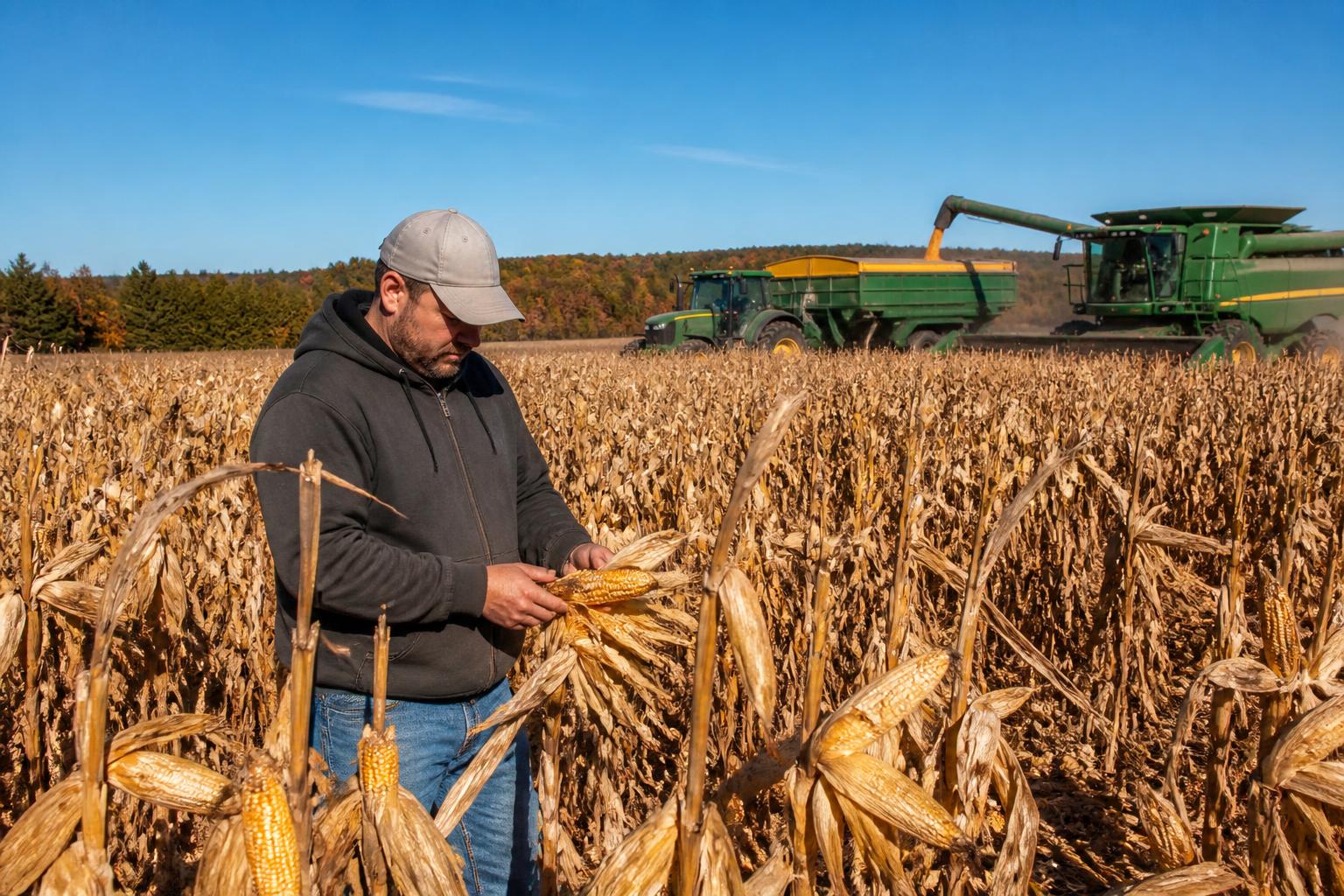
As the fall harvest season accelerates across Pennsylvania, the agricultural landscape remains a complex blend of tradition and modern operational hurdles. From the rolling hills of the Lehigh Valley to the broader grain-producing regions, farmers and logistics partners are currently balancing the standard seasonal intensity with an increasing array of administrative and environmental variables.
For those managing grain movement and storage, maintaining operational efficiency is paramount. Recent developments in industry oversight and corporate governance within the state suggest that producers should remain attentive to how these shifts may influence local supply chains and procurement strategies. As noted in recent insights on navigating harvest pressures, staying informed on regional logistics is crucial for maintaining margins during high-volume periods.
Managing Environmental and Regulatory Factors
The movement of commodities continues to be affected by ongoing efforts to control the spread of invasive species, such as the spotted lanternfly. Truckers and logistics managers are frequently reminded that compliance with state-mandated inspection requirements is essential to prevent operational delays at delivery points. These logistics protocols, often combined with the necessity of managing equipment across diverse farm types, require significant coordination.
Furthermore, producers are increasingly adopting precision agriculture technologies. While data suggests adoption remains notably higher in crop production than in livestock sectors, the utilization of these tools helps manage input efficiency and field management. As discussed in reports regarding positioning for the fall season, leveraging such technology can mitigate some of the unpredictable impacts of late-season weather and soil conditions.
Community Resilience and Market Continuity
Pennsylvania’s agricultural community continues to show strong continuity, highlighted by the sustained presence of generational family farms that have recently reached landmark status. This institutional knowledge remains a backbone for regional commodity trading. As highlighted in recent analysis on assessing yields and logistics, long-term relationships between producers, millers, and local elevators remain the most effective tool for navigating the volatility inherent in the fall market.
What it means for the market
The current market environment underscores a need for agility. Producers should prioritize clear communication with downstream handlers, especially regarding any changes in corporate or regulatory policies that could impact local procurement. By staying proactive with both logistics compliance and operational data, Pennsylvania farmers can better navigate the logistical bottlenecks that often define the peak of the fall season.
Comments
No comments yet - be the first to share your take.