
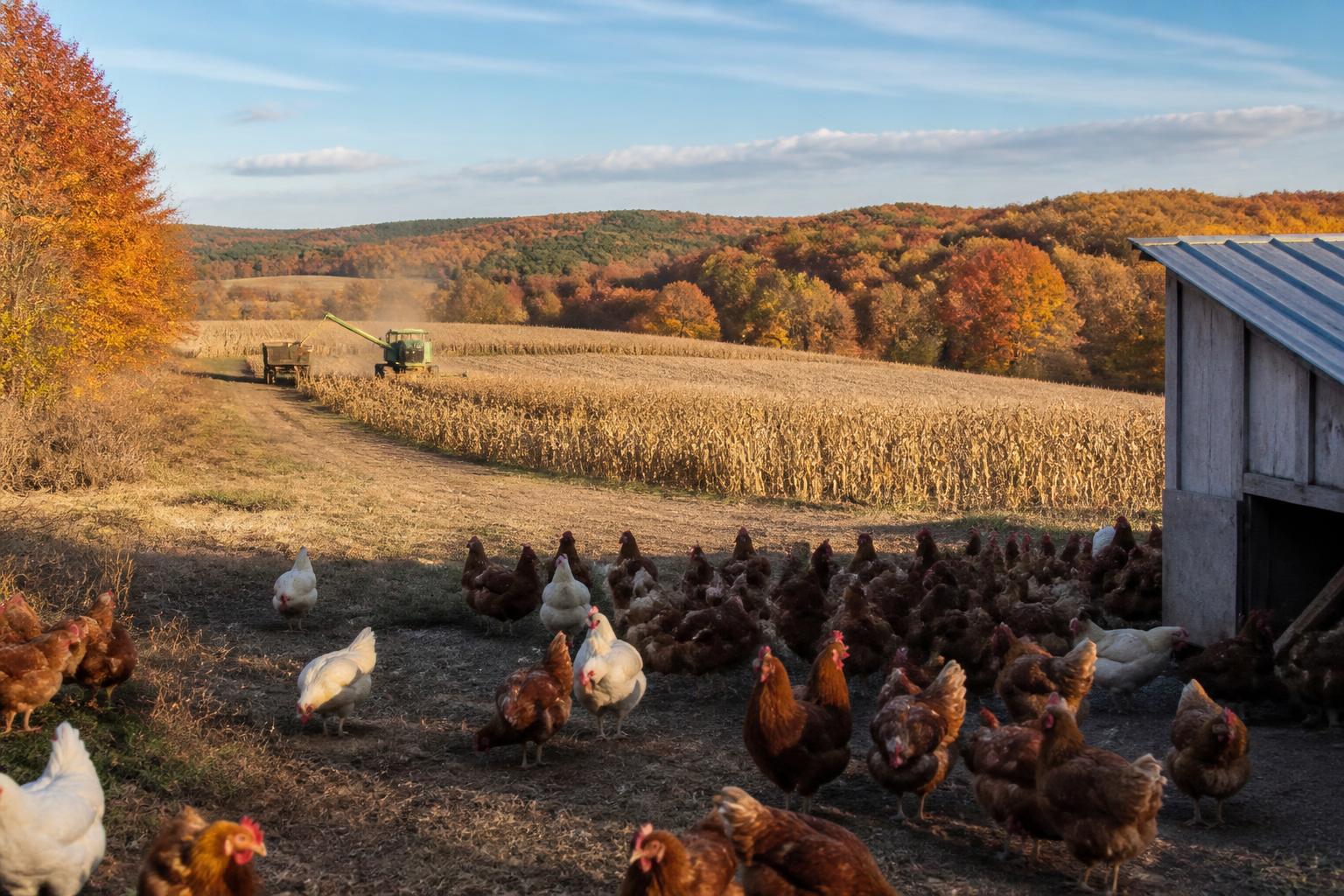
Pennsylvania farmers are entering a critical phase this fall as harvest operations accelerate across the state. The combination of seasonal field work and shifting regional logistics demands creates a complex environment for grain handlers and producers alike. Managing the flow of commodities through established corridors remains a priority as the industry balances standard harvest volumes with the need for enhanced supply chain resilience.
For many in the state, the current environment is defined by both operational urgency and external pressures. The logistical coordination required for a smooth fall season often hinges on the ability to move product efficiently from farm gates to storage facilities or regional distribution hubs. This is particularly relevant in areas where road access and weight constraints influence how quickly growers can respond to changing weather patterns during the harvest window.
Managing Sector-Specific Challenges
Beyond the immediate tasks in the field, Pennsylvania's agricultural sector is grappling with broader structural challenges. Recent discourse highlights the ongoing need for administrative support and legislative attention to help farms manage the accumulation of industry crises. These efforts are aimed at stabilizing the economic foundation for producers who continue to navigate market fluctuations and rising operational costs.
Meanwhile, the poultry sector remains under scrutiny. Outbreaks have underscored the vulnerability of local operations, prompting increased interest in sustainable management practices. Research into new soil additives and improved runoff mitigation strategies is becoming a significant focal point for farms looking to enhance their environmental compliance while protecting their livestock and local water quality.
Looking Ahead
The integration of technology and updated infrastructure, such as the expanded partnerships seen in the Philadelphia logistics sector, suggests a concerted effort to streamline produce and grain distribution. As the state moves further into the fall months, the focus will remain on balancing field productivity with the logistical realities of a tightening supply chain.
What it means for the market
Producers should monitor local storage availability closely as harvest intensity peaks. With logistical bottlenecks potentially impacting grain movement, early coordination with regional elevators and transportation providers may help mitigate delays. Additionally, staying informed on state-level developments regarding agricultural investment and environmental policy will be crucial for long-term operational planning.
Comments
No comments yet - be the first to share your take.