
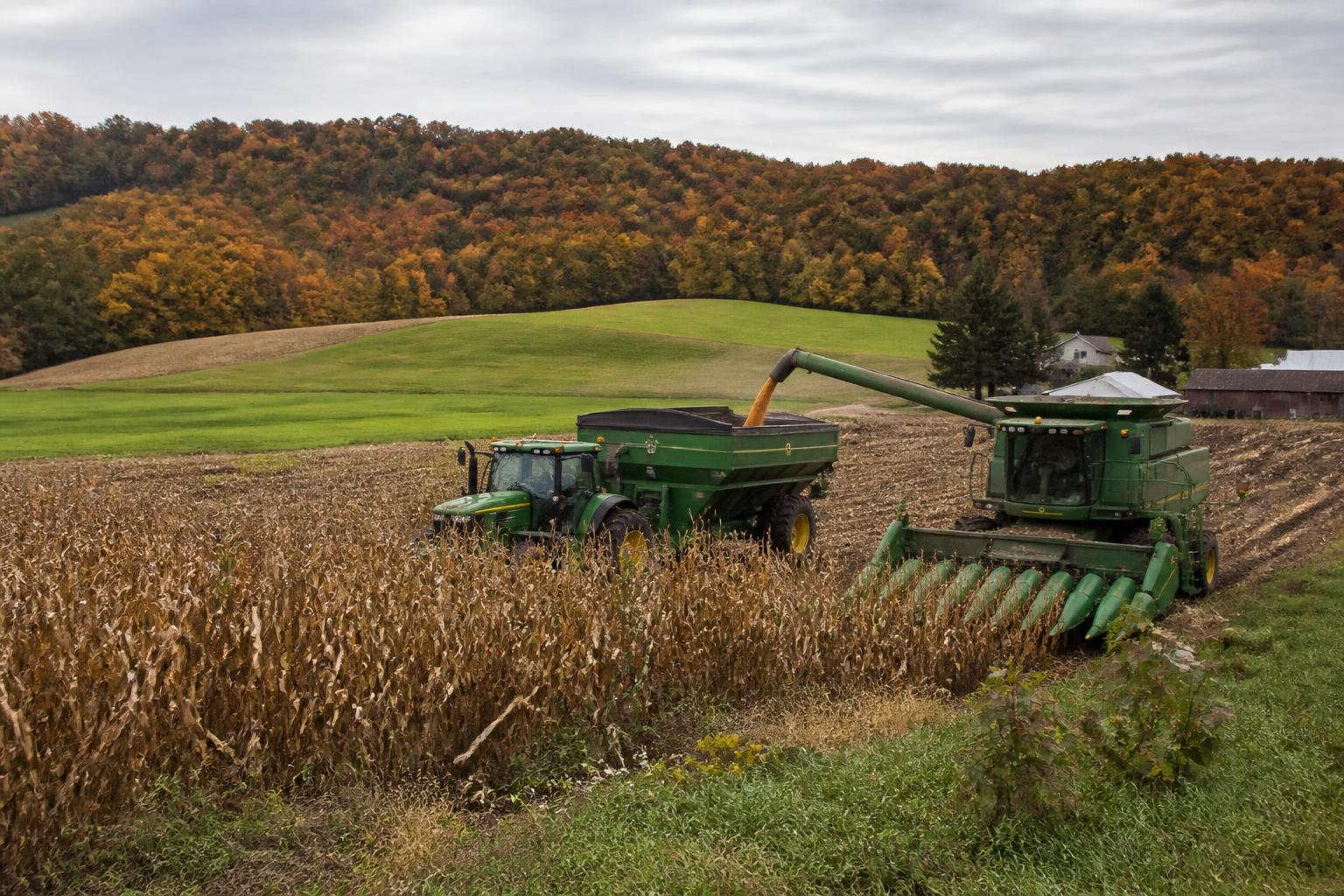
As the fall harvest season gathers momentum across Pennsylvania, growers are navigating a complex intersection of environmental pressures and shifting regulatory environments. Following a growing season marked by significant moisture challenges, local operations are prioritizing harvest efficiency to maximize yield quality before winter conditions fully set in.
For many producers, securing reliable labor remains a primary operational hurdle. Recent discussions regarding the expansion of the H-2A farm labor program reflect the ongoing national conversation about workforce sustainability. Keeping pace with these legislative changes is essential for agribusinesses relying on seasonal help to manage the logistical demands of grain movement and field operations.
Adapting to Logistical and Regulatory Shifts
The operational landscape for Pennsylvania grain markets is currently defined by the need for agility. With recent moisture-related delays impacting overall planting and growth cycles, local elevators and carriers are preparing for a compressed timeline. Efficiently coordinating the intake of grain while balancing truck availability requires proactive communication between farmers, cooperatives, and agricultural logistics partners.
Beyond labor, farmers are increasingly focused on the intersection of technology and equipment maintenance. The broader industry movement toward Right to Repair, reinforced by recent federal settlements, provides producers with more independence when addressing machinery downtime. As harvest hits its peak, having accessible repair solutions for combines and transport vehicles can mean the difference between timely delivery and costly storage bottlenecks.
Staying Informed on Market Drivers
While the focus is currently on field conditions, regional price volatility continues to influence market decision-making for Pennsylvania growers. Monitoring supply chain adjustments and shifting downstream demand is crucial for those planning their storage and marketing strategies for the remainder of the year.
What it means for the market: Pennsylvania producers are being urged to maintain a lean, flexible logistical strategy this fall. By addressing labor needs early, leveraging rights to repair equipment, and closely monitoring local elevator capacity, operations can better insulate themselves from the combined pressures of a weather-delayed season and unpredictable regulatory shifts.
Comments
No comments yet - be the first to share your take.